Dealing with Aggressive or Injured Possums: What Melbourne Residents Need to Know
Imagine stepping into your backyard at night, only to be met with the piercing hiss of an angry possum perched on your fence. Or worse—spotting a motionless possum on the roadside, unsure if it’s alive or in distress. Encounters like these are more common than you think, but do you know what to do when faced with an aggressive or injured possum?
Possums are iconic Australian natives, yet their survival in urban environments is fraught with challenges. Injuries from cars, attacks from domestic pets, and territorial disputes often leave them hurt, frightened, and unpredictable. But here’s the thing: possums are protected by law, and mishandling them can land you in serious trouble. Under Victoria’s Wildlife Act 1975, harming or relocating a possum without a permit can result in fines of up to $9,246 or imprisonment in serious cases. Even attempting to trap one without a licence can carry hefty penalties. Understanding these laws isn’t just about avoiding fines—it’s about ensuring humane treatment for these native creatures. So, before you take matters into your own hands, let’s explore the right way to handle these tricky situations.
Understanding Possum Behaviour: Why Are They Acting This Way?
When Possums Turn Hostile
Despite their fluffy appearance, possums can be fiercely territorial creatures. They don’t attack without reason—there’s always a trigger. Understanding their behaviour can help you respond safely:
- Territorial battles: Your home might be the battleground for a possum turf war, where hissing, growling, and even physical fights break out.
- Fear response: If a possum feels cornered or threatened, expect a dramatic display—bared teeth, lunging, and screeching.
- Defensive mothers: Mother possums will do whatever it takes to protect their young, which means standing their ground if they feel you’re a threat.
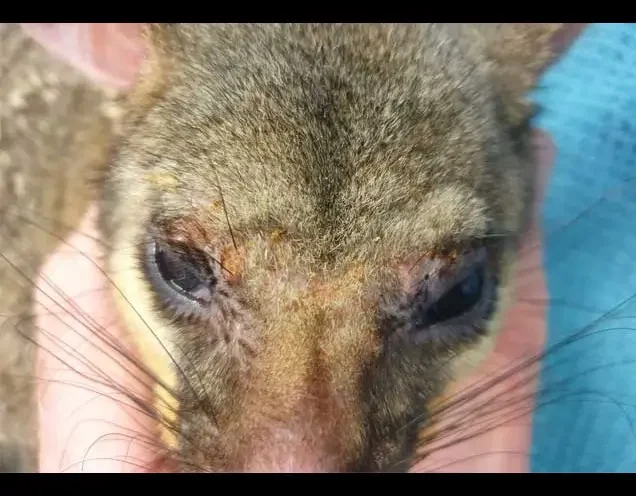
- Pain-induced aggression: An injured possum is unpredictable, lashing out in confusion and distress.
The Hidden Dangers of Injured Possums
A possum lying still in your yard or on the road isn’t necessarily dead. It could be suffering from:
- Head trauma from a vehicle collision
- Deep wounds from dog or cat attacks
- Broken bones from a nasty fall
- Deadly infections or poisoning
If you assume it will “just recover on its own,” you could be leaving an animal to suffer a slow, painful death. Unlike domestic animals, possums lack access to medical care and cannot heal effectively from severe injuries. Infections can spread rapidly, and a wounded possum may become easy prey for predators. Without intervention, survival chances are slim. So, what should you do?
What to Do If You Find an Injured Possum
The Right Way to Help
- Assess from a distance – Observe for movement, breathing, or signs of life without getting too close.
- Contain it safely (if possible) – If the possum is alive but immobile, place a ventilated box nearby, line it with a soft cloth, and gently encourage it inside using a towel or cardboard.
- Keep it warm and quiet – Stress can kill an injured possum. Place the box in a dark, quiet spot until help arrives.
- Call the experts – Contact 1800 Possums or Wildlife Victoria (03 8400 7300) immediately. Only licenced professionals can legally handle and rehabilitate possums.
What You Should NEVER Do
- Do not attempt to feed it – The wrong food can worsen its condition.
- Do not relocate it – It’s illegal in Victoria to move a possum more than 50 metres from where it was found.
- Do not try DIY first aid – Without proper training, you could do more harm than good.
Dealing with Aggressive Possums: How to Keep the Peace
What If a Possum Won’t Leave You Alone?
If a possum is becoming a nuisance, it’s likely because your home is offering an easy meal or a cozy shelter. Possums are remarkably adaptable to urban environments, thriving in backyards, roof cavities, and even city parks. With their ability to climb, forage, and nest in artificial structures, they become persistent visitors if food and shelter are readily available. Instead of resorting to drastic (and illegal) measures, try these humane solutions:
- Remove food sources – Possums love fruit scraps, pet food, and open compost bins. Secure them!
- Install motion-activated deterrents – Bright lights and sprinklers can startle possums away.
- Use scent repellents – Natural deterrents like vinegar, garlic, and citrus peels can discourage possums from returning.
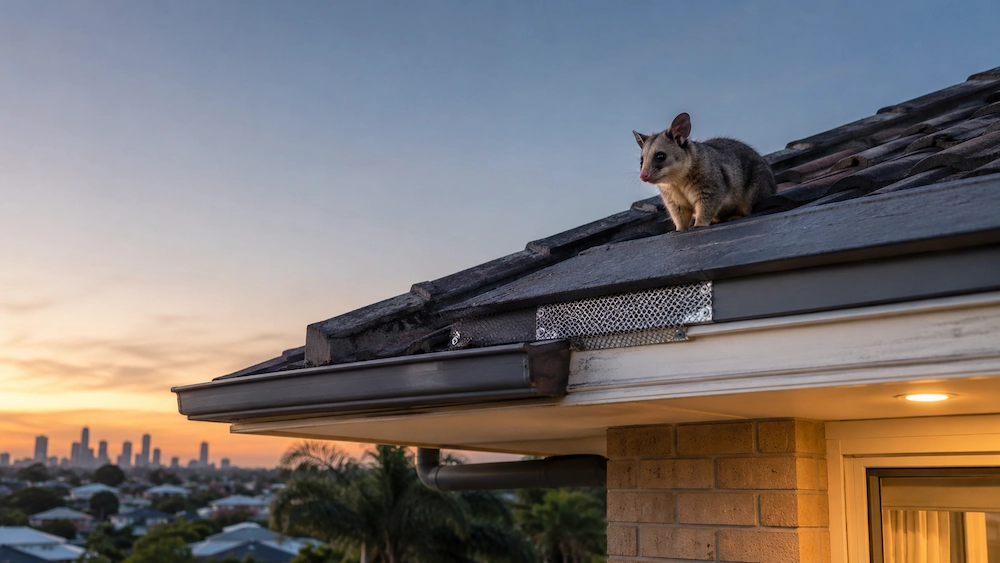
- Block entry points – Seal off roof gaps and install possum-proof barriers.
The Important Role of Possums in the Ecosystem
Possums do more than just scurry across rooftops—they play a vital role in the ecosystem. As natural pest controllers, they help keep insect populations in check, and as seed dispersers, they contribute to the growth of native vegetation. Their presence in urban areas is a sign of a healthy environment, making their protection even more important.
Legal Protections: Think Before You Act
The Law Is on the Possum’s Side
Under Victoria’s Wildlife Act 1975, possums are legally protected. This means:
- You cannot trap possums, kill, or relocate them without a permit.
- If caught mistreating a possum, you could face heavy fines or legal action.
- Only licenced wildlife handlers are allowed to relocate possums (and only within 50 metres of their capture site).
The bottom line? Respecting possums isn’t just ethical—it’s the law.
How to Possum-Proof Your Home
Want to avoid future possum confrontations? Here’s how:
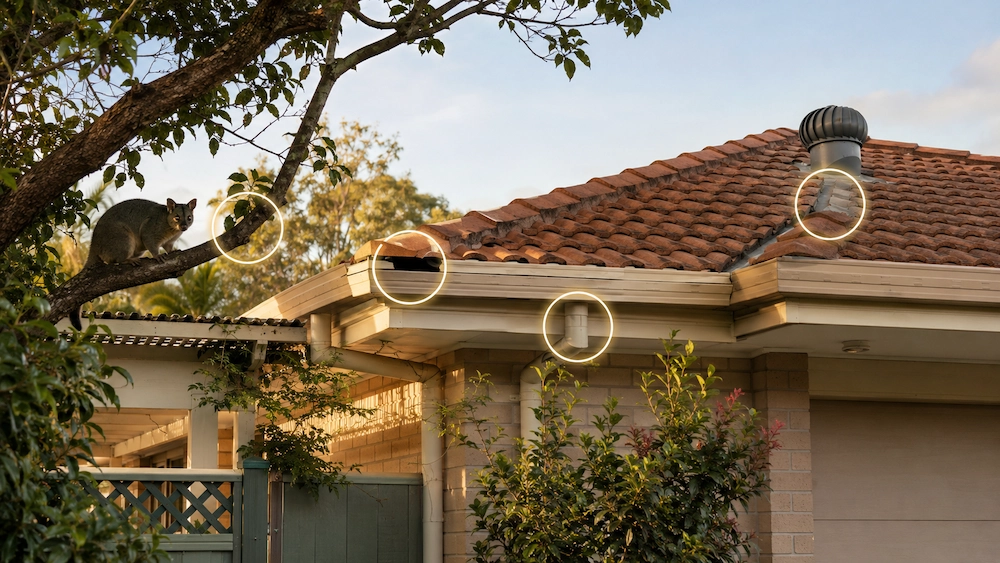
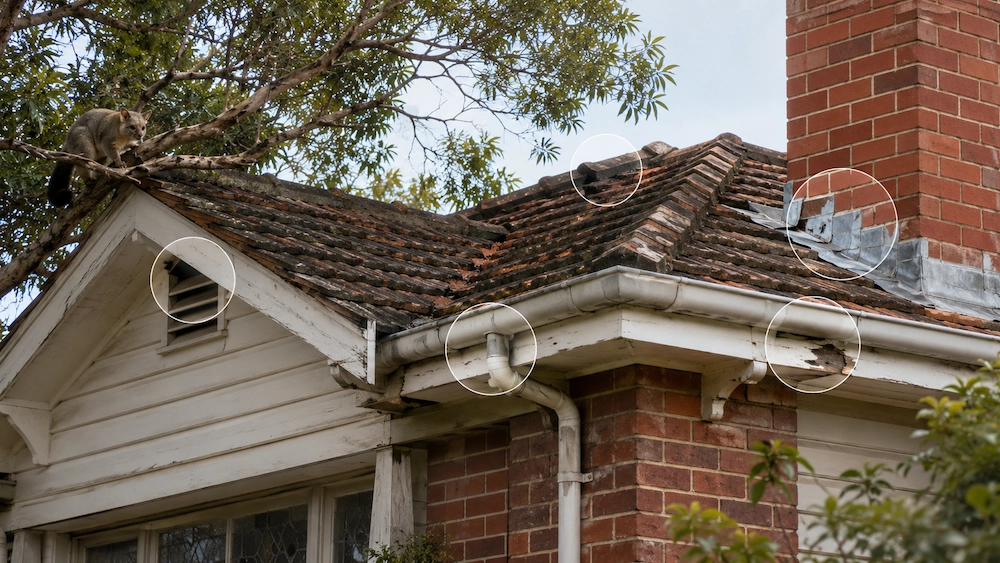
- Secure your home – Check for gaps in eaves, vents, and roofs where possums could nest.
- Provide a possum box – Give them an alternative home by placing a possum box in a nearby tree.
- Keep trees trimmed – Overhanging branches give possums easy access to your roof.
- Use humane deterrents – Motion sensors and scent repellents work wonders.
When in Doubt, Call the Pros
While possums can sometimes be a nuisance, they are an essential part of Melbourne’s wildlife. Trying to remove or manage them on your own can lead to legal trouble, unnecessary stress, or even harm to the animal. That’s why professional help is always the safest and most effective solution.
By calling 1800 Possums, you ensure that any possum-related issue is handled legally, ethically, and with expert care. Don’t wait for a minor issue to escalate—contact us today for a humane solution! Possums aren’t pests—they’re a vital part of Australia’s wildlife. If you encounter an injured or aggressive possum, act responsibly. For urgent possum removal or humane removal, 1800 Possums is your trusted expert.
Call 1800 Possums today or visit us for expert assistance. Let’s protect our wildlife and find solutions that work for everyone!
Latest Articles