Possum Removal Brisbane: Your Roof Might Be the Real Problem
TLDR: Possums on the roof are usually a sign of easy access rather than a one-off problem. Removing the animal without fixing entry points often leads to repeat visits. A proper solution focuses on safe removal, identifying how the possum got in, and sealing the roof to prevent it from returning.
Key Takeaways:
- Roof access points are the main reason possums enter homes, not random behaviour
- Blocking gaps too early can trap possums and cause bigger issues
- Temporary fixes often fail due to weak materials or missed entry points
- Long-term results come from combining safe removal with proper roof proofing
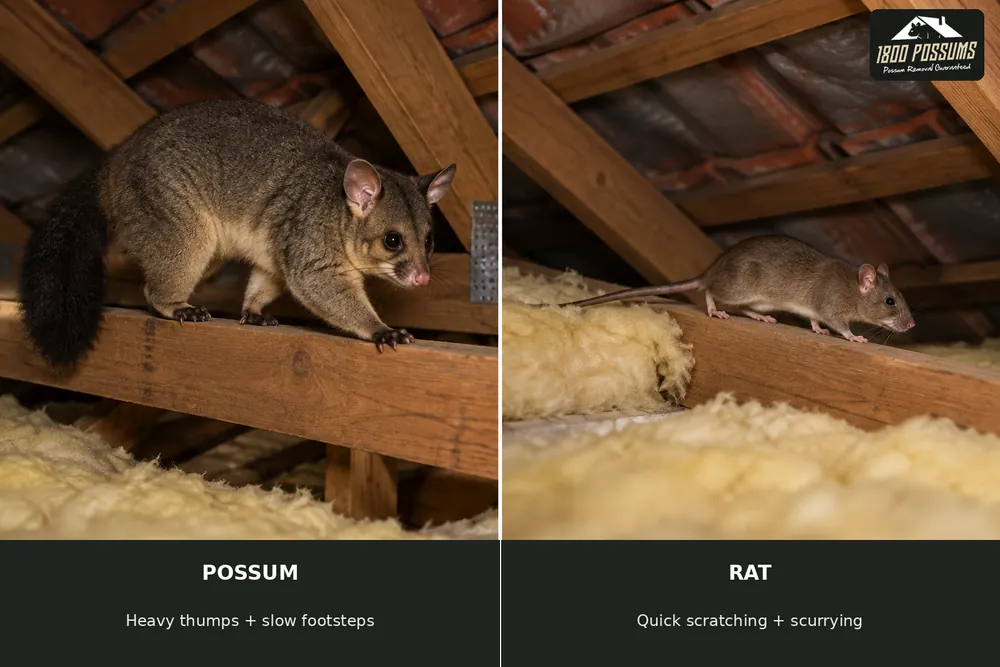
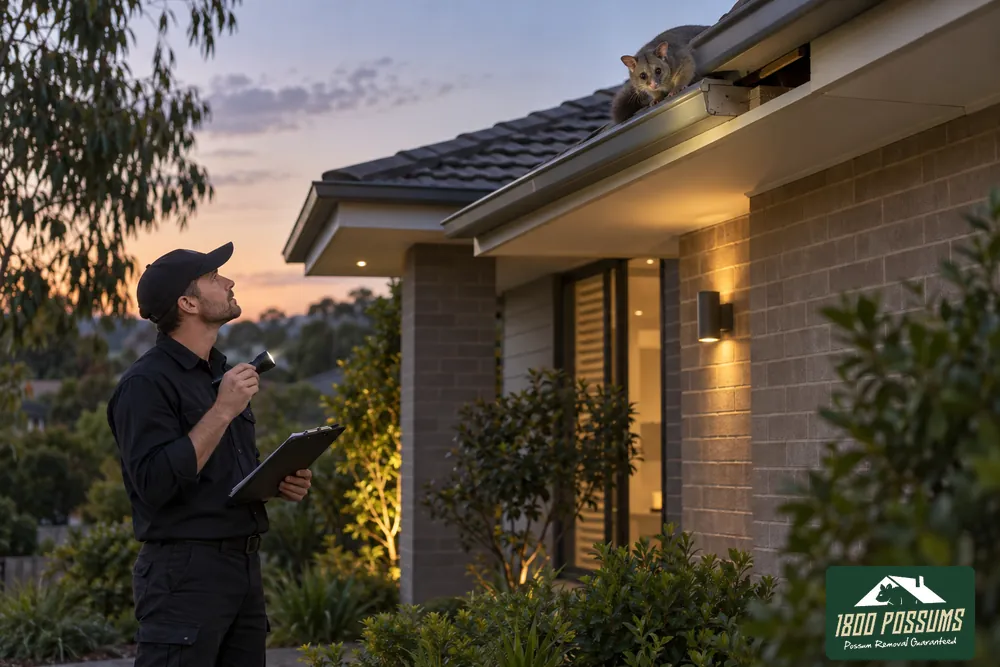
A possum on the roof can make a Brisbane home feel busy long after everyone has gone to bed. Scratching, thumping, and movement near the ceiling often repeat nightly once a possum finds a safe entry point.
That is why the possum removal of Brisbane searches often leads to a bigger issue than expected. The real concern is not just removing the possum but finding how it entered and stopping it from returning again.
Your Roof Is Easier to Access Than You Think
Warm Nights, Louder Roofs
Brisbane’s warm nights make possum activity more noticeable, especially when homes are quiet, and ceiling noises carry further than expected. Open windows and lighter sleep mean scratching, thumping, and movement from roof spaces become harder to ignore.
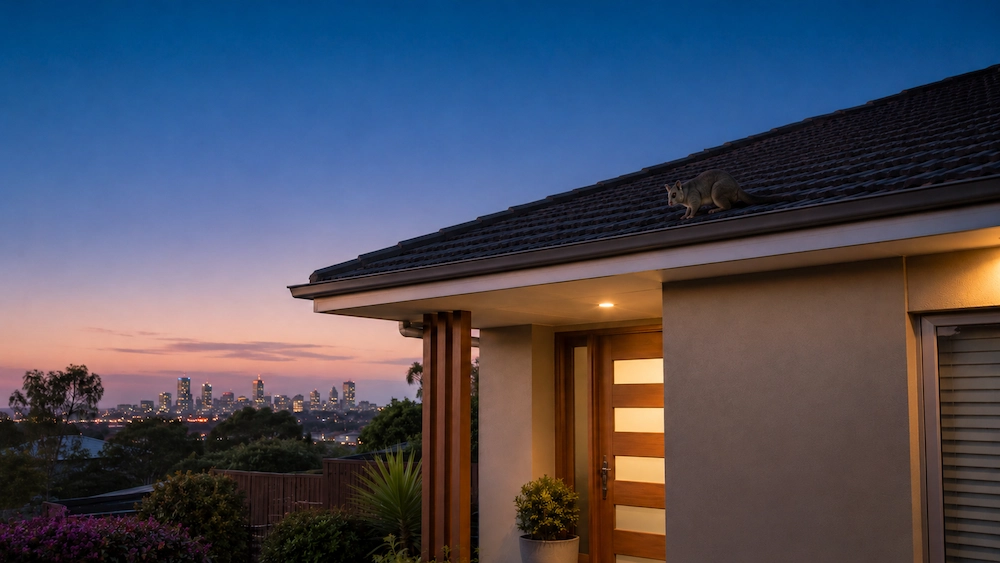
Roof spaces offer shelter, darkness, height, and safety, making them ideal daytime dens for possums. In leafy Brisbane suburbs, nearby trees, fences, and structures create easy paths to roofs, turning small gaps into reliable entry points they return to regularly.
It’s Not Just the Roof
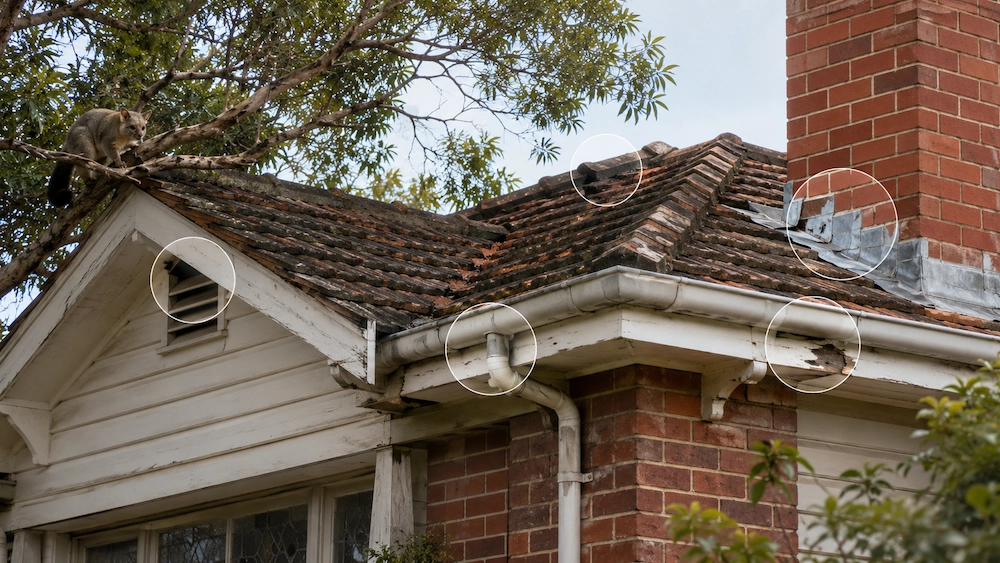
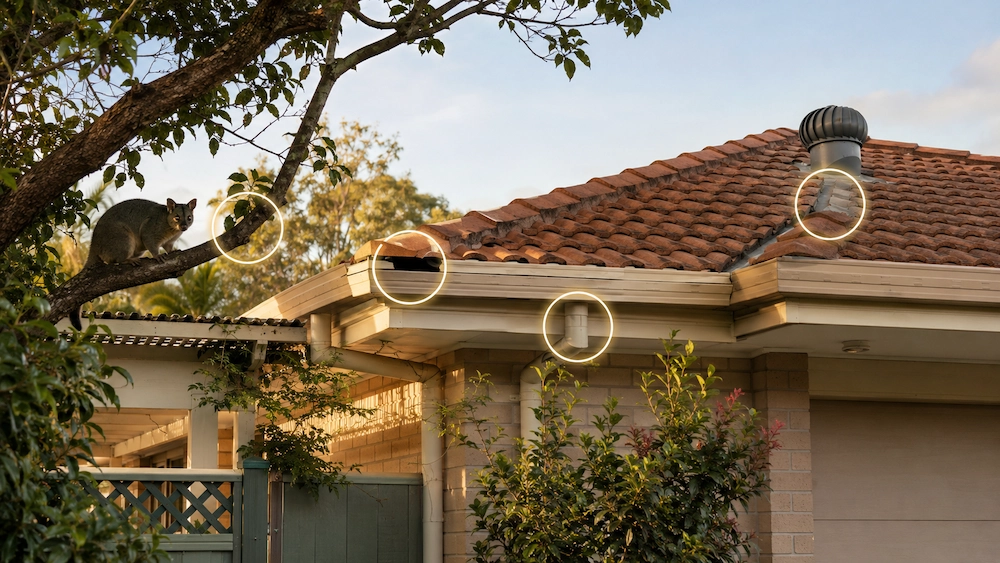
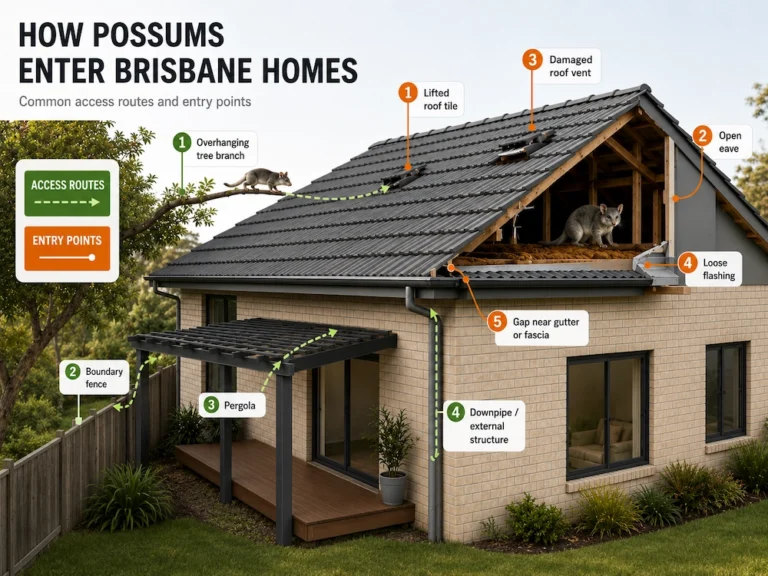
Homeowners often focus on ceiling noise, but the real issue usually begins outside where small gaps allow access. A lifted tile, loose flashing, broken vent, or open eave can provide enough space for a possum to enter and settle.
Quick fixes often fail because homeowners may block one visible hole yet miss others, allowing possums to return the next night. Weak materials or poor sealing can also reopen gaps, so proper proofing requires inspecting the entire roofline, not just the noisiest area.
How Possums Get In
Easy Climbing Routes
Possums are skilled climbers that use nearby trees, fences, pergolas, and structures to reach roofs with ease. Once there, they only need a small gap around tiles, vents, gutters, or eaves to gain entry and settle inside.
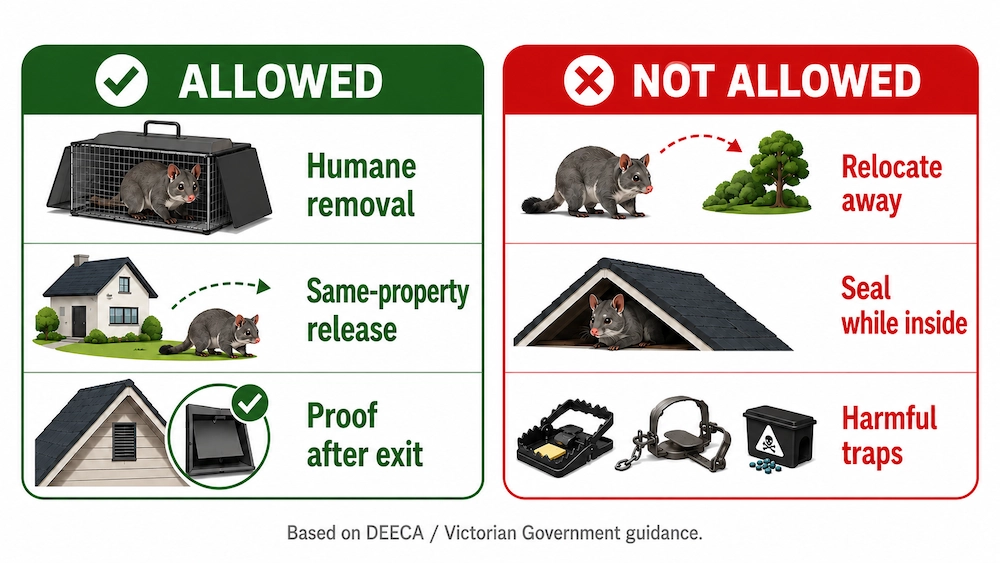
RSPCA advises pruning branches that give possums roof access and ensuring no animals remain inside before sealing entry points. Blocking access too early can trap possums, leading to distress, damage, or odour issues within hard-to-reach roof spaces.
Small Gaps, Big Problem
Roof possums are persistent and often return to the same entry point once they have used them. Old access areas can carry scent marks that encourage repeated entry if gaps are not properly sealed.
Many DIY fixes fail because weak materials like foam or loose mesh can be pushed aside, while proper repairs must match the roof type and seal entry points securely to prevent repeat access.
Getting Them Out Isn’t Enough
Open Roof, Open Door
The most common mistake is treating the possum as the whole problem, when it is usually a sign of an easy roof entry point. If that access remains open, the same possum or another will likely return, making removal alone ineffective.
Queensland guidance notes relocated possums must stay nearby and may be replaced if entry points remain open. Without proper roof repairs, removal alone fails to secure the home and prevent repeat access.
Seal Too Soon, Big Trouble
Sealing a roof gap too early can trap a possum inside, creating serious problems for both the animal and the home. Consider not sealing the roof too early or possums could cause these:
- frantic noise
- damage
- stains
- odour
- distress
Safe Exit, No Return
Let Them Out Safely
Humane possum removal focuses on guiding possums out safely without harm while addressing the real issue of roof access. A proper approach avoids trapping or panic and ensures the animal leaves naturally before sealing entry points.
- entry points and access gaps
- travel routes and movement patterns
- nesting signs and shelter areas
- droppings and scent markers
- roof damage and loose materials
- nearby climbing paths and access routes
One-Way Out
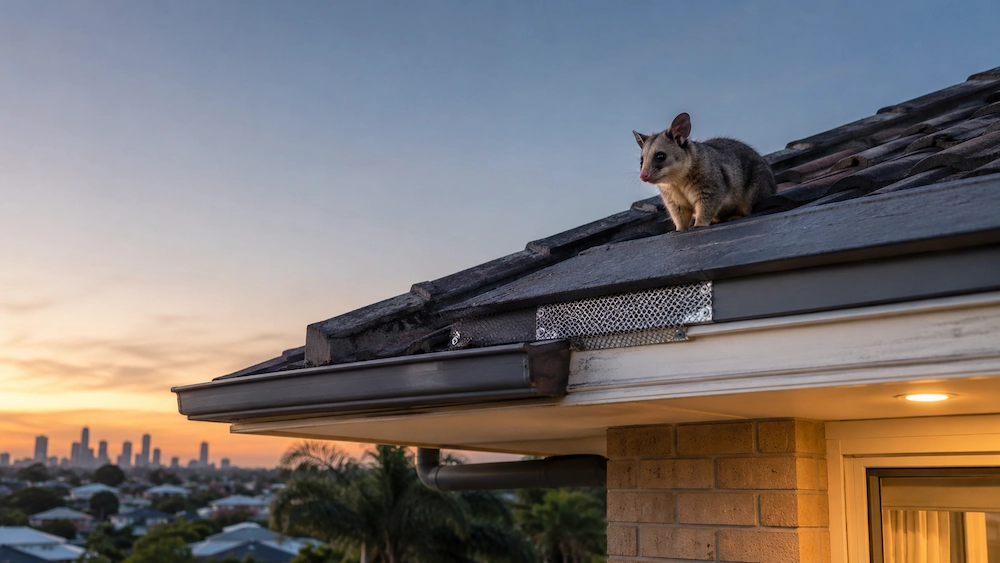
A one-way exit system lets possums leave during normal nightly activity while blocking re-entry through the same opening. It works with their routine and allows safe removal before sealing the roof properly.
This approach ensures the possum exits naturally while preventing re-entry through the same gap. It is especially effective for active entry points and helps turn removal into a controlled, reliable proofing solution.
Spot the Signs Early
Noise Is Just the Start
Night noises like scratching, thumping, and movement often signal possum activity, especially when they follow a consistent pattern that points to a regular entry point. These sounds may occur near eaves, vents, or roof edges as possums enter and exit.
- droppings or stains
- unusual smells
- disturbed insulation
- damaged vents or gaps
- sleep disruption complaints
- repeated roof movement reports
Deterrents Don’t Cut It
Lights, smells, sprays, and noise devices may offer short-term relief, but they fail when roof access remains open and unsealed. Possums will continue returning to the same sheltered space because the entry point still provides reliable access.
Without proper roof proofing, deterrents only delay the problem instead of solving it at the source. A possum that has already claimed a roof space will ignore discomfort if the shelter remains accessible and undisturbed.
Quick Fixes, Repeat Problems
Brisbane homes face heat, storms, and roof movement, so small openings can shift quickly and become larger access points over time. A patch that seems secure may loosen after weather changes, allowing possums to return through the same gap.
Temporary repairs often ignore nearby weak spots, climbing paths, and structural movement that can reopen sealed areas. Proper proofing requires checking the entire roofline to prevent repeat entry and ensure long-term protection against possum access.
Why 1800 Possums Fits
1800 Possums focuses on humane removal and proper roof proofing. For possum removal in Brisbane, we use one-way doors, careful inspections, and durable sealing to help possums leave safely and prevent them from getting back in.
Our Brisbane service also includes licensed technicians, safe roof work, and clear before-and-after results. This approach suits homeowners, landlords, and property managers who want a reliable fix without repeat callouts or uncertainty.
Stop the Possum Noise Early
If you are hearing scratching, thumping, or movement in your ceiling, do not wait until the noise becomes part of your night routine. A possum problem is usually easier to manage before roof damage spreads, before tenants become frustrated, or before a temporary patch turns into a repeat entry point.
Latest Articles