Do Those DIY Possum Deterrents Like Mothballs or Bright Lights Actually Work?
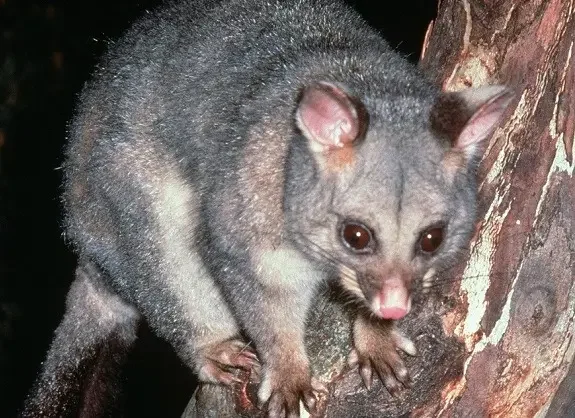
TL;DR: DIY possum deterrents such as mothballs, bright lights, or loud noises might seem like quick and cheap fixes, but they rarely keep possums away for good. These clever animals adapt quickly, and unless you address the real reasons they’re around, such as food, shelter, or access, they’ll find a way to stick around.
Key Takeaways:
- Possums quickly adapt to most DIY deterrents, making them ineffective long-term.
- Removing food, water, and shelter sources is key to preventing repeat visits.
- Mothballs and other chemical solutions can be unsafe for pets, people, and the environment.
- Professional, humane removal and prevention methods are often the safest and most effective choice.
The DIY Possum Problem Everyone Talks About
If you’ve ever had a possum clattering on your roof in the middle of the night or nibbling away at your garden, chances are you’ve been told about a few so-called miracle fixes.
Neighbours, friends, and online forums are full of ideas, from scattering mothballs to setting up bright floodlights in the backyard.
These tips sound simple enough and promise a quick solution, but it’s worth asking whether they actually deliver on that promise.
Are they clever tricks that keep possums at bay, or are they more like myths that have been passed along without much proof?
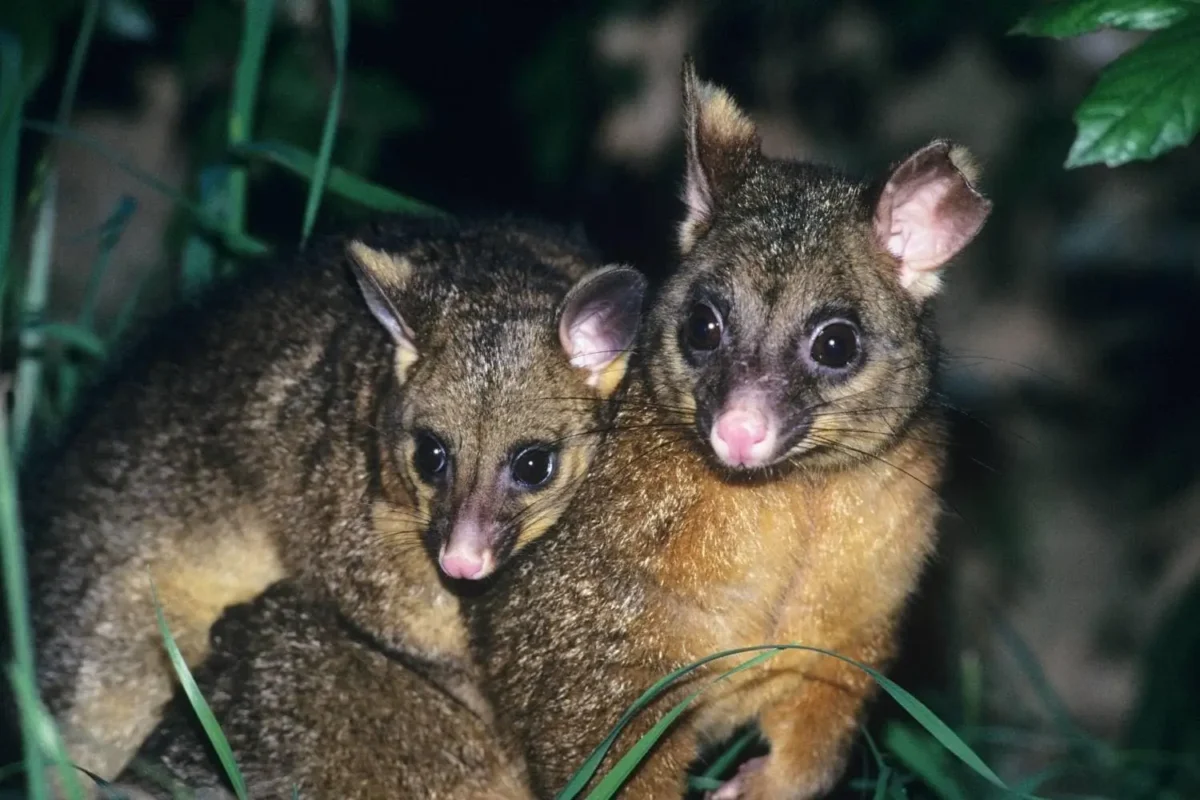
Why People Turn to DIY Possum Deterrents
It’s easy to see the appeal of a do-it-yourself approach. A few mothballs here, a motion light there, and problem solved, right?
They’re cheap, quick to set up, and seem harmless enough.
People often turn to these methods for a few understandable reasons:
- They are budget-friendly and can be set up with minimal effort.
- They give homeowners a sense of immediate action without having to call in outside help.
- DIY options feel less intrusive than having strangers inspect and work on your home.
- Many people hope these methods will provide a simple fix before resorting to professional services.
The trouble is, these methods often don’t work for at least two big reasons:
- Most DIY fixes do not address the main attraction such as food, shelter, or easy access, which means the possums have every reason to stay.
- Possums are highly adaptable and will quickly get used to new sights, sounds, or smells if they realise there is no real danger.
Mothballs: The Smelly Solution That’s Not So Safe
How Mothballs Are Supposed to Work
Mothballs give off a sharp, lingering odour from chemicals such as naphthalene or paradichlorobenzene, the same smell many people remember from old wardrobes or storage boxes.
The idea is that this strong scent will be unpleasant enough to make possums turn around and head elsewhere, as if they were avoiding a predator or an unsafe spot.
Why They Usually Fail
Possums can get used to smells surprisingly fast, especially when there is an easy meal or a warm spot to sleep close by. This means the initial shock value of mothballs doesn’t last long.
On top of that, the chemicals in mothballs are harmful to pets, children, and the environment, making them a risky choice.
In Australia, using mothballs outside is strongly discouraged and, in some cases, could even put you on the wrong side of local regulations.
Bright Lights: Too Simple to Fool a Possum
The Idea Behind It
Possums are nocturnal, so flooding an area with light is meant to unsettle them enough to move on.
The glare interrupts their natural night-time rhythm and can make them feel vulnerable, almost like they have been caught out in the open where predators could easily spot them.
For a creature that relies on darkness for safety and cover, this sudden change can be unnerving, even if it is only for a short while.
It can throw off their sense of security and make them more cautious about returning to that spot.
The Reality
Bright lights might make a possum hesitate for a moment, but it doesn’t take long for them to figure out the glow isn’t actually dangerous.
They quickly adapt, treating it as just another part of the environment.
Often, they’ll simply relocate to a darker, quieter part of your roof space or yard where the light doesn’t reach.
It’s also worth remembering that these lights can unsettle other native animals and may end up being more of a headache for you and your neighbours than for the possums.
Other Popular DIY Tricks (And Why They’re Hit or Miss)
- Loud noises: Radios, ultrasonic devices, or banging pots can give possums a fright and send them running at first. The problem is they soon realise there’s no real danger and go back to their old habits.
- Strong smells: Garlic sprays, chilli flakes, and vinegar-based solutions can put them off for a little while. However, the effect fades quickly and you’ll find yourself having to reapply these smells often to keep them away.
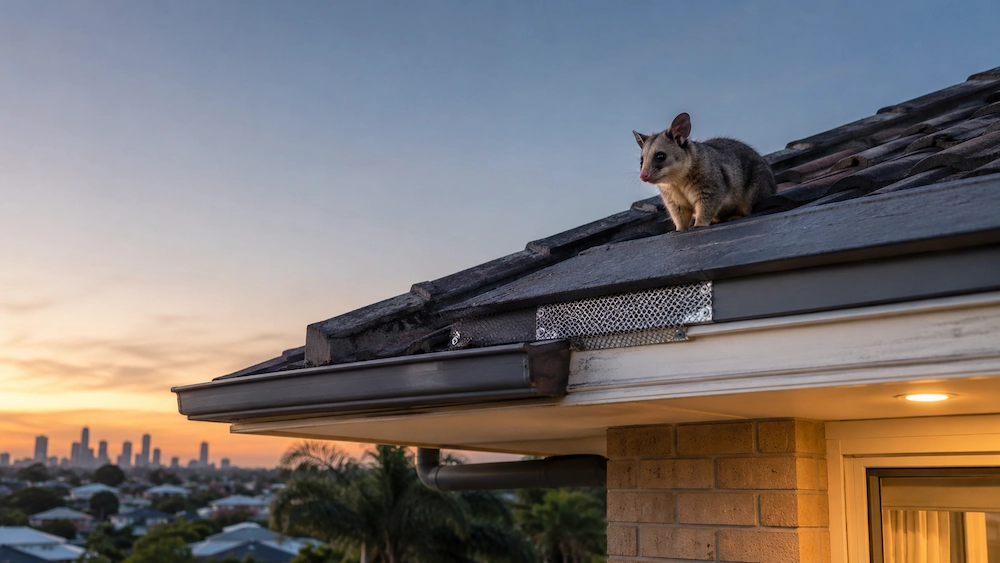
- Chicken wire barriers: These can be a strong physical deterrent if fitted properly. Gaps, loose sections, or poor installation make them easy for a determined possum to get past, so regular checks and maintenance are importan
If you’d like to explore more practical advice and find out which methods stand up to the test, have a look at our detailed guide to effective possum deterrents.
You can read it here in our in-depth possum deterrents guide, where we break down what really works and why.
The Problem with Quick Fixes
Possums are protected under Australian law, so you can’t remove them without following proper steps. DIY possum deterrents effectiveness
DIY fixes often fail because they ignore the real reasons possums visit your property, like easy access to food, water, or shelter.
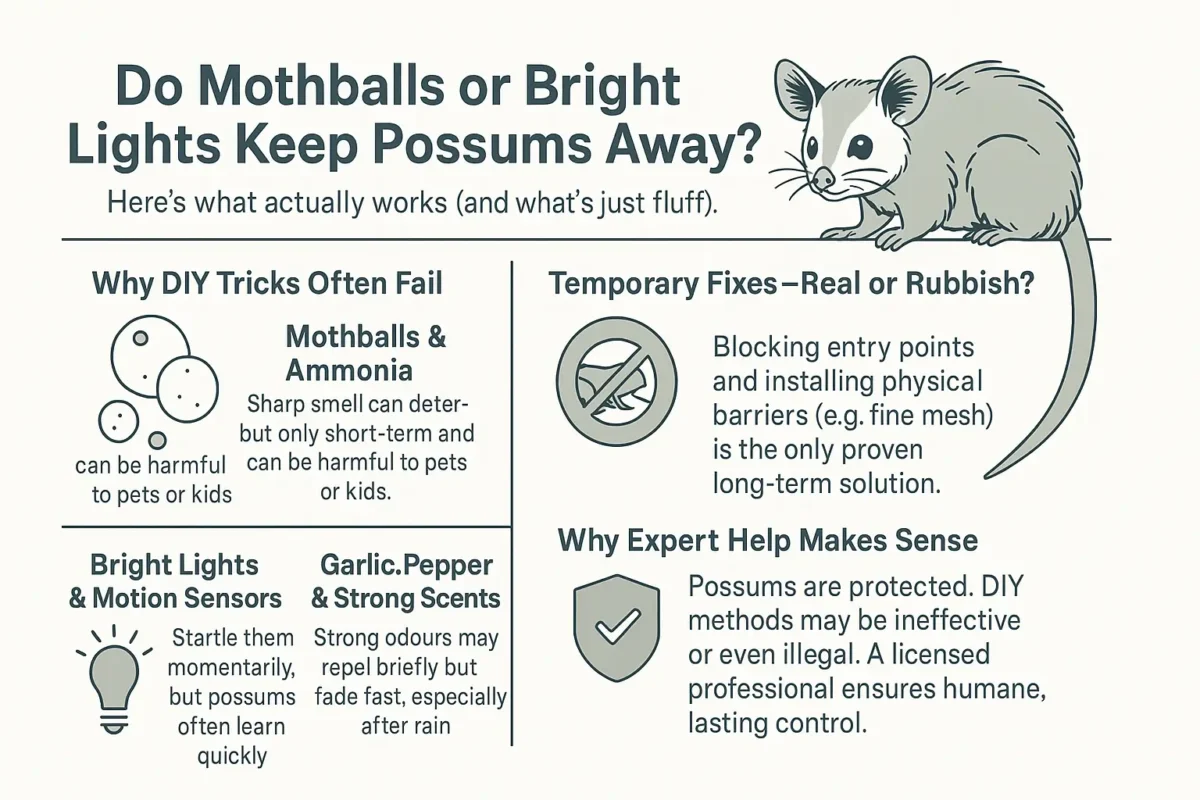
Mothballs, bright lights, and similar tricks might give you a brief break from possum activity, but they rarely solve the issue for good.
Real, lasting results come from dealing with the reasons possums are showing up in the first place and using proven, reliable methods to keep them away.
For more insight on humane removal options and why bringing in experts can make all the difference, check out our guide to humane possum removal.
What Actually Works: A Long-Term Approach
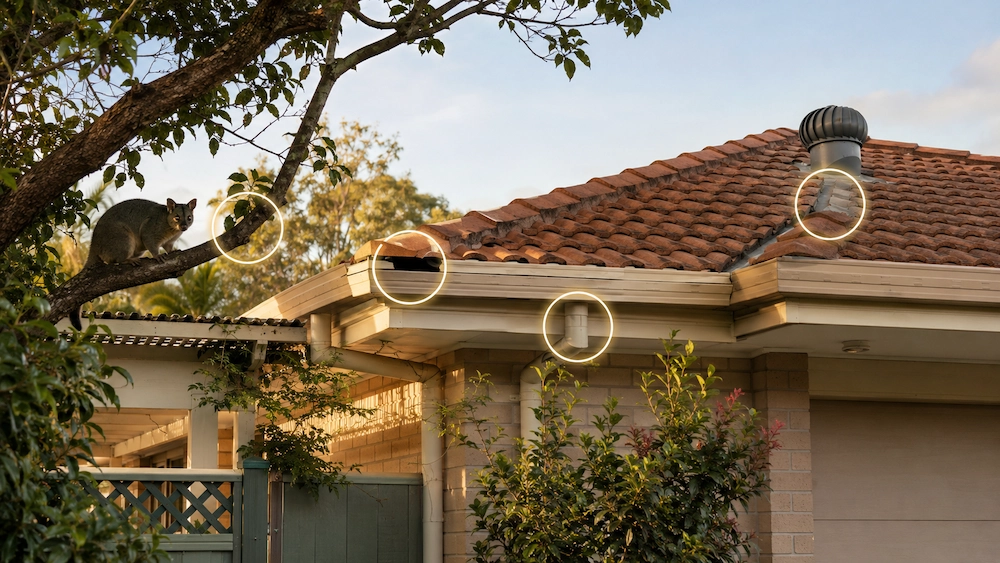
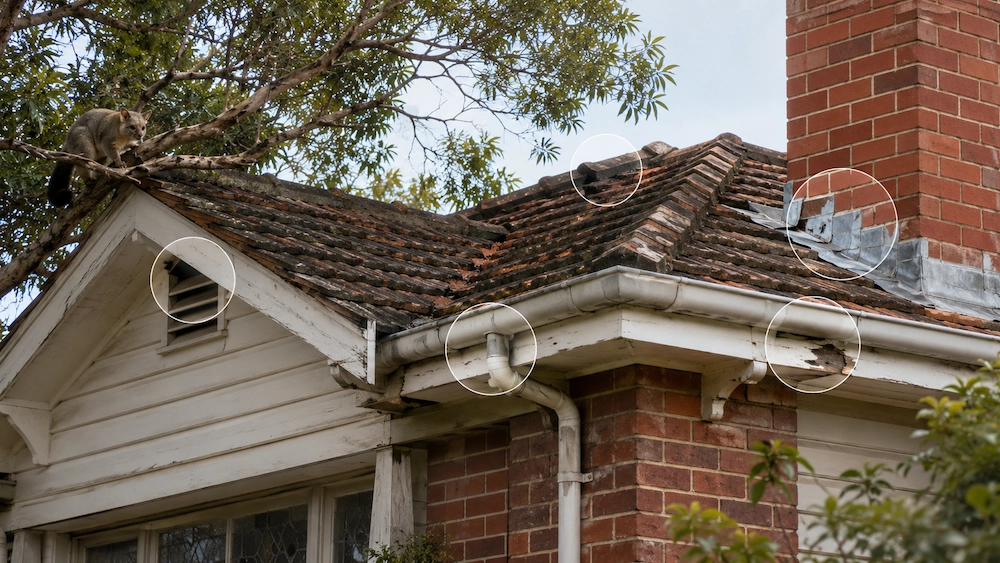
- Identify and seal any possible entry points so possums can’t get inside your roof or shed. This might mean repairing loose tiles, filling gaps, or securing vents.
- Remove tempting food sources such as pet food, fallen fruit, and compost, as these can draw possums back again and again.
- Trim overhanging branches that give possums an easy pathway onto your roof.
- Use professional-grade one-way doors and deterrents that let possums leave safely but prevent them from coming back.
For more eco-friendly strategies that are both humane and effective, you can check our full guide to possum-proofing your property, which covers practical steps that actually work in the long run.
Why Choose 1800 Possums
At 1800 Possums, we understand possum behaviour, and we know how to keep them away without harming them or breaking the law.
Our licensed team offers safe, humane removal and prevention services, using methods that actually work long-term.
We combine inspection, sealing, and deterrent strategies tailored to your property, so you can enjoy a possum-free home.
Ready to Stop Playing Cat and Mouse with Possums?
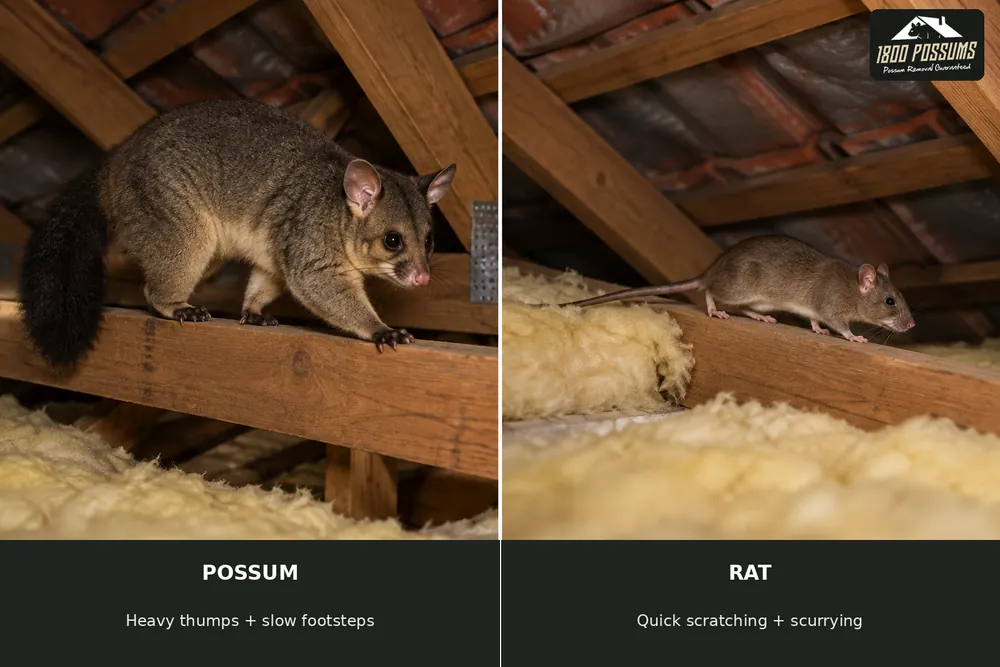
Don’t waste another night lying awake, straining to figure out where that scratching in the roof is coming from.
Those late-night noises are more than just a nuisance; they could mean a possum has set up camp right above your head.
Contact 1800 Possums today and get expert help that keeps possums away.
Latest Articles