Penalties for Illegal Possum Relocation in Australia
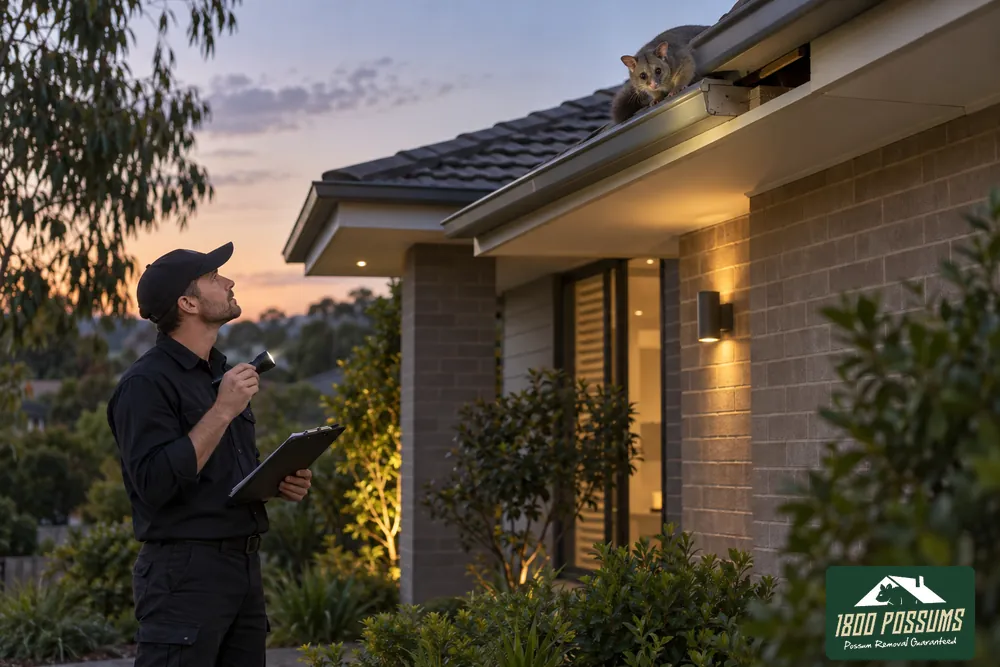
Possums are a common sight in Australian cities, particularly in Melbourne and Brisbane, where they often seek shelter in roofs, garages, and backyards. As urban areas expand, human-wildlife conflicts are becoming more frequent, leading homeowners to seek ways to remove possums from their properties. Many believe that relocating possums is a humane and simple solution. However, illegal possum relocation can result in fines exceeding $14,000 and pose serious risks to the animals and the environment.
Australian laws strictly protect possums under the Wildlife Act 1975 (Victoria) and the Nature Conservation Act 1992 (Queensland), ensuring their welfare and ecological role remain intact. Despite these protections, many people remain unaware of the severe legal consequences and ecological damage caused by relocating possums. This article will outline why relocating possums is illegal, the penalties for non-compliance, and the ethical, legal alternatives available to homeowners.
Why Relocating Possums is Illegal
Wildlife Protection Laws
Australian states have strict regulations governing the handling and relocation of possums to protect both the animals and the environment. In Victoria, the Wildlife Act 1975 prohibits the unauthorised capture and relocation of possums. Similarly, in Queensland, the Nature Conservation Act 1992 outlines specific guidelines for dealing with protected wildlife, including possums.
Other states also have similar regulations:
- New South Wales (NSW): Under the National Parks and Wildlife Act 1974, possums cannot be relocated without a license from the NSW Department of Planning and Environment.
- South Australia: Possums are protected under the National Parks and Wildlife Act 1972, and relocation without approval is illegal.
Additionally, possums are classified as protected species under Australian law, meaning they cannot be harmed, captured, or relocated without a government-issued permit. Many homeowners are unaware that even attempting to relocate a possum without authorization can lead to severe legal consequences.
Ecological and Welfare Risks
The laws exist for good reason:
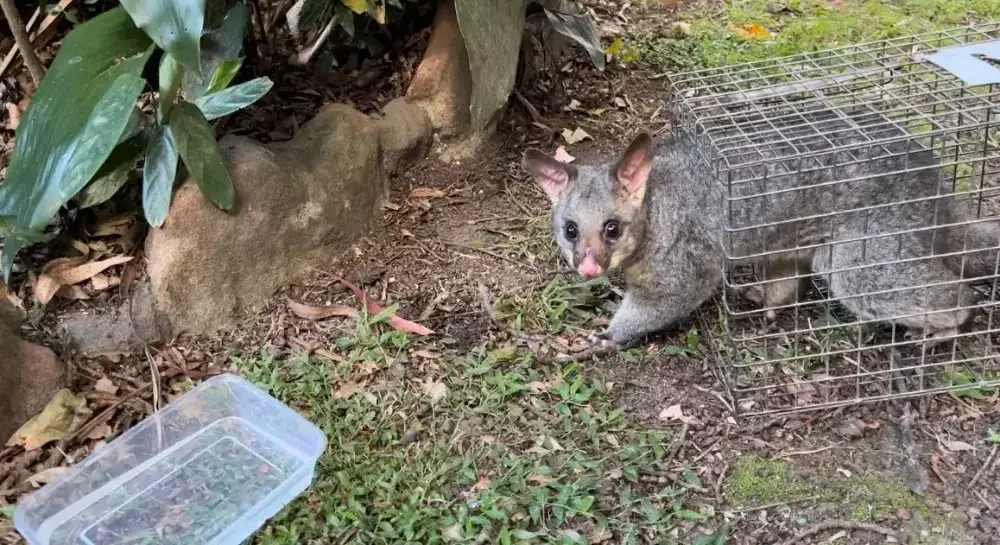
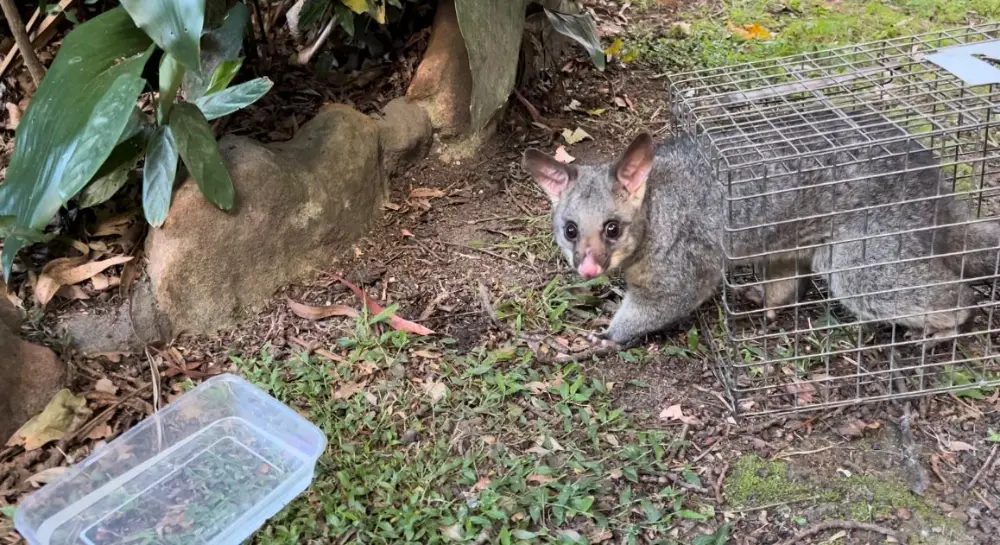
Possums are highly territorial – Relocating them to unfamiliar areas disrupts their social structure and often leads to their death due to predation, starvation, or conflict with existing possums.
Spread of disease – Moving possums from one location to another can contribute to the spread of disease among wildlife populations.
Impact on the ecosystem – Possums play a vital role in their environment, including seed dispersal and pest control. Removing them can have unintended ecological consequences.
Possum stress and suffering – Being taken from their familiar habitat causes extreme stress, which can weaken their immune system and lower their chances of survival.
Risk of returning – Relocated possums often attempt to return to their original habitat, putting them at risk of injury or death due to road accidents and predators.
Penalties for Illegal Possum Relocation
Fines and Legal Consequences
Homeowners and businesses caught relocating possums illegally can face hefty fines. In Victoria, penalties under the Wildlife Act 1975 can reach up to $9,246 for individuals and even higher for businesses. In Queensland, offences under the Nature Conservation Act 1992 can result in fines exceeding $14,000.
In other states:
NSW: Fines of up to $11,000 can be imposed for illegal possum relocation.
South Australia: Penalties can include fines exceeding $8,000 and potential legal action.
Ethical and Legal Alternatives to Possum Relocation
Possum-Proofing Your Home
Instead of relocating possums, consider humane and legal methods such as:
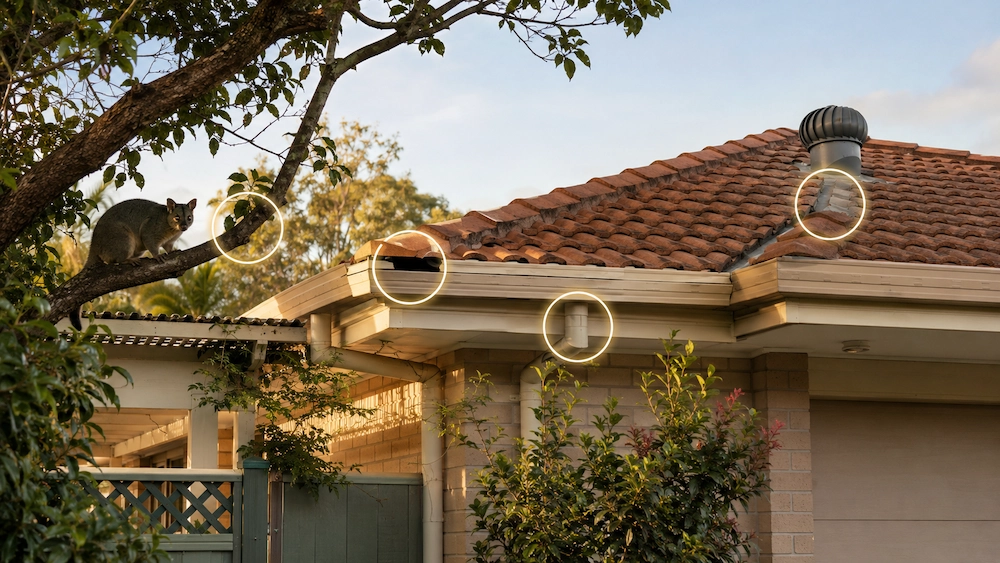
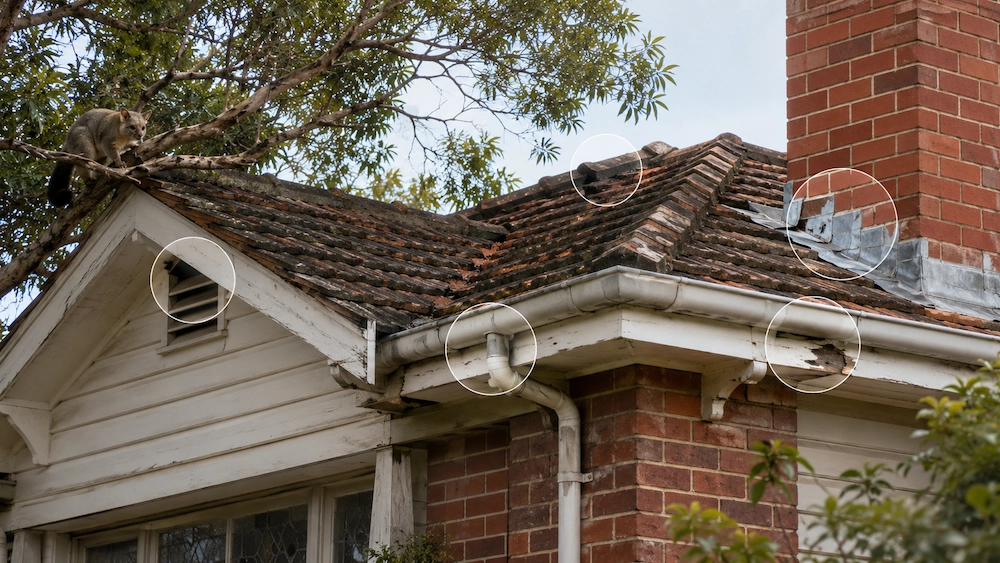
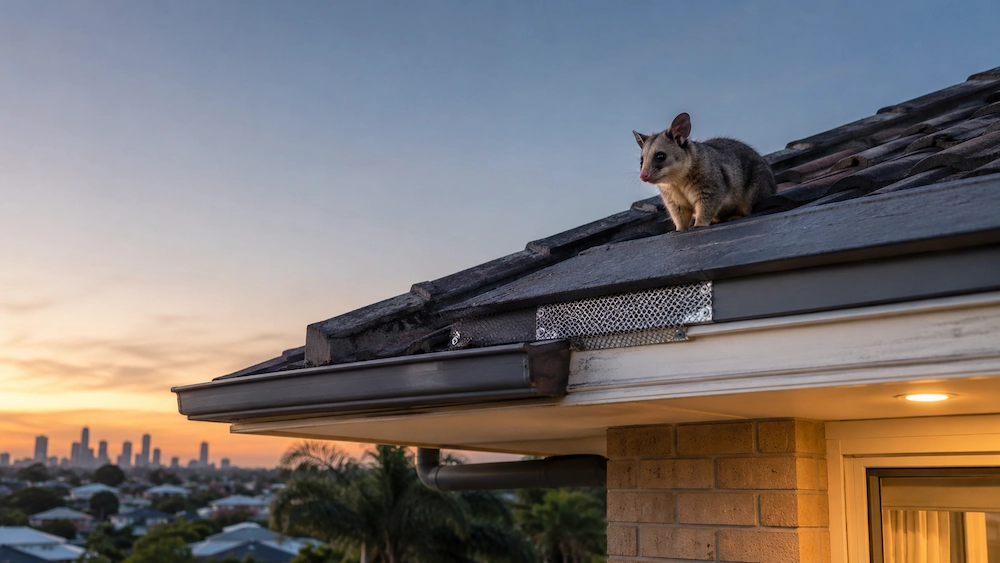
Sealing entry points – Identifying and blocking possum access to your roof and attic to prevent possums from seeking shelter inside.
Installing possum nest boxes – Providing an alternative shelter in your backyard to encourage possums to stay out of your home while still having a safe habitat.
Using natural deterrents – Bright lights, strong scents, and motion-activated devices can discourage possums from nesting in unwanted areas without the need for relocating possums.
Trimming tree branches – Possums often use overhanging branches as pathways to enter roofs. Cutting back trees can minimize their access.
Securing rubbish bins – Possums are attracted to food scraps. Ensuring bins are tightly closed can reduce their presence.
Licensed Possum Removal Services
For persistent possum issues, licensed wildlife controllers like 1800 Possums can safely and legally handle possum removal. These professionals are trained in humane possum management, ensuring compliance with Australian laws while keeping both homeowners and possums safe. If relocating possums is not an option, professional intervention ensures possum issues are managed correctly and legally.
Community Awareness and Education
Educating the public about the dangers of relocating possums is essential in preventing illegal practices. Many local councils and wildlife organizations provide resources and workshops on coexisting with native wildlife. Raising awareness about possum-proofing strategies and legal alternatives can help reduce instances of illegal relocation.
Common Myths About Possums
Myth: Possums are pests that damage property – Possums are native and play an essential role in ecosystems. While they may seek shelter in homes, humane deterrents can help prevent this.
Myth: It’s okay to relocate possums as long as it’s a safe area – Possums suffer extreme stress when removed from their territory, reducing survival chances.
Myth: Possums attack humans – Possums are generally shy creatures and avoid human contact unless they feel threatened.
Don’t risk hefty fines or endanger protected wildlife. If you’re struggling with possum problems, act now! 1800 Possums offers expert, legal, and humane solutions to manage possums effectively. Call today or visit our website to get professional help before legal consequences catch up with you. Fines are increasing—don’t wait until it’s too late!
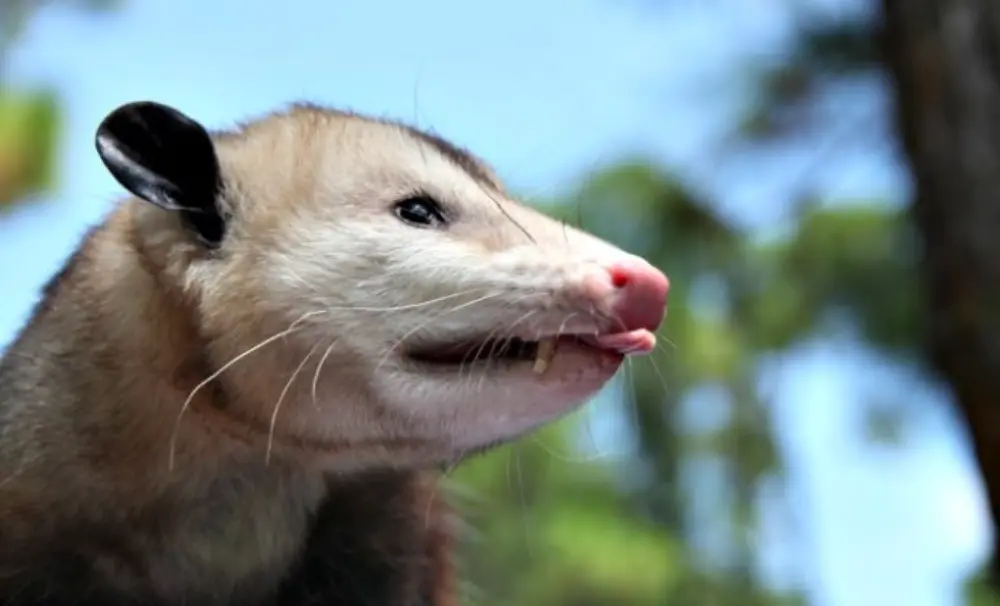
Relocating possums might seem like an easy fix, but it is illegal and carries severe penalties in Australia. Victoria and Queensland enforce strict laws to protect these native marsupials, with fines exceeding $14,000 for offenders. Instead of risking legal consequences, homeowners can adopt humane strategies such as possum-proofing, using deterrents, and working with licensed professionals like 1800 Possums.
By following the right approach, we can coexist with possums while ensuring their welfare and protecting our environment. If relocating possums is on your mind, think again—there are safer, legal, and more effective solutions available.
For expert possum management solutions, visit 1800 Possums’ website today or call now for immediate assistance!
Latest Articles