
TL;DR: Motion sensor lights can scare a possum off a path for a short time, especially in the garden, but they rarely solve a roof problem once an animal is settled in. If the noise is above the ceiling, the reliable fix is stopping access with a humane one way exit and proper sealing, because possums adapt fast to deterrents that do not remove the reward.
Key Takeaways:
If you are shopping for possum deterrent lights, you are probably sick of roof thumping, garden raids, or both. Motion sensor lights can help in a small set of situations, but they are not the magic fix people want once a possum has moved in.
Brushtail possums are nocturnal and they like secure, dry shelter, so roof spaces are a natural target. They have also adapted to urban life, which is why noise and mess in buildings is a common complaint in suburbs.
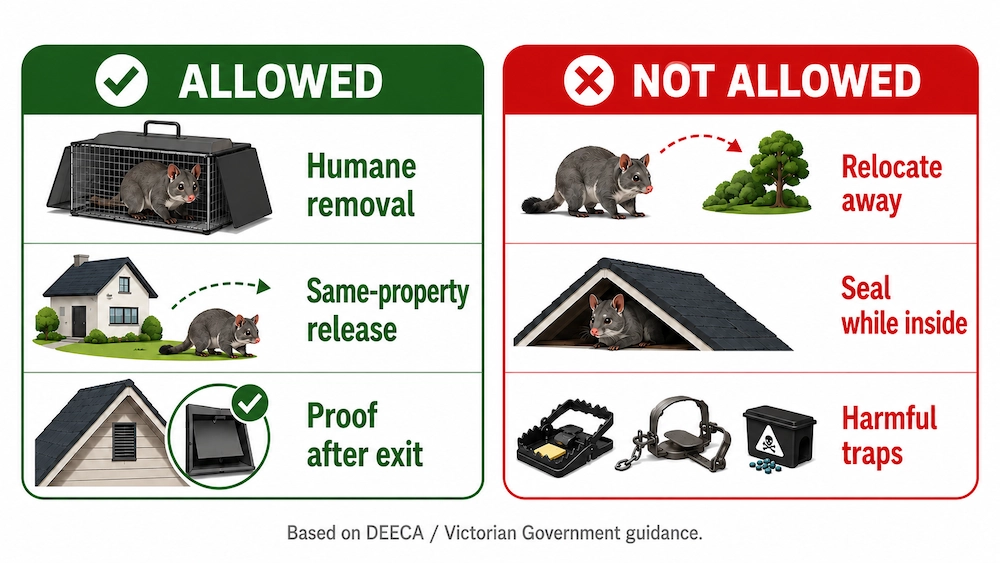
They are protected native wildlife, so the goal is humane control and prevention, not harm or relocation. That legal reality matters, because the wrong “quick fix” can turn into fines, stress, and a possum that comes back anyway.
If you want a broader look at what people try before calling in help, here is a quick guide to possum deterrents.

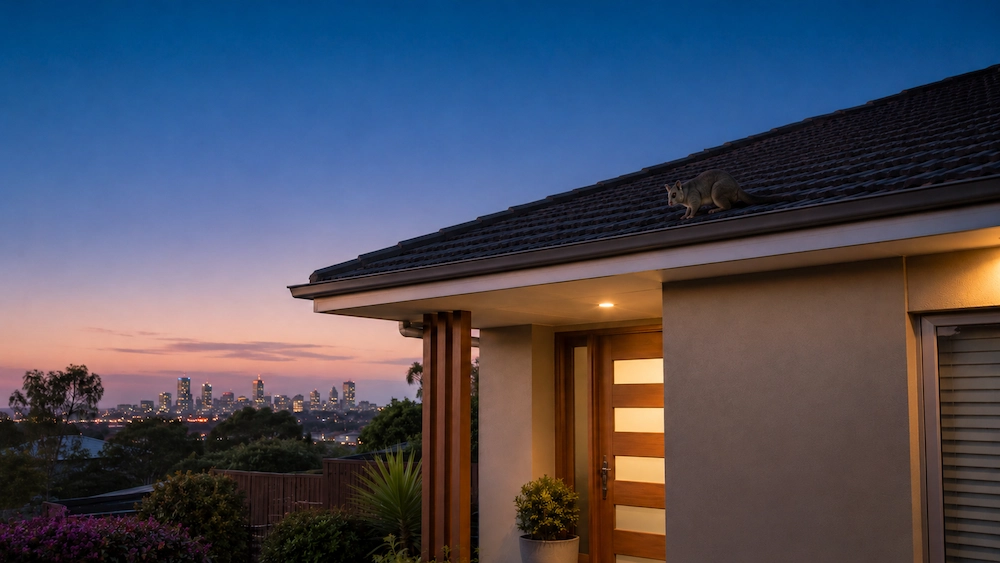
A possum passing through your yard might be spooked by a light and choose an easier path. A possum nesting above your ceiling has a stronger reward, and it will tolerate a lot to keep it.
This is the first hard truth: possum deterrent lights are better at discouraging visits than evicting residents. If the animal is already in your roof cavity, light is usually a speed bump.
Before you spend money on lights, confirm what you are dealing with, because rats usually sound like light scurrying and gnawing, while possums are more likely to hiss and thump. If it is rats, a motion light will not solve a roof issue, and if it is possums, you will get better results by stopping the entry point instead of trying to spook them.
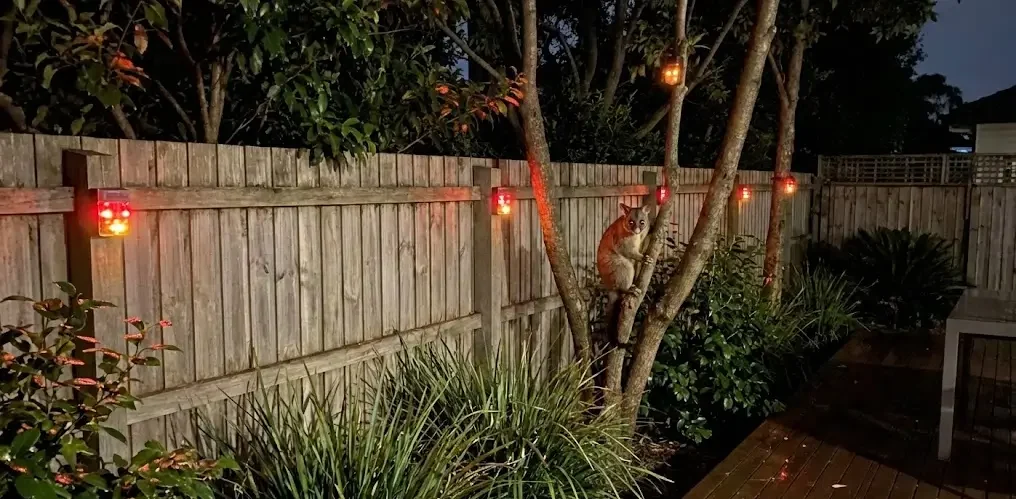
The idea is simple: sudden light removes cover and creates a startle moment. A motion sensor adds surprise, which is why it is usually more useful than leaving a floodlight on all night.
In the real world, a light is not a barrier, it is a cue. If the possum wants what is on the other side, it will test the cue, learn it, and often keep going.
Most animals get used to a deterrent when it keeps happening and nothing else changes, especially if there is still a reward on the other side. Motion sensors can buy you some time, but if the light always triggers the same way, a possum will usually figure it out and keep doing what works.
If you are also tempted to try home remedies, this explains why natural possum deterrents rarely work and what the real fix looks like, so you do not waste weeks on stuff that only works on day one.
A new light can interrupt a routine and make a possum cautious. Then the animal realises nothing bad happens and the route is still worth it. That is why you will hear both stories: “it worked instantly” and “it stopped working.” Both can be true, depending on motivation and time.
Keep it simple and set your possum deterrent lights up for one route, not the whole yard.
Lights can help most when you are protecting one specific spot, before the possum has a habit. Think a veggie patch, a fruit tree, a bin area, or a fence top that leads to the roof.
They can also buy you time while you remove the real reward. If food is easy, you are paying the possum to ignore your light.
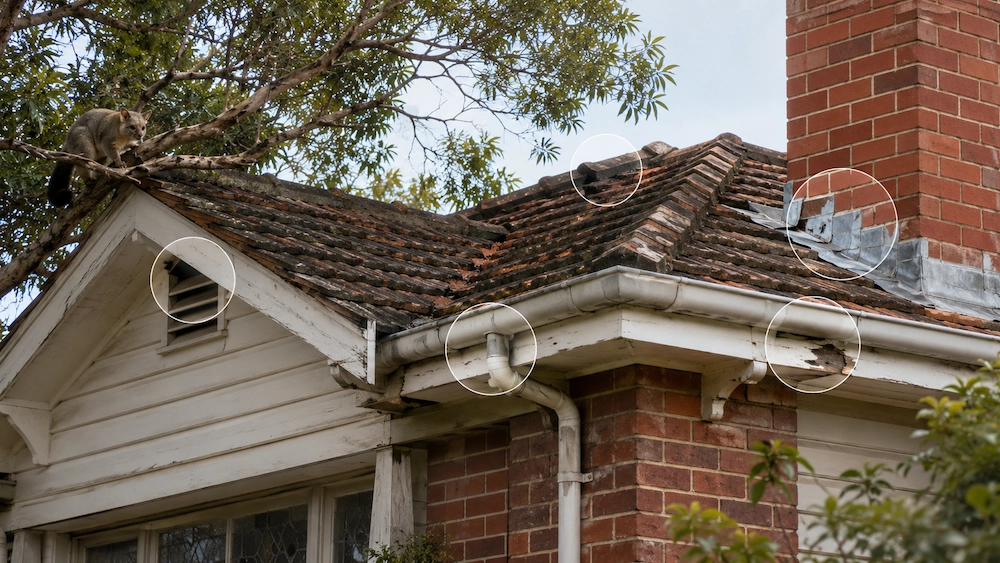
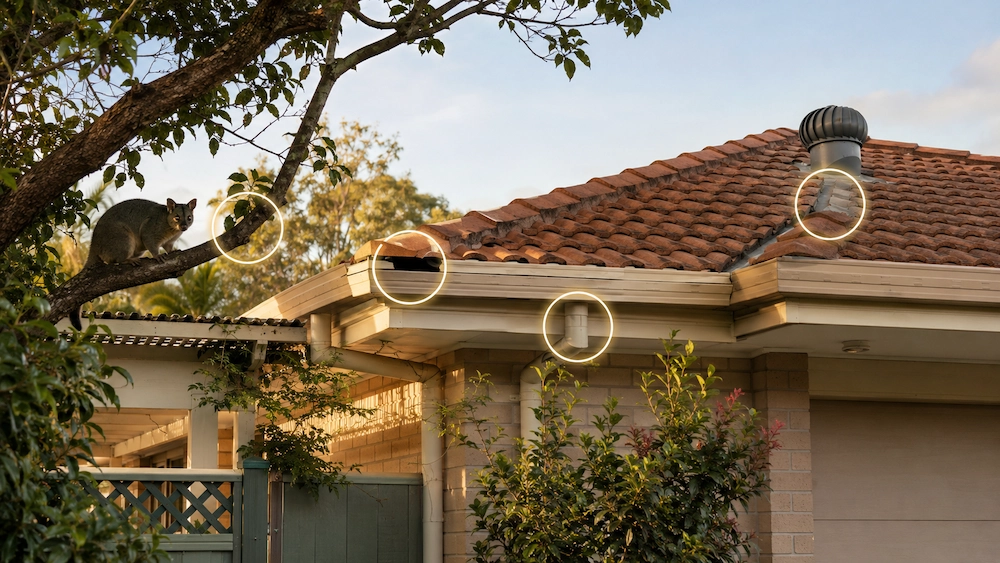
Victorian guidance suggests pruning branches that give possums a bridge to the roof and keeping about 1.5 metres of clearance, then using a motion light to cover whatever route is left. Some Queensland councils also mention a light in the ceiling space as an extra deterrent where it is safe, but it only helps if you also stop the entry point.
If you hear heavy thumping above the ceiling, you are dealing with a den, not a casual visit. At that point the entry point is the problem, and the long term fix is stopping access.
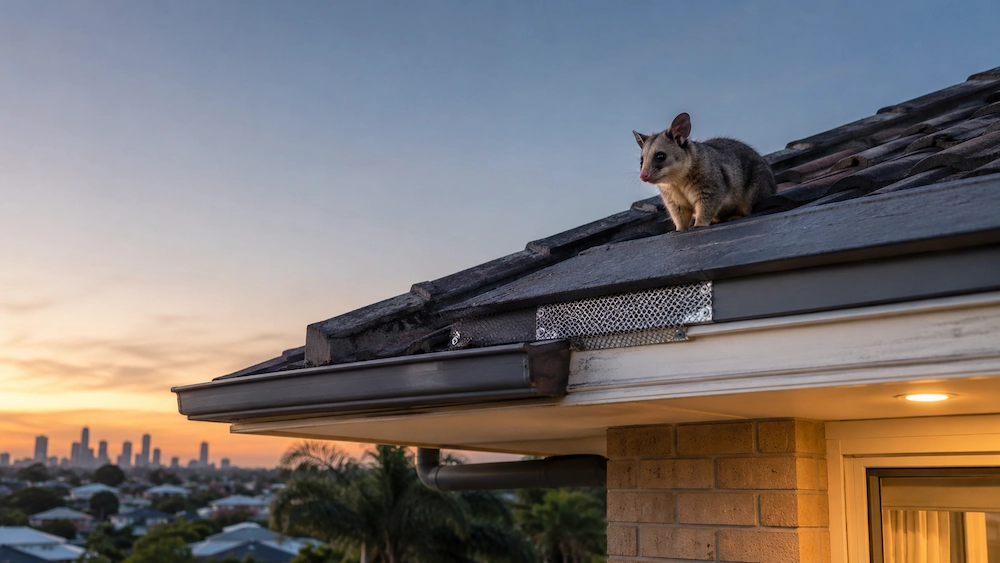
Do not seal holes during the day if you are not sure the possum is out. Queensland guidance suggests sealing at night, around 8 to 10 pm, when possums are out feeding, and using strong metal mesh or metal sheeting depending on the opening.
Victorian guidance recommends a one way flap so the possum can leave but cannot get back in, then you seal and reinforce the entry point once it is out. That is the real difference: lights try to change behaviour, but proofing removes access.
Possum deterrent lights with motion sensors can work as a short term deterrent in the garden, or as a support tool while you remove access and rewards. They are unreliable as a standalone roof fix, because the possum wants shelter more than it fears light.
If you want a quiet roof for good, the proven path is humane exclusion and proper proofing. That is where a professional process saves you time, avoids legal trouble, and stops the cycle.

1800 Possums focuses on humane removal and long term prevention, using one way doors and proper sealing so possums can leave but cannot get back in. It starts with a free phone consultation and quote, and they can often identify what is happening before any call out fees.
On site, they inspect the building, install one way doors on the active entry points, then return to remove them and seal the final gaps. They back the job with a 2 year money back guarantee across the whole building and a fixed standard rate of $495 inc GST (with a free quote if works exceed it), avoiding traps because proofing is what stops repeat problems.
If you have tried lights and the possum is still living rent free, it is a sign the animal is already committed to the spot, not just passing through. The quickest way to end the noise and stop the repeat visits is a humane one way exit plus proper proofing, so it can leave safely but cannot get back into the roof.