Possum Removal for Property Managers: The Tenant Complaint You Can’t Ignore
TL;DR: When tenants report noises in the roof, acting quickly can prevent property damage, tenant frustration, and repeat maintenance issues. A structured response that includes professional inspection, humane removal, and proper proofing is the most effective way to resolve possum problems in rental properties.
Key Takeaways
- Treat reports of roof noises as a maintenance issue and gather detailed information before arranging an inspection.
- Advise tenants not to block entry points, enter roof spaces, or attempt DIY removal methods.
- Possum removal should always include identifying and sealing entry points to prevent re-entry.
- Clear communication with tenants, owners, and contractors helps resolve the issue faster and reduces repeat complaints.
When a tenant reports scratching, thumping, or movement in the roof, the easy response is to treat it as a minor nuisance. Even without visible damage or a confirmed sighting, delaying action can allow a small issue to become a much bigger problem.
Possum removal for property managers means fixing the issue properly, protecting the property, and preventing repeat problems. A clear process helps everyone stay calm, especially when the tenant is frustrated, the owner wants proof, and the agency needs the job closed properly.
Act Early on the First Report
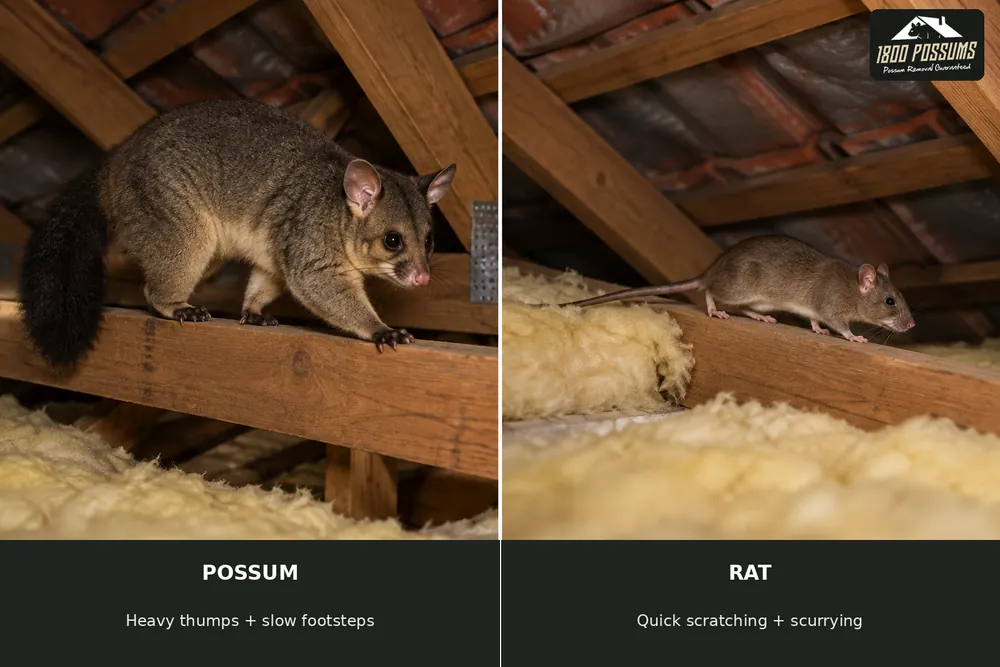
Tenants often report scratching, movement, or running noises in the roof. While these observations are useful, property managers should avoid assuming the cause is a possum, rat, bird, or another animal until the issue has been properly assessed.
Treat the report as a maintenance issue and collect key details such as the noise location, timing, duration, and any signs of droppings, odours, stains, or damage. This helps the technician arrive prepared and reassures the tenant that the issue is being taken seriously, reducing the chance of risky DIY attempts.
Tenant Advice
Property managers should immediately advise tenants not to block any holes, gaps, vents, or roof openings. Sealing an entry point too soon can trap a possum inside the roof and create bigger problems, including more noise, odours, and a harder removal process.
Tenants should avoid entering the roof cavity or trying to handle, trap, or deter the animal themselves, as roof spaces can be unsafe, and these actions may make the problem worse. Thank them for reporting it, keep pets away from the area, and advise that a professional inspection will be arranged.
Waiting Can Make It Worse
A suspected possum in the roof should be addressed promptly, as tenants often notice the problem through disrupted sleep before any visible signs appear. Once regular scratching, thumping, or movement is reported, the possum may already have an established entry point.
Delaying action can frustrate tenants, worry owners, and increase the risk of property damage as possums continue using the same entry points and affect roof spaces. Acting early simply means arranging a professional inspection before a minor issue becomes an ongoing maintenance problem.
Legal and Humane Considerations
Because possums are protecting native wildlife, they must be removed legally and humanely while ensuring they cannot re-enter the property. That means avoiding guesswork and relying on professionals who understand the correct process.
An experienced technician can identify whether a possum is actually causing the noise, locate entry points, and use appropriate removal and exclusion methods. For property managers, this helps protect both the property and the agency’s reputation through responsible, professional management.
Create a Better Work Order
A detailed work order helps prevent delays, access issues, and unnecessary follow ups while improving the first inspection.
Tenant Observations
Ask the tenant when the noise usually happens, where it sounds loudest, and whether it is scratching, running, thumping, or chewing. The timing of the noise, along with any safe photos or videos of roof gaps, damaged vents, or animal activity, can help identify the issue more accurately.
Access Details
A technician may need access to roof spaces and external areas, so confirm tenant availability and note any gates, pets, parking restrictions, or other access issues before the appointment. Property managers can save time by confirming these details before the appointment.
Owner Approval Requirements
Clearly note in the work order whether owner approval is required before work begins or if jobs can be approved within a set maintenance limit. If additional repairs are needed, the technician and property manager should know whether to pause for approval or provide a quote first.
Removal Alone Is Not Enough
A common mistake is thinking the job ends when the possum leaves. In reality, possum removal only solves part of the problem. If entry points are not properly sealed, possums can return, which is why removal should always be paired with proofing.
Inspection Comes First
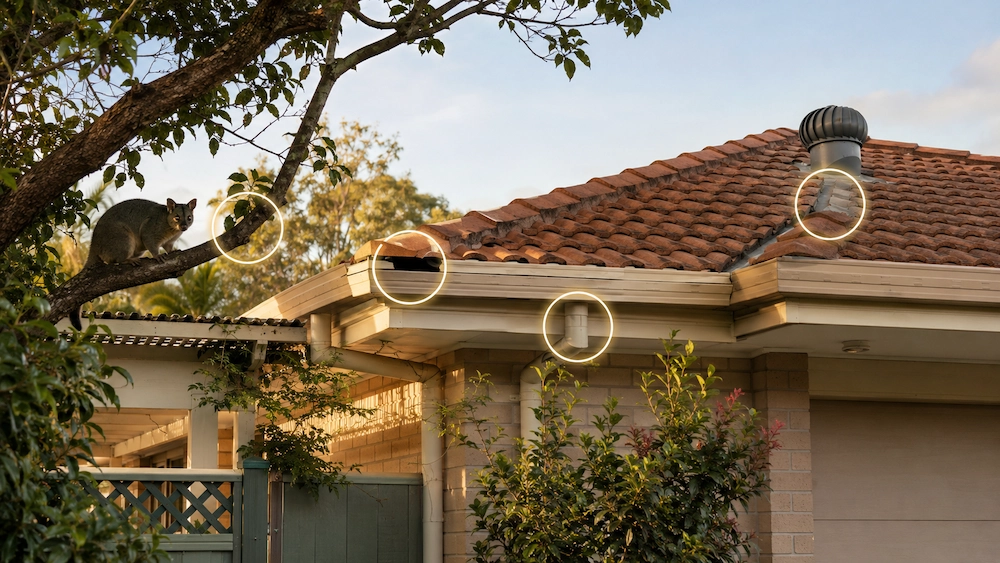
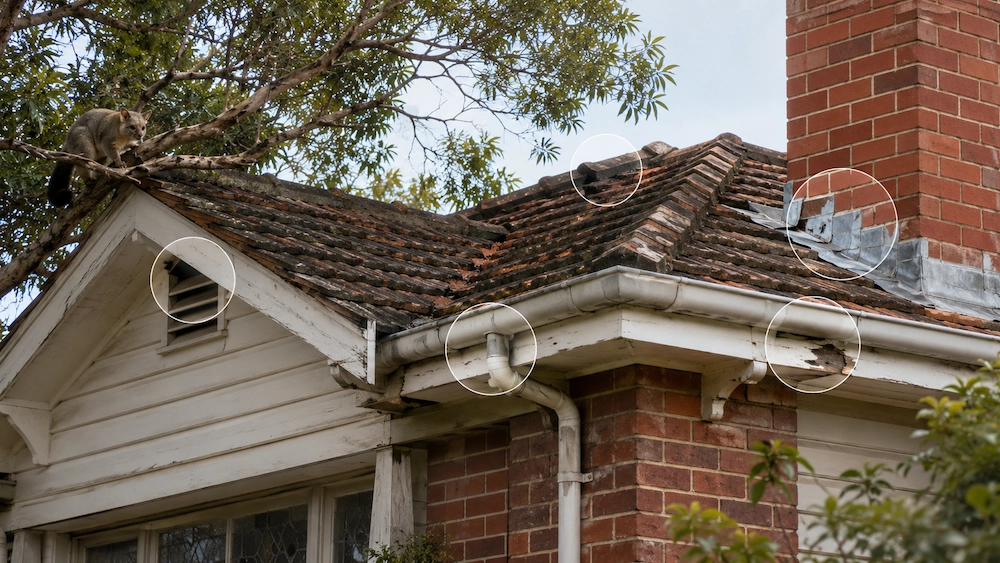
The technician should inspect the property to confirm signs of possum activity and identify likely entry points, including:
- Roof gaps
- Broken tiles
- Loose flashing
- Damaged vents
- Eaves
- Spaces around pipes and roof joins
Humane Exit Methods
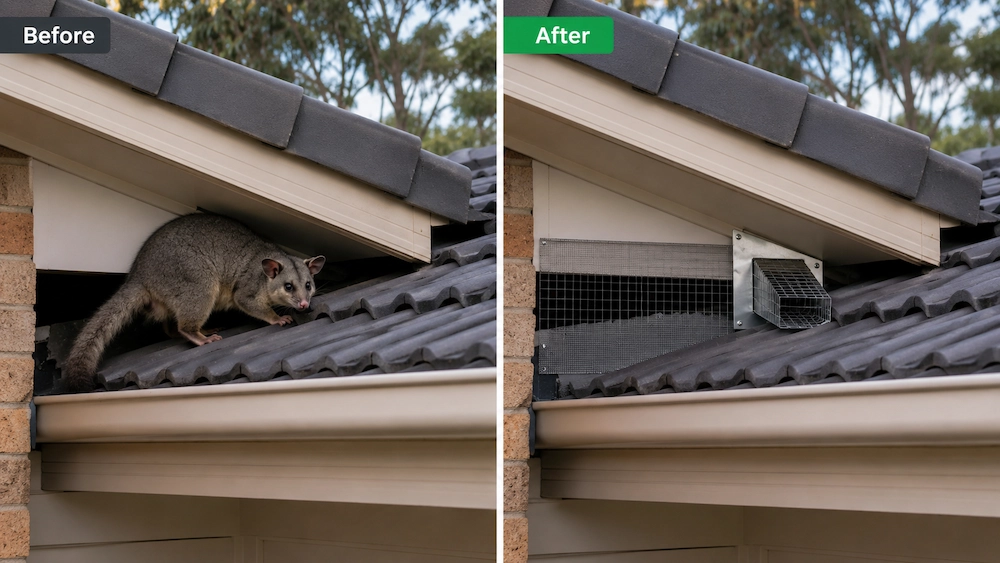
One way exit methods often allow the possum to leave safely while preventing it from re-entering through the same access point. The method should suit the building, the access point, and the condition of the roof area.
Stop Repeat Complaints
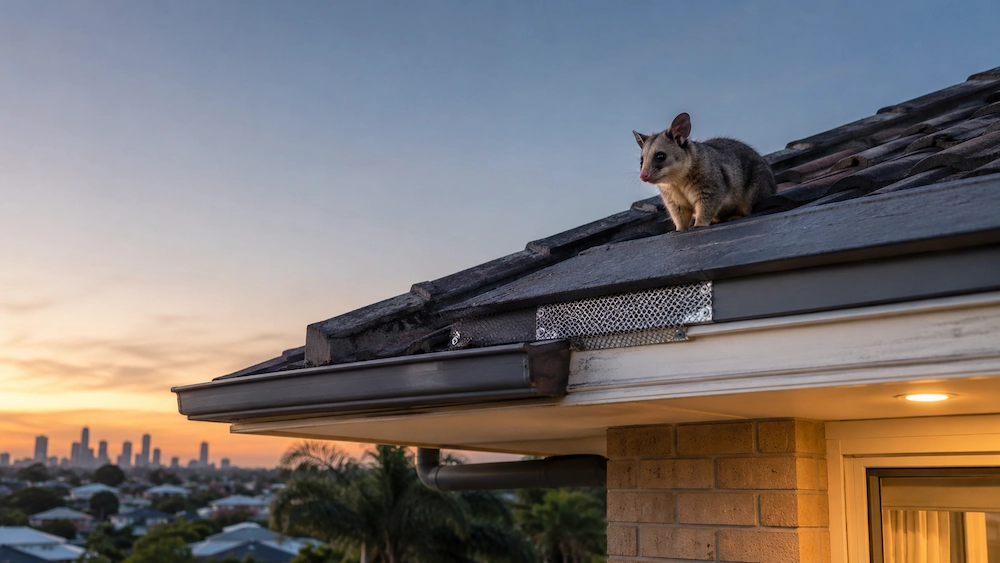
Once the possum has exited, the entry points should be properly sealed with suitable materials to prevent it from getting back inside. Proofing is the part of the job that protects the property manager from the complaint returning next week.
Keeping Owners Informed
Owners want to know what is happening, what it will cost, and whether the problem is likely to return. The best approach is to explain that a professional inspection is needed to confirm the issue and determine the right solution.
After the work is completed, provide a clear summary of what was found, what was done, and any recommended follow up actions. Keeping owners informed in simple terms builds trust and creates a useful maintenance record for the property.
Fast Response Steps
A clear workflow helps property managers handle possum reports consistently and efficiently. It also reduces confusion and helps prevent delays that can turn a minor issue into a recurring complaint.
Acknowledge the tenant’s report, gather key details, confirm access and approval requirements, and arrange a professional inspection as soon as possible. Once the work is completed, update the owner, record the outcome, and keep clear notes for future reference.
Choosing a Possum Contractor
Property managers need a contractor who understands rental property management. A reliable contractor should be able to explain the likely process, provide transparent pricing, and avoid making unrealistic promises before an inspection.
Choose a provider that offers humane possum removal, thorough inspections, effective proofing, and clear advice on whether additional repairs may be needed. Ultimately, the goal is not just to remove the possum, but to resolve the issue properly so tenants are satisfied, owners see value in the work, and the problem is less likely to return.
Why Choose 1800 Possums
1800 Possums works with property managers, landlords, real estate agencies, body corporate managers, and commercial property owners who need a straightforward solution to possum problems. Their service focuses on humane removal, one way exits, and entry point proofing to help prevent repeat access.
For property managers, the process is designed to reduce delays by handling inspections, access coordination, removal, and proofing efficiently. Standard services include inspection, return visits, and a 2 year money back guarantee, with quotes provided upfront for any additional work.
Need Possum Help?
If a tenant has reported possum activity, do not wait for the second or third complaint before taking action. Book 1800 Possums for professional possum removal for property managers and get the issue handled with a process built around safe removal, proper proofing, and clear communication. Contact 1800 Possums today.
Latest Articles