Possum, Rat, or Bird in the Roof? How to Tell the Difference
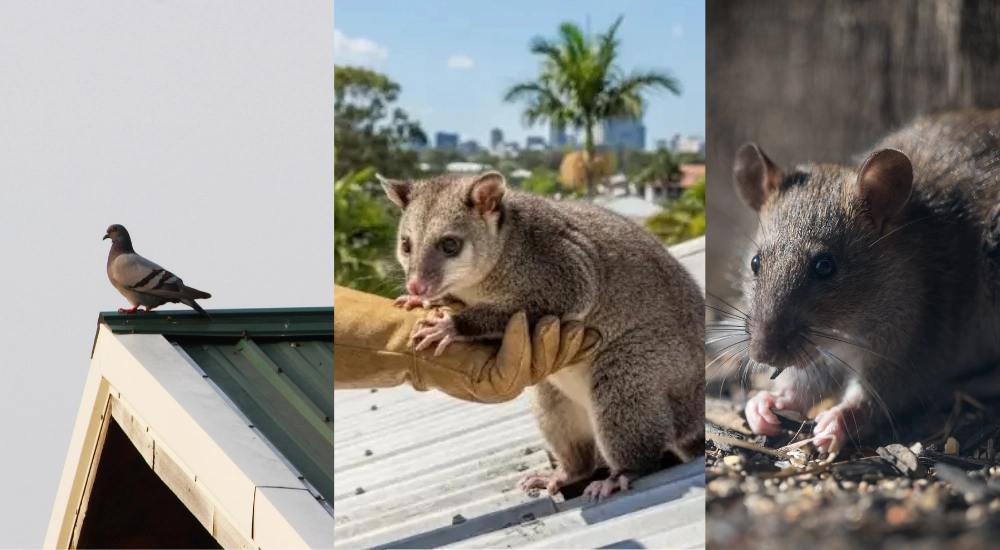
TL;DR: Heavy thumps at dusk or dawn often suggest a possum, fast scratching at night can point to rats or mice, and flapping or chirping near the roof edge usually points to birds. The safest move is to identify the signs first, then get the right fix before sealing gaps or disturbing nests.
Key Takeaways
- Do not block roof gaps until you know whether an animal is still inside.
- Possum problems usually need humane removal plus proper roof proofing.
- Rodent issues may involve treatment, monitoring, and sealing small access points.
- Bird activity should be checked carefully, especially if nesting material or chicks are present.
Scratching, thumping, or fluttering in the roof can get old fast, especially when you have no idea what is moving around up there. It could be a possum, rat, mouse, or bird, and each one leaves different clues if you know what to listen and look for.
Getting the answer right saves time, money, and stress because each animal needs a different fix. This guide will help you spot the common signs before you block a hole, climb into the ceiling, or pay for the wrong solution.
Start With the Sound Above Your Ceiling
Most people notice the noise before they see droppings, damage, or an entry point. The type of sound, the time it happens, and where it comes from can quickly narrow down the likely culprit.
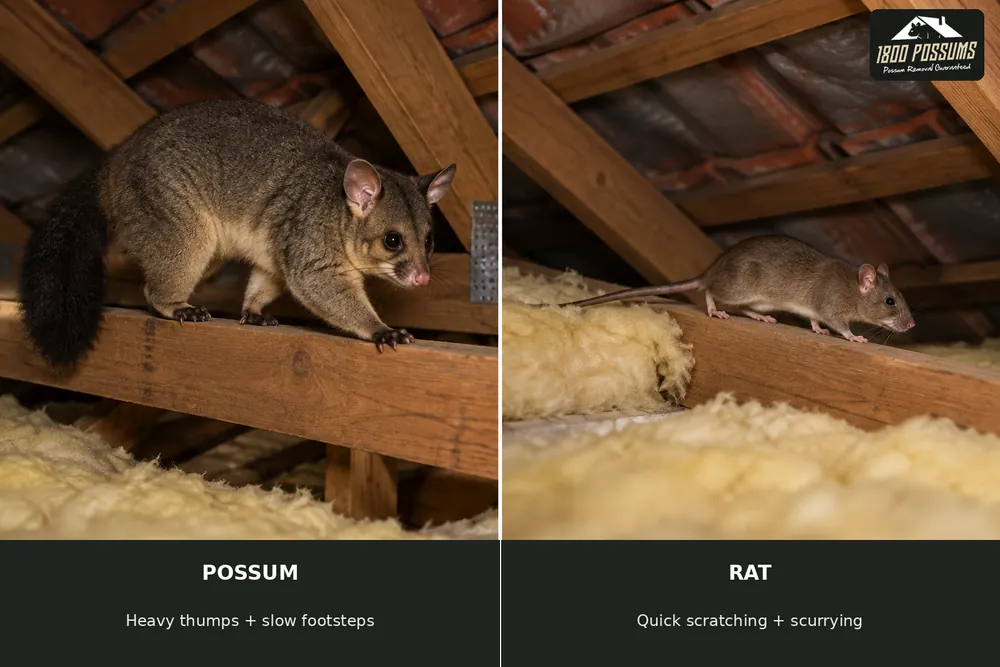
Heavy Thumps at Dusk or Dawn Often Mean Possum
Possums are heavier than rats or birds, so the noise usually sounds slower, louder, and more solid. Common signs include:
- heavy footsteps above the ceiling
- dull thumps or dragging sounds
- scraping near the roofline
- a sudden crash across timber, insulation, or ceiling space
Timing can also give it away, since possums often leave the roof around dusk and come back before dawn. If the sound feels too loud to be a rat, it probably is worth taking seriously.
Fast Scratching and Chewing Usually Point to Rats or Mice
Rats and mice usually sound lighter, quicker, and more restless than a possum. Common signs include:
- fast scurrying through the ceiling or walls
- light scratching that moves around at night
- chewing, tapping, or grinding sounds
- noise near wiring, pipes, cupboards, or wall cavities
Rodent noise can shift from one part of the house to another because rats and mice move easily through tight spaces. One night it may sound like it is above the bedroom, then later it may seem to move through a wall, garage, kitchen bulkhead, or subfloor.
Flapping, Chirping, and Rustling Near Eaves Suggest Birds
Birds often give themselves away with sounds around the edges of the roof rather than deep inside the ceiling. Common signs include:
- flapping, chirping, or fluttering near eaves, vents, chimneys, gutters, or solar panels
- chicks calling from a roof void or sheltered gap
- feathers, twigs, droppings, or birds flying in and out of one spot
Bird noise is usually strongest in the morning, during the day, or around sunset, and the roof may go quiet overnight. If the sound is coming from one outside edge of the roof, check safely from the ground before doing anything else.
Match the Noise to the Time of Day
When the noise happens can tell you almost as much as the noise itself. If it starts around dusk and sounds heavy, it may be a possum, but if it continues through the night with light scratching or chewing, rats or mice are more likely.
Birds usually make themselves known in the morning, during the day, or around sunset, especially near eaves and gutters. Timing is not proof on its own, so match it with the sound, droppings, entry points, and any damage you can safely see.
Check the Roofline Without Blocking Anything
Entry points are one of the clearest signs, but they can also be misleading if you do not know what size gap each animal needs. Always inspect from a safe position on the ground where possible, and avoid sealing gaps until you know what is inside.
Larger Gaps Are Common With Possums
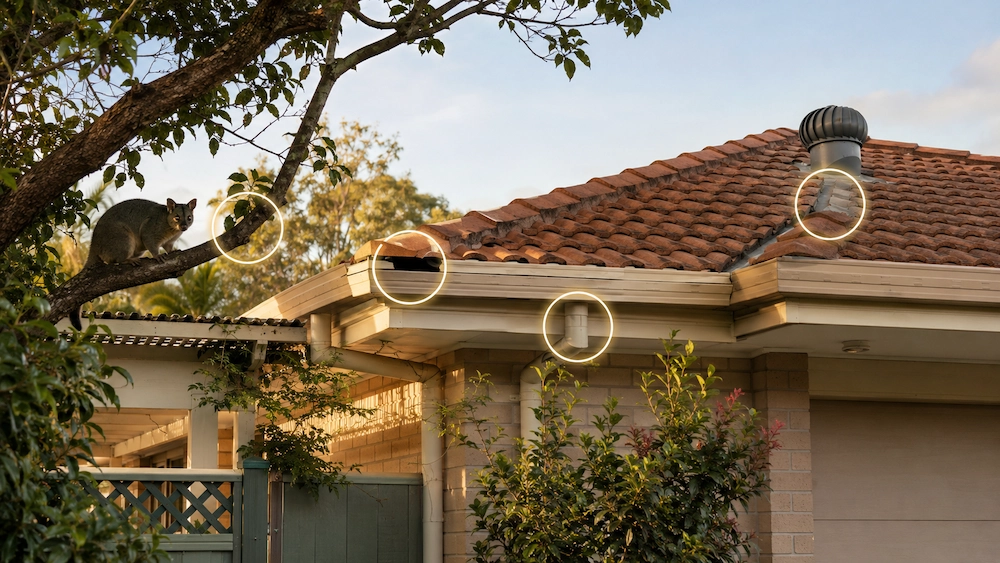
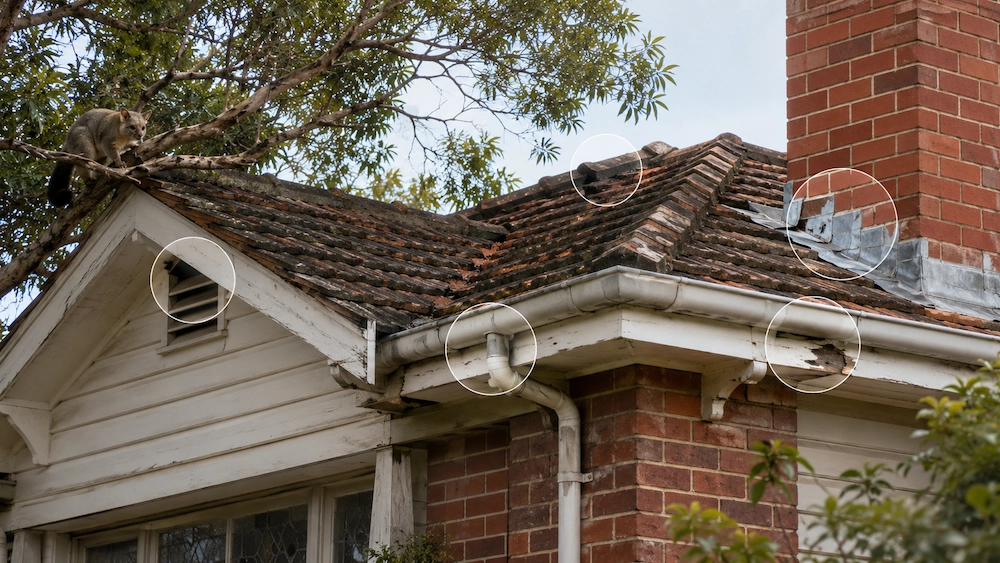
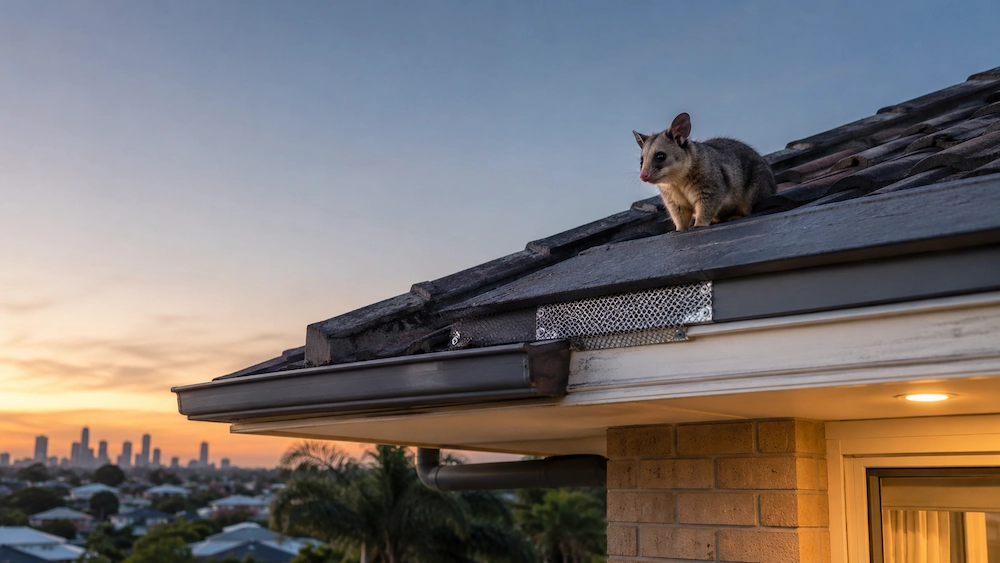
Possums usually need a larger opening than rodents. Common access points include broken tiles, damaged eaves, loose flashing, gaps under roofing iron, roof returns, lifted ridge capping, or holes near gutters.
Overhanging branches can also help a possum reach the roof. If a tree touches the house or hangs close to the roofline, it may be acting like a bridge.
Tiny Holes Can Still Let Rodents In
Rats and mice do not need much space to get inside. They may use gaps around pipes, wall vents, weep holes, damaged brickwork, garage openings, subfloor gaps, or small cracks along the roofline.
This is why rodent problems can be harder to trace. The noise may be in the roof, but the access point may be lower on the building or connected through a wall cavity.
Birds Often Choose Edges, Vents, and Solar Panel Gaps
Birds often use roof edges, open eaves, chimneys, vents, gutters, broken tiles, and gaps under solar panels. Nesting material around a gutter, vent, or roof opening is one of the easiest signs to spot.
Do not remove a nest or close a gap without checking whether birds are active inside. Trapping birds or chicks in a roof cavity can create a welfare issue, a smell problem, and a bigger clean-up job.
Read the Mess Left Behind
You do not always need to see the animal to work out what is there. Droppings, smells, nesting material, stains, and damage often tell the story.
Possum Signs Around the Roof Space
Possum droppings are usually larger than rat droppings and may appear in roof spaces, near entry points, or along fences and decks. You might also notice flattened insulation, strong smells, scratch marks, or roof damage. If a possum feels safe there, it may return unless the roof is properly proofed.
Rat and Mouse Signs Inside the Home
Rat and mouse droppings are small, dark, and pellet-shaped, often found in roof spaces, cupboards, garages, pantries, behind appliances, or near food. Chew marks are another giveaway, especially on timber, plastic, wiring, pipes, insulation, packaging, and stored items as rodents move through the building looking for shelter and food.
Bird Signs Around Eaves and Gutters
Birds may leave feathers, twigs, grass, droppings, and nesting debris near roof edges, chimneys, vents, or solar panels. A strong smell can point to droppings, damp nesting material, urine, or a dead animal, so it is worth acting early before insects, stains, or hygiene problems start to build up.
Put the Clues Together Before You Act
Heavy thumps around dusk or dawn usually point to a possum, especially if you also find larger droppings, flattened insulation, or a clear roof entry point. Fast scratching, chewing, or light movement through walls and ceilings is more likely to be rats or mice.
Flapping, chirping, or rustling near eaves, vents, chimneys, gutters, or solar panels usually points to birds. Some homes have more than one issue, so it is better to look at all the signs together instead of judging the problem from one noise.
Mistakes That Make Roof Animal Problems Worse
A quick fix can backfire if you do not know what is in the roof. To avoid trapping animals inside, creating bad smells, or making the problem harder to clean up, avoid these common mistakes:
- climbing into the roof at night
- sealing a suspected entry point too early
- using DIY possum traps
- putting out rat bait before confirming the animal
- removing an active bird nest without advice
Why Choose 1800 Possums for Roof Noises
We help you work out what is in the roof, remove it humanely where needed, and proof the building so the noise does not keep coming back. If you are unsure whether it is a possum, rat, or bird, we can narrow it down through a phone consultation and inspection, so you are not paying for the wrong fix. You can also see how our possum removal process works before you book.
For standard possum removal and proofing, we offer a fixed price of $495 inc. GST for most standard homes, including inspection, one-way exit methods, entry-point sealing, and a return visit to remove the exit device. We are family-owned, have more than 15 years of industry experience, and back standard possum proofing with a 2-year money-back guarantee across the whole building.
Get the Right Answer Before the Noise Gets Worse
If your roof is scratching, thumping, scurrying, or flapping, do not spend another night guessing. 1800 Possums can help identify whether you are dealing with a possum rat or bird in roof, then recommend the right next step for your home or building.
Book online with no deposit or call 1800 767 7867 to speak with the team.
Latest Articles