Possum vs Rat – How to Tell the Difference and What to Do Next
If you’ve heard scratching, thumping, or scurrying noises in your ceiling or noticed droppings in your shed, chances are you’re dealing with an uninvited visitor. In Australia, two of the most common culprits are possums and rats — but telling them apart isn’t always straightforward.
Knowing whether you’re dealing with a possum or a rat is not just about curiosity — it influences how you should respond. Possums are protected native animals and must be handled humanely, while rats are considered pests and can pose serious health risks.
In this guide, we’ll help you spot the key differences between possums and rats, understand their signs, and explain what steps to take to deal with them legally and effectively.
What’s the Difference Between a Possum and a Rat?
At a glance, possums and rats can appear similar, especially if all you’ve seen are their droppings or heard noises at night. However, several characteristics set them apart.
Size and Appearance
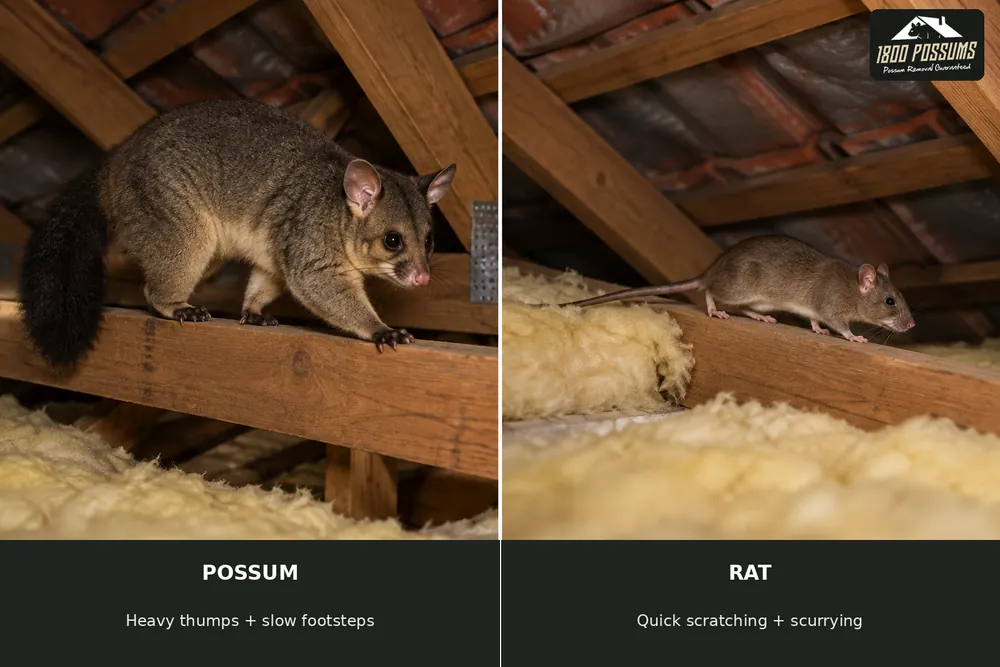
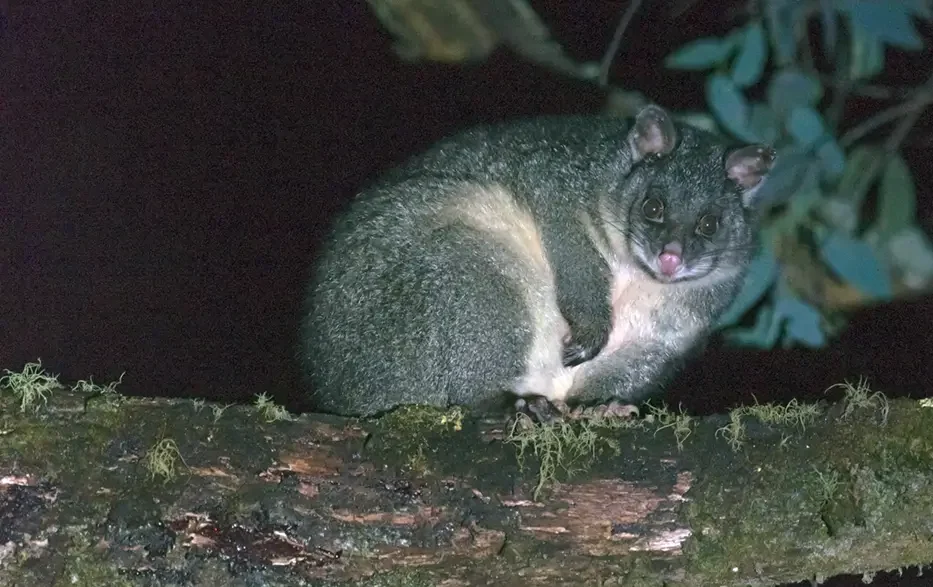
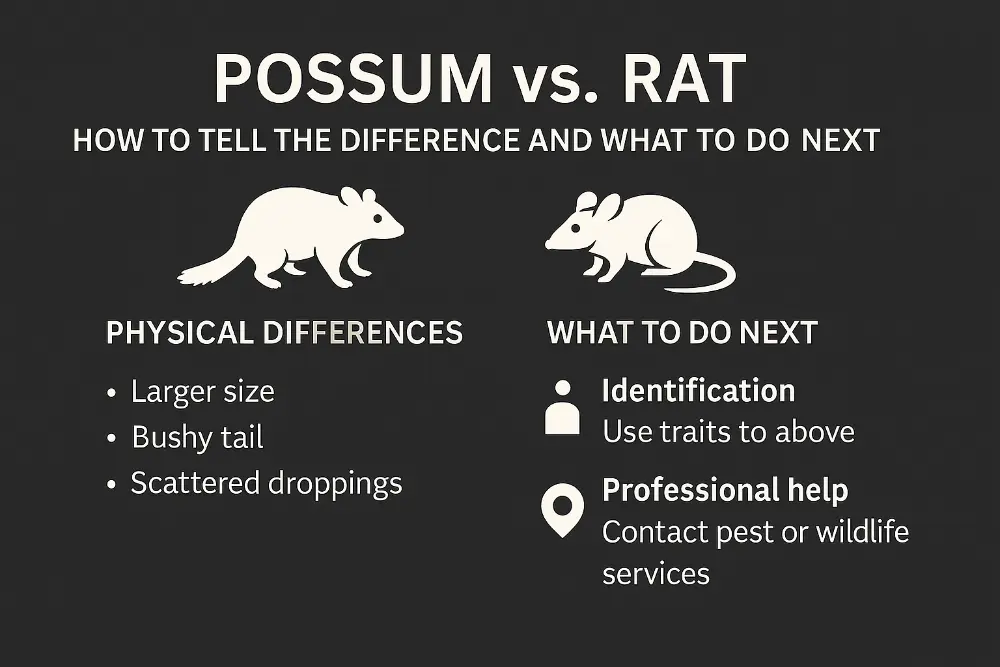
- Possums are much larger, often weighing between 1.5 to 4.5 kg. The common brushtail possum, for example, can grow up to 55 cm in body length, plus a long bushy tail. They have thick fur, big eyes, and prominent ears.
- Rats are significantly smaller, usually around 100 to 300 grams in weight. Their tails are hairless and longer than their bodies. Their fur is sleek, and their features are more angular with a pointed nose.
Behaviour and Movement
- Possums are loud movers. You might hear heavy thuds, screeching, or growling noises as they walk and communicate.
- Rats, on the other hand, are quieter. You’ll typically hear scratching in walls, ceilings, or roof spaces, particularly at night.
Droppings
- Possum droppings are larger (2–3 cm), cylindrical, and often smell strongly.
- Rat droppings are small (about 1 cm), dark brown or black, and pointed at both ends.

How to Identify Which Animal Is in Your Roof
Accurate identification helps ensure the right response, especially regarding legal obligations regarding native wildlife.
Here are the most reliable clues:
1. Sound Clues
Possums are big animals and can be surprisingly noisy, producing loud thumping or banging sounds as they walk across your ceiling. They may also hiss, grunt, or screech. If the noises sound heavy or erratic, it’s likely a possum.
Rats tend to make faster, lighter scratching sounds. You might hear them gnawing or scurrying, often during the early morning or late evening.
2. Visual Clues
If you catch a glimpse of the animal, check for:
- Tail type: Possums have thick, furry tails; rats have long, hairless ones.
- Eyes: Possums have large, front-facing eyes adapted for night vision. Rats’ eyes are smaller and on the sides of their heads.
- Movement: Rats move quickly and nervously. Possums are calmer and more curious.
3. Entry Points and Damage
- Rats can squeeze through gaps as small as a 20-cent coin. Watch for bite marks on wood, cables, or insulation—they continually chew to control the growth of their teeth.
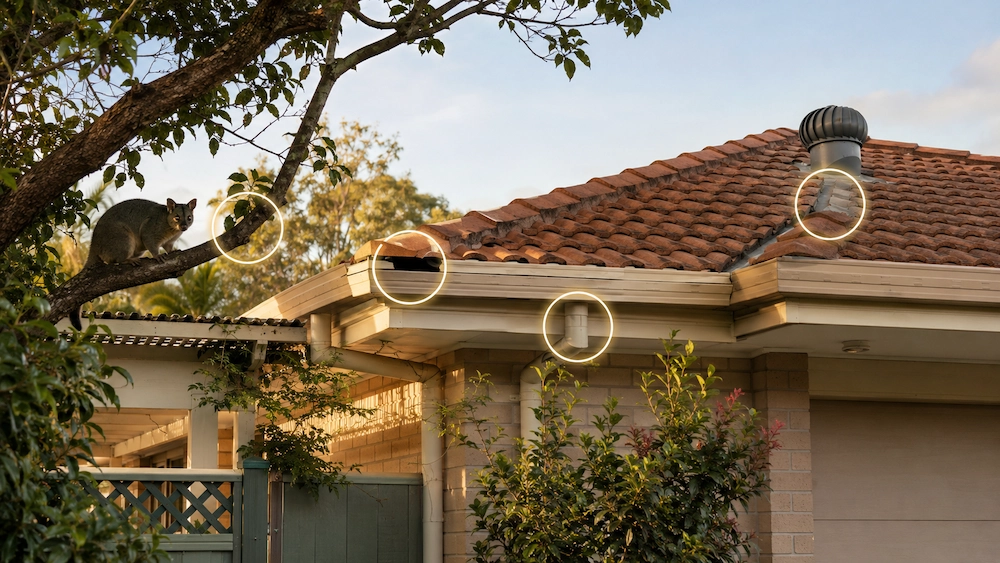
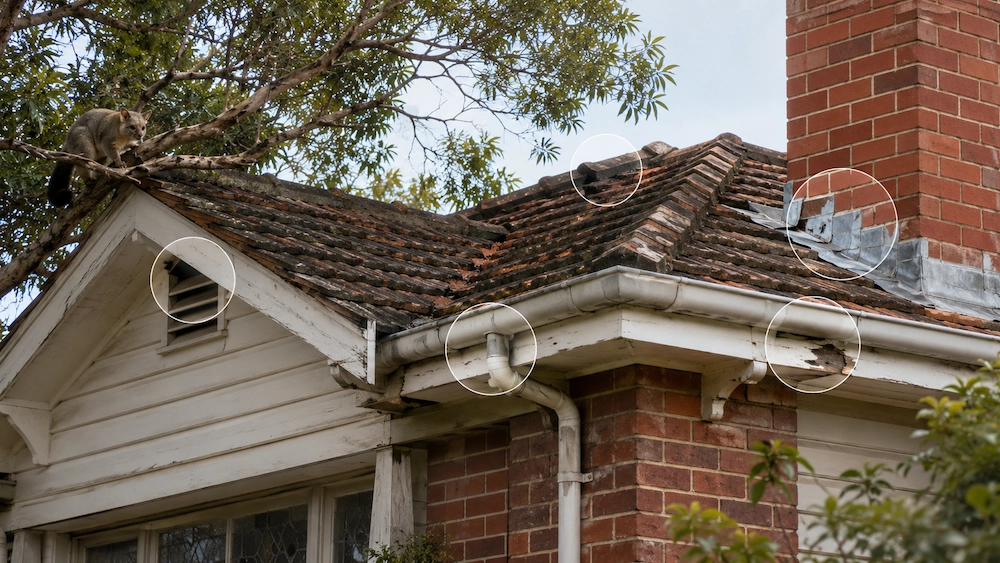
- Possums need larger openings to access your roof and are more likely to damage tiles or fascia boards to create their entry.
Risks and Health Concerns
Rats: More Than Just a Nuisance
Rats are a known health hazard. They carry diseases like leptospirosis, salmonella, and hantavirus. Their waste can taint food and surfaces. They also gnaw on electrical wires, posing significant fire hazards.
Possums: Legal Protections and Property Damage
While possums aren’t typically dangerous to humans, their presence can still be disruptive. They can damage roofing, leave strong-smelling waste, and attract other pests like mites or cockroaches. Under Australian law, possums are protected — trapping or relocating them without the proper licence or permission from wildlife authorities is illegal.
What Should You Do If You Suspect a Possum or Rat?
Step 1: Confirm the Culprit
Use the signs above to determine whether it’s a possum or a rat. You can also install motion-sensor cameras or use baited traps (for rats only) to gather visual evidence.
Step 2: Take Appropriate Action
If It’s a Possum:
- Do not harm or trap the possum yourself. It is against the law.
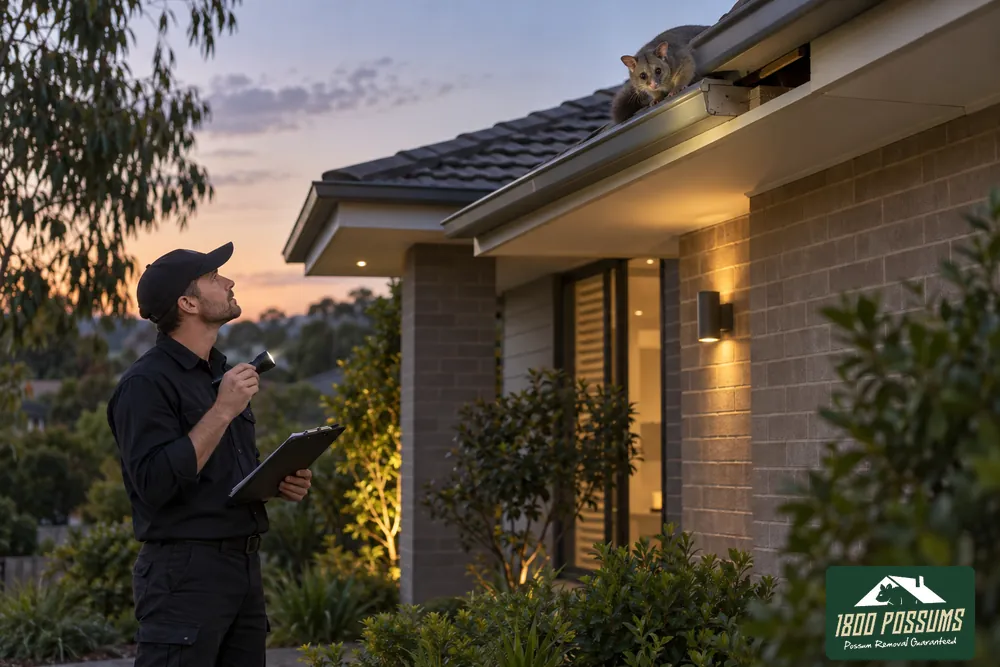
- Contact a licensed possum removal expert, like 1800 Possums. We use humane, government-approved techniques to remove possums and seal off entry points.
- Install one-way doors to let the possum exit but not return — this must be done carefully and legally.
- Trim tree branches near your roofline, which possums often use as highways.
If It’s a Rat:
- Set traps or use bait stations in secure, child-safe areas.
- Seal all holes and cracks — even ones as small as a coin — especially around the roofline, eaves, and vents.
- Clean and sanitise the affected areas. Disinfect all surfaces rats may have touched.
- Eliminate food sources by storing food and rubbish in sealed containers.
Prevention Tips for Homeowners
Keeping pests out of your home starts with smart, consistent home maintenance. These preventative measures reduce the risk of future infestations and support your property’s long-term safety and hygiene.
Seal Entry Points
Possums and rats are excellent climbers and opportunistic invaders. They’ll exploit even the smallest gaps or weaknesses around your roof and walls.
- Inspect regularly for holes, cracks, or broken tiles on your roof and along eaves, gutters, or fascia boards.
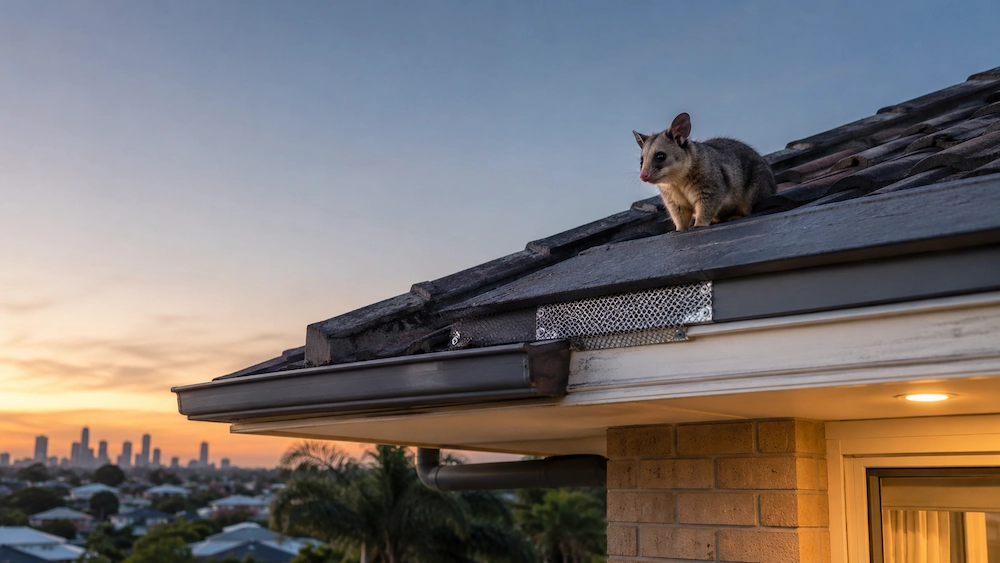
- Seal small holes in walls, vents, or roof cavities with wire mesh or steel wool. Rats can chew through soft materials like foam or plastic.
- Install possum-proof covers on chimneys, vents, and downpipes.
- Check around doors and windows, particularly older or weather-damaged frames, where rats can slip through.
Even gaps as small as a 20-cent coin can let rats into your home, so a detailed inspection is essential.
Keep Your Garden Tidy
Possums and rats both use outdoor clutter as cover before entering your home.
- Prune any tree limbs that extend over your roof. Possums frequently utilise these as natural pathways to reach your roof area.
- Avoid stacking wood, furniture, or garden tools near walls or fences — rats will use these as hiding places or nesting zones.
- Consistently remove leaves and clutter from gutters, beneath decks, and behind sheds.
- Compost bins and fruit trees should be monitored carefully. Fallen fruit and compost attract both rats and possums.
A tidy garden creates fewer hiding spots and makes spotting early signs of pest activity easier.
Limit Food and Water Access
Food and water are the biggest motivators for pests to move into or around your home.
- Don’t leave pet food outdoors overnight; clean up feeding bowls daily.
- Secure all rubbish bins with tight-fitting lids — both inside and outside.
- Wipe down benches and vacuum crumbs, especially in the kitchen and dining areas.
- Fix dripping taps and leaking pipes, including outdoor hoses and irrigation systems. A small water source can sustain a rat colony.
Cutting off these basic resources reduces the chances of pests returning or multiplying.
Schedule Regular Inspections
Identifying a pest issue promptly can help you avoid expensive repairs and prevent more extensive infestations.
- Have your roof and subfloor inspected at least once a year, ideally before winter and again in early spring.
- Use a licensed pest control professional who can spot signs that the untrained eye might miss, such as droppings, nesting materials, or hidden access points.
- Keep a log of noises, sightings, or damage to help track patterns over time.
To better understand what to expect from this process, check out our guide: What Is Possum Removal? Everything You Need to Know.
Local Relevance: Why This Matters in Australia
In suburban Australia—from Melbourne and Sydney to Brisbane and Perth—possums and rats are common in homes due to our climate and housing styles. Tile roofs, easy access points, and abundant food make ideal conditions for infestation.
Legal regulations around possum removal vary by state, but all require humane treatment and permit-based relocation. Meanwhile, due to rising populations and urban development, rats pose increasing risks, especially in warmer months.
Interesting Facts About Rats and Their Behavior can help homeowners understand the risks they present and the reasons they might target your property.
If you’re in Australia and hearing bumps at night — don’t ignore it. Take action to protect your health, home, and our native wildlife.
Think You’ve Got a Possum or Rat Problem?
1800 Possums is an Australian-owned pest control provider specialising in humane possum removal, rat control, and property-proofing solutions for homeowners. With decades of experience, licensed technicians, and full compliance with state wildlife regulations, we offer peace of mind and long-term protection.
We don’t just remove the pest — we also help you prevent future problems. Don’t leave it to guesswork. Whether a possum is thudding around your roof or rats are gnawing on your walls, you deserve a safe and pest-free home. Call us today for an expert assessment and same-day service in your area.
Latest Articles