Steps to Possum-Proof a Home: How to Block Entry Points and Keep Possums Away

Understanding Possum Behaviour
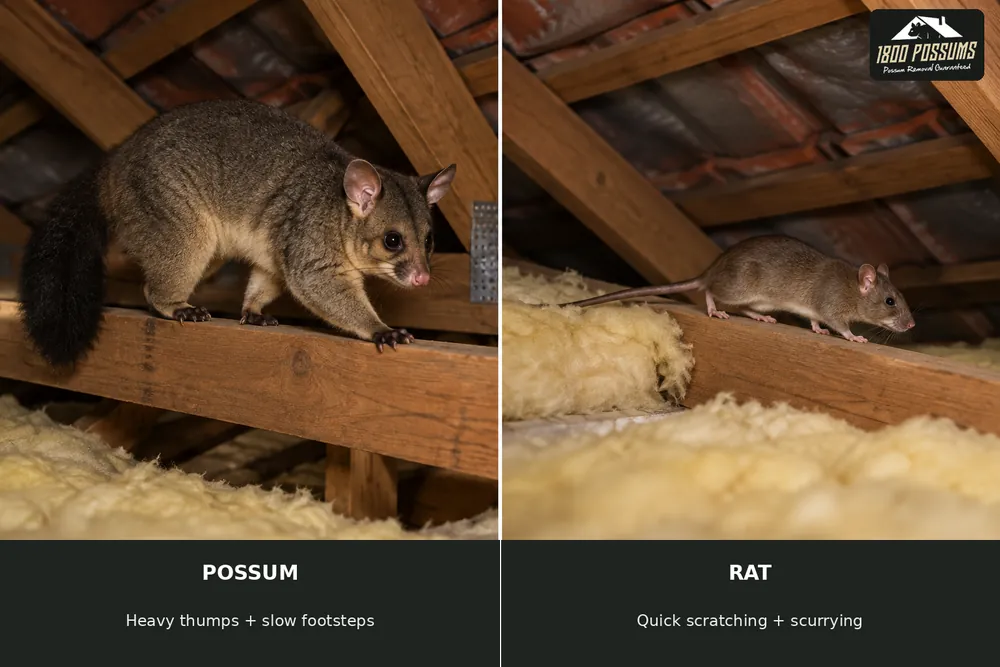
Before diving into the possum-proofing process, it’s important to understand why possums seek out homes in the first place. Possums are territorial creatures that look for safe and warm shelters to nest and raise their young. They are also attracted to food sources that homeowners may unintentionally provide.
Why Do Possums Enter Homes?
- Shelter: Roof spaces, attics, and sheds offer protection from predators and harsh weather.
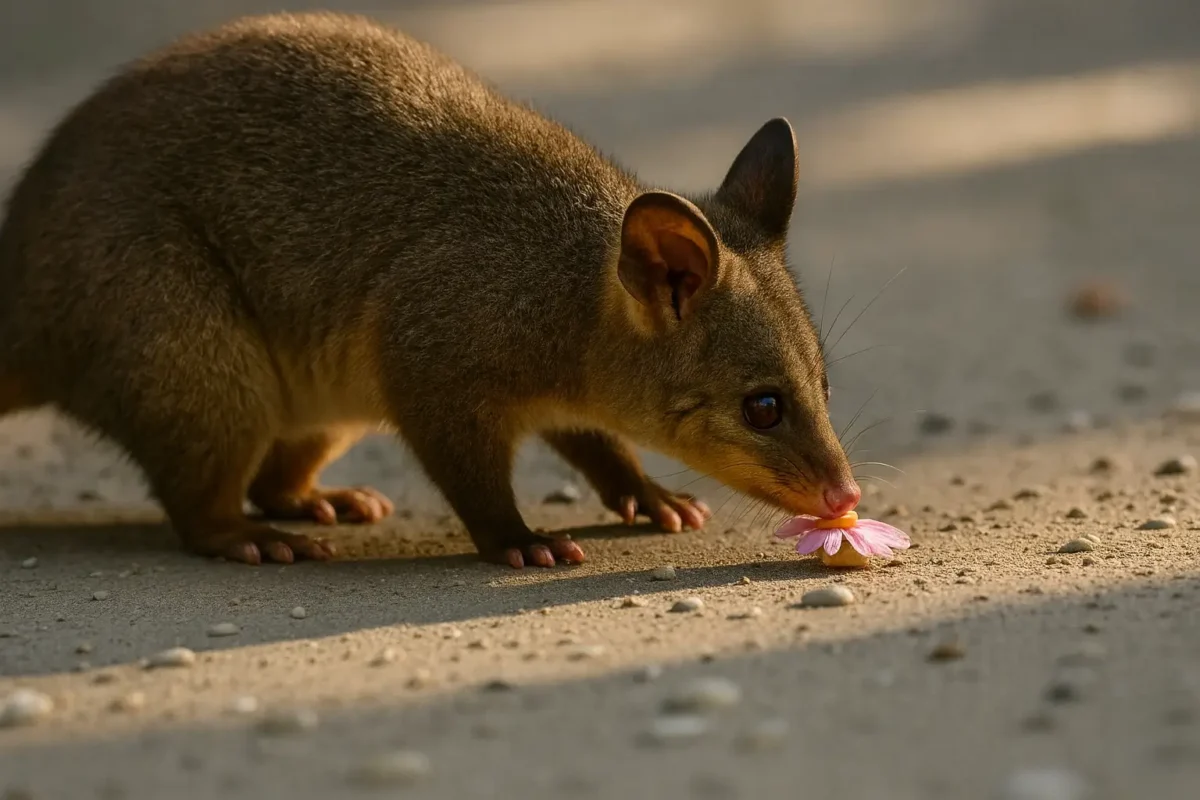
- Food Sources: Possums are omnivores and will eat fruit, vegetables, flowers, and even pet food left outside.
- Easy Access: Overhanging tree branches, gaps in roofing, and open vents provide entry points.
By eliminating these attractions, you can make your property far less appealing to possums.
Identifying and Blocking Entry Points
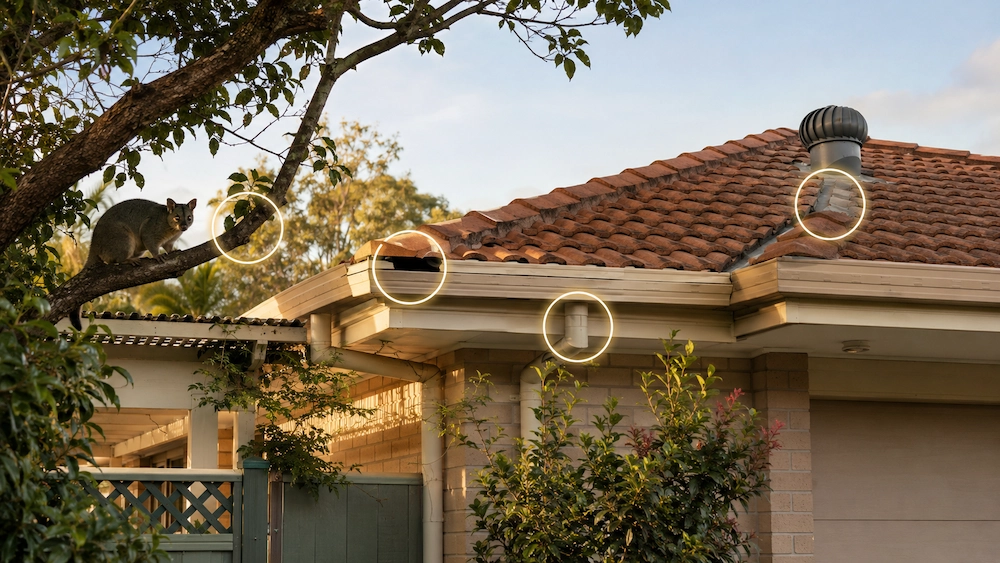
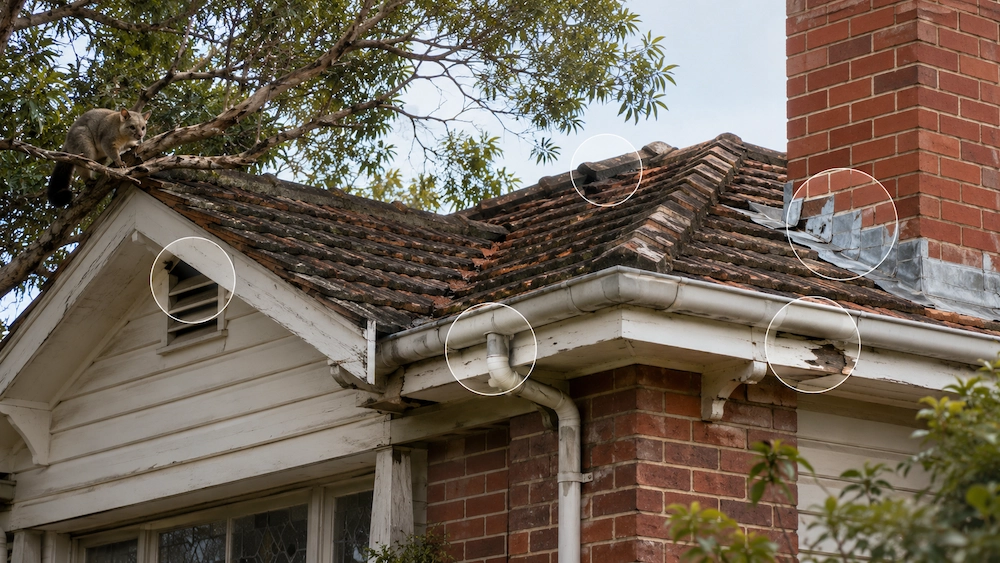
Possums are excellent climbers and can squeeze through surprisingly small gaps. The first step to possum-proof a home is to thoroughly inspect your property for possible entry points and block them effectively.
How to Identify Entry Points
- Roof Inspection: Check for gaps, loose tiles, or holes in eaves and gables.
- Vents and Chimneys: Uncovered vents and chimneys are easy access points for possums.
- Wall Gaps and Under Decking: Any small gap in the structure of your home can be used by possums to enter or hide.
Steps to Seal Entry Points
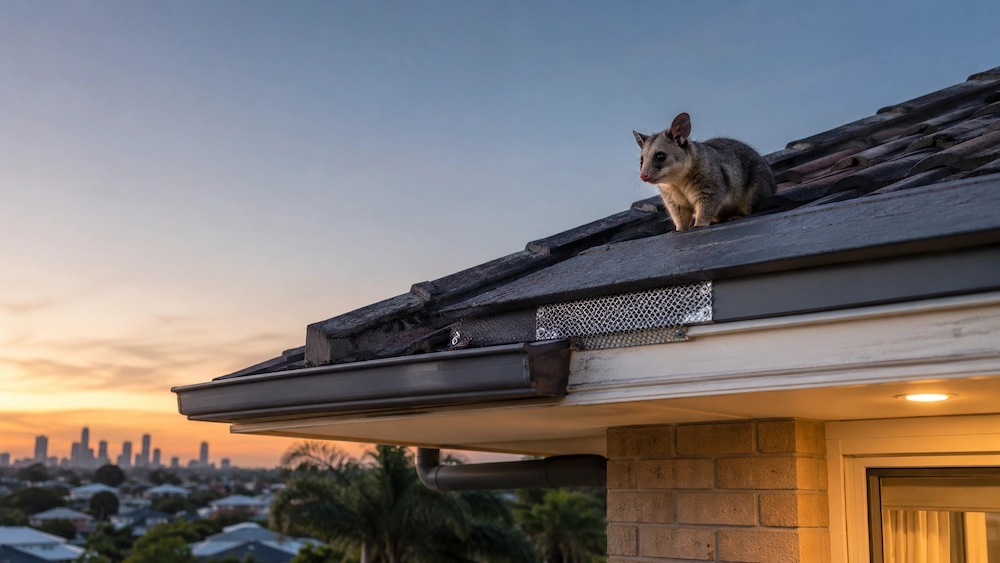
- Seal Roof Gaps: Use durable materials like wire mesh or timber to cover openings. Ensure there are no trapped possums inside before sealing.
- Secure Vents and Chimneys: Install mesh covers over vents and chimneys to prevent entry.
- Reinforce Wall Gaps: Fill holes with strong materials such as sheet metal or wooden panels.
- Block Access Under Decking: Attach mesh or fencing around the bottom of decks and sheds.
- Trim Overhanging Branches: Possums use branches as pathways onto roofs. Keep trees at least two metres away from your home.
- Check Gutters and Drain Pipes: Possums may use these as entry points; installing guards can help prevent access.
Blocking these entry points is one of the most critical steps to possum-proof a home. If you’re unsure, professional inspections can help identify weaknesses in your property’s defences.
Removing Attractants: Making Your Home Less Appealing to Possums
Possums invade homes primarily for food and shelter. By eliminating these temptations, you can significantly reduce the risk of infestation.
Food Sources to Remove
Secure Rubbish Bins: Always keep garbage bins closed with tight-fitting lids.
Clean Up Fallen Fruit: Pick up any fruit that falls from trees in your yard.
Avoid Feeding Pets Outdoors: If necessary, remove pet food and water bowls after feeding.
Protect Vegetable Gardens: Use netting or enclosures to keep possums away from crops.
Cover Compost Bins: Ensure compost bins have tight lids to avoid attracting possums.
Shelter Options to Eliminate
Close Off Access to Roof Spaces: Ensure all roof openings are properly sealed.
Remove Yard Debris: Piles of wood, old furniture, or thick vegetation can be attractive hiding spots.
Block Off Underhouse Areas: Use lattice or mesh to close spaces beneath decks and raised homes.
Reduce Climbing Aids: Remove or relocate structures possums can use to access your home, such as stacked firewood or unsecured trellises.
These steps will make your property less attractive to possums, encouraging them to stay in their natural habitat instead.
Using Possum Deterrents
If possums continue to visit your property despite blocking access and removing food sources, consider using deterrents to keep them away.
Effective Possum Deterrents
- Motion-Activated Sprinklers and Lights
- Possums are nocturnal and prefer dark, quiet spaces.
- Motion-sensor lights and sprinklers startle them and encourage them to leave.
- Homemade Repellent Sprays
- A mixture of garlic, vinegar, and water can deter possums when sprayed around entry points.
- Commercial possum repellents are also available in hardware stores.
- Use of Pet Fur or Predator Scents
- Possums avoid areas where they sense potential threats.
- Scatter dog or cat fur around your garden to create the illusion of a predator.
- Noise and Ultrasonic Devices
- Some homeowners find success with high-frequency sound deterrents.
- However, these can sometimes affect household pets.
- Natural Barriers
- Prickly plants or hedges around fences and roofs make it difficult for possums to climb.
Using these deterrents alongside sealing entry points ensures a comprehensive approach to possum-proofing a home.
Providing Alternative Habitats for Possums
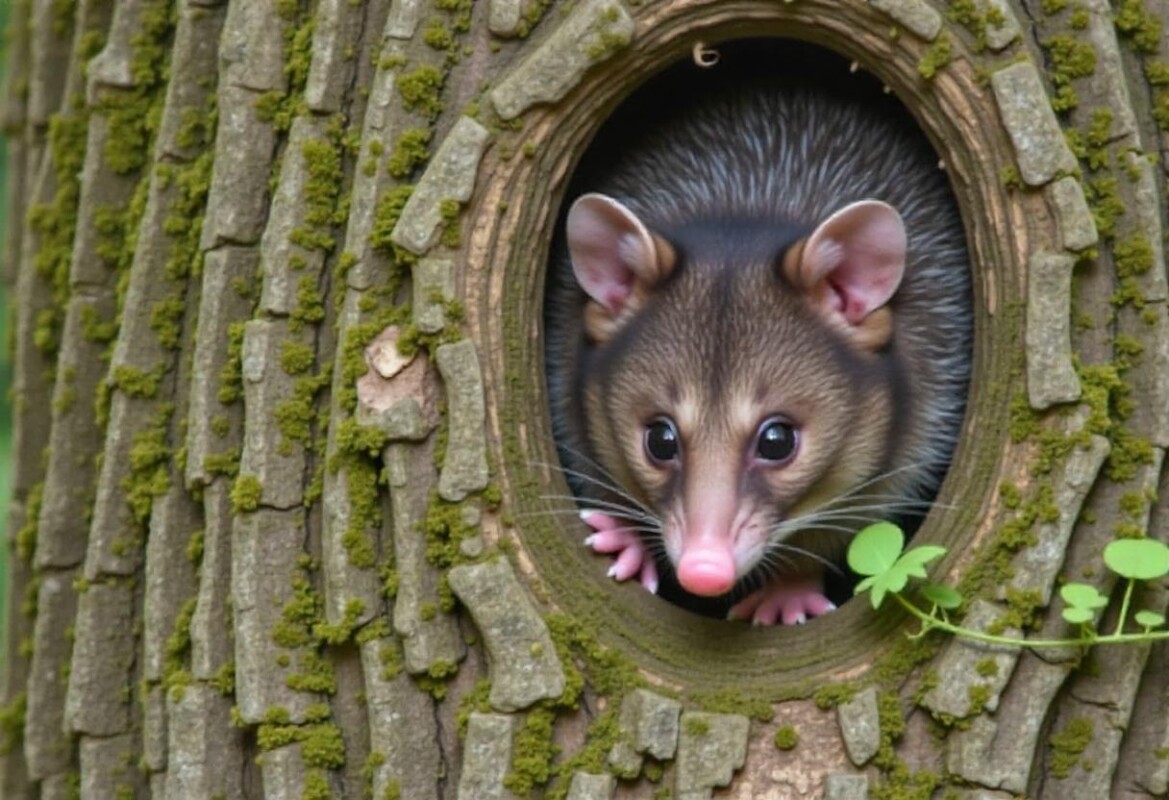
Possums are protected under Australian law, meaning they cannot be harmed or relocated beyond 50 metres from where they were found. Instead of trying to remove them completely, providing an alternative shelter can encourage them to stay away from your home.
How to Offer a Safe Alternative
Install Possum Nesting Boxes: Secure a wooden nesting box in a nearby tree to give possums a safe place to live.
Leave Natural Bushland Undisturbed: If possible, retain some dense vegetation to allow possums a natural habitat away from your home.
Ensure the Nesting Box is Appealing: Use native branches and leaves inside to make the box more inviting.
Encouraging possums to move into these alternative spaces reduces the chances of them invading your roof or walls.
Seeking Professional Possum-Proofing Services
If you’re struggling to keep possums out despite taking preventive measures, professional assistance may be the best solution. Experts in possum-proofing can assess your home and implement long-term strategies tailored to your specific situation.
Benefits of Hiring Professionals
Thorough Home Inspection: Identify hidden entry points you may have missed.
Humane Possum Removal: If a possum is already inside, licensed professionals can safely remove it.
Guaranteed Results: Professional proofing ensures long-term protection against possums.
If you need expert help, 1800 Possums offers effective possum-proofing solutions. Our team specialises in identifying and blocking possum entry points, using humane and environmentally friendly methods to keep your home possum-free.
Conclusion
Possum-proofing your home involves a combination of blocking entry points, removing food sources, using deterrents, and providing alternative habitats. By following these steps, you can ensure that your home remains possum-free without harming these native animals.
Taking action now will prevent potential property damage and sleepless nights caused by these nocturnal visitors. If you need expert assistance, contact 1800 Possums today. Our friendly team is ready to help you secure your home and keep possums away for good!
Latest Articles