How Local Councils Really Handle Possum Problems (and What They Won’t Tell You)

TL;DR: Councils generally give advice and education rather than remove possums, and legal removals must be carried out by licensed handlers to protect the animals and residents. Secure entry points, avoid feeding wildlife, and seek licensed help if problems continue.
Key Takeaways:
- Councils provide guidance and resources but usually do not offer removal services.
- Only licensed professionals can legally trap or relocate possums; DIY removal risks fines and harm.
- Prevent problems by sealing entry points after confirming the animal has left, installing nest boxes, and avoiding feeding.
- Persistent issues need licensed intervention for humane removal and long-term proofing.
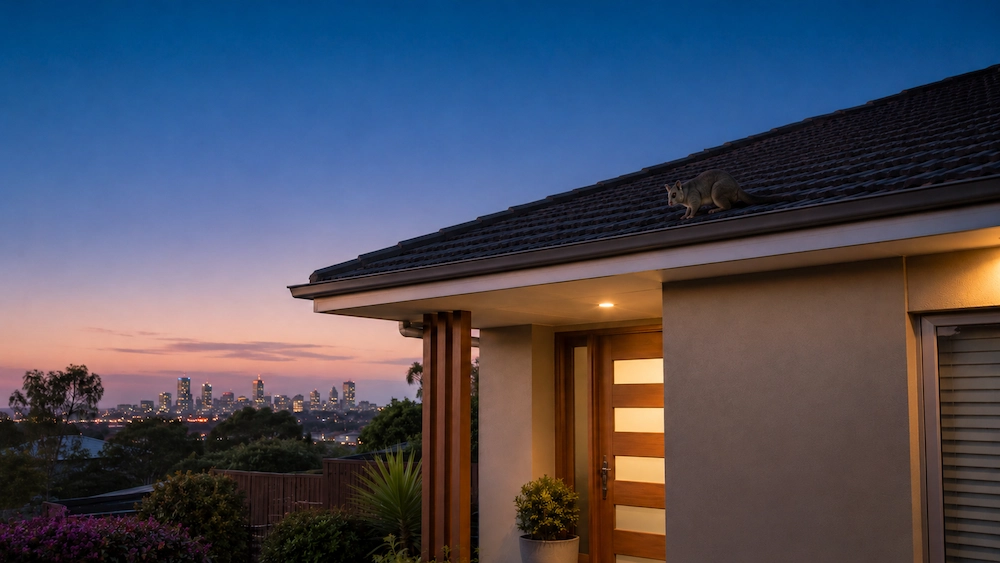
Australia’s possums are charming, resilient, and a vital part of the country’s native ecosystem. Yet, when they find their way into roofs, sheds, or wall cavities, they quickly become unwelcome guests.
Many homeowners turn to their local council for help, but few know exactly how councils handle possum complaints or what advice they actually give.
This guide explains how local councils across Australia manage possum issues and outlines their typical advice for residents.
Understanding Council Responsibilities
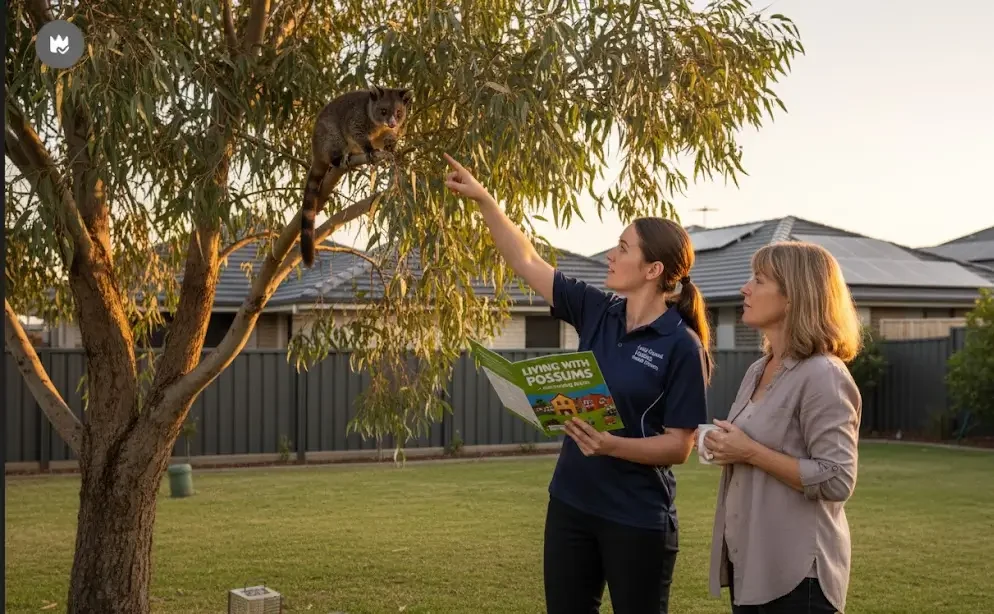
Every council in Australia has wildlife management policies, but their role is largely educational and advisory. Councils work to balance community comfort with wildlife protection, not to remove animals directly.
Most councils do not provide a possum removal service. Instead, they direct residents to licensed wildlife handlers and share resources on living alongside native species.
Councils Prioritise Animal Protection
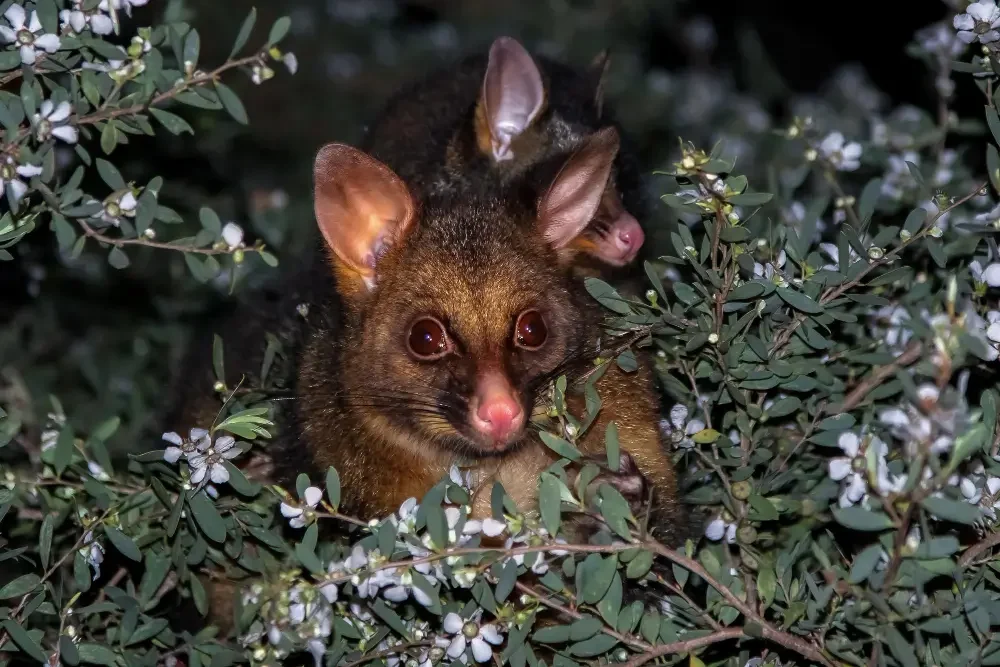
Possums are protected under state and federal wildlife laws. Councils emphasise that harming, trapping, or relocating a possum without a licence is illegal. Their advice focuses on humane coexistence and legal management strategies.
If you contact your local council about a possum issue, expect them to provide information sheets or website links outlining approved methods for discouraging possums, along with contact details for authorised operators.
The Legal Framework Around Possum Control
- Only licensed professionals may trap and relocate possums, and relocations are usually limited to within 50 metres of the capture site to reduce stress and prevent harm.
- DIY removal is illegal and can attract fines, and untrained attempts risk injury to both you and the possum.
- Councils emphasise animal welfare and require handlers to follow state wildlife regulations and Department of Environment and Heritage guidelines.
- If you suspect young in the nest, do not seal exits or attempt removal; contact a licensed handler who can assess the situation and use humane one-way exits or timed removals.
Common Advice from Australian Councils
Local councils across Australia consistently recommend preventive measures to minimise possum problems before they start. Here are the main strategies they advise homeowners to follow.
1. Identify and Seal Entry Points
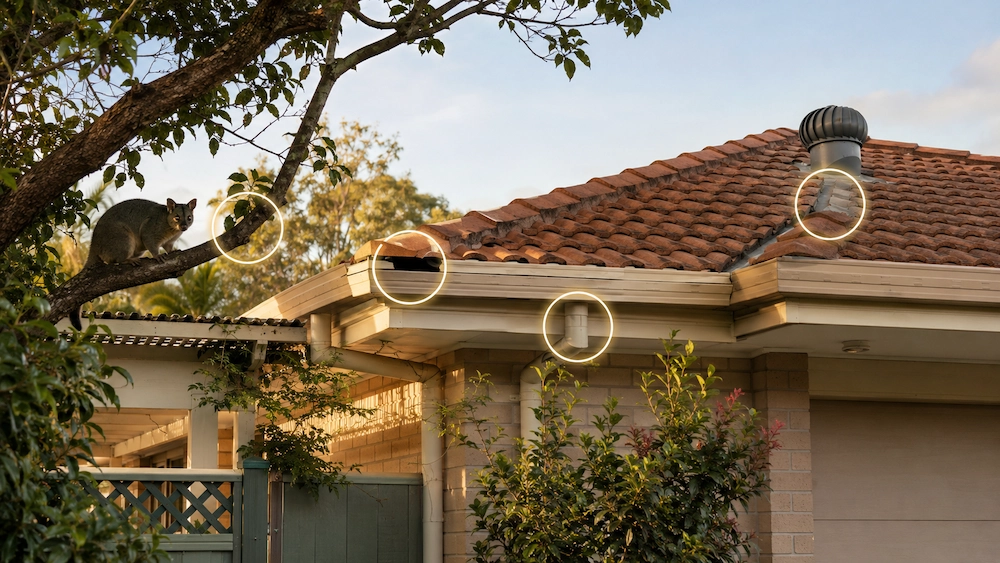
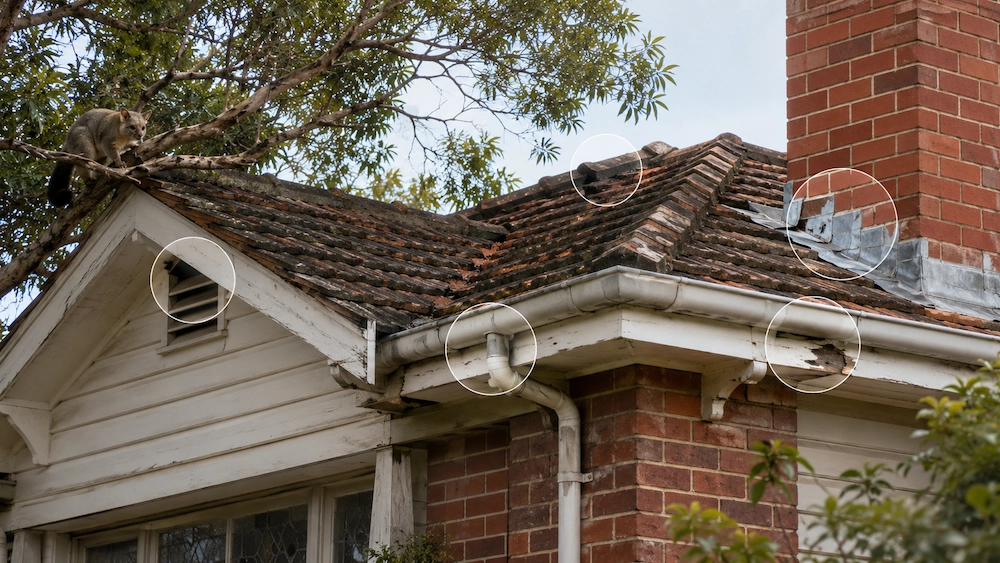
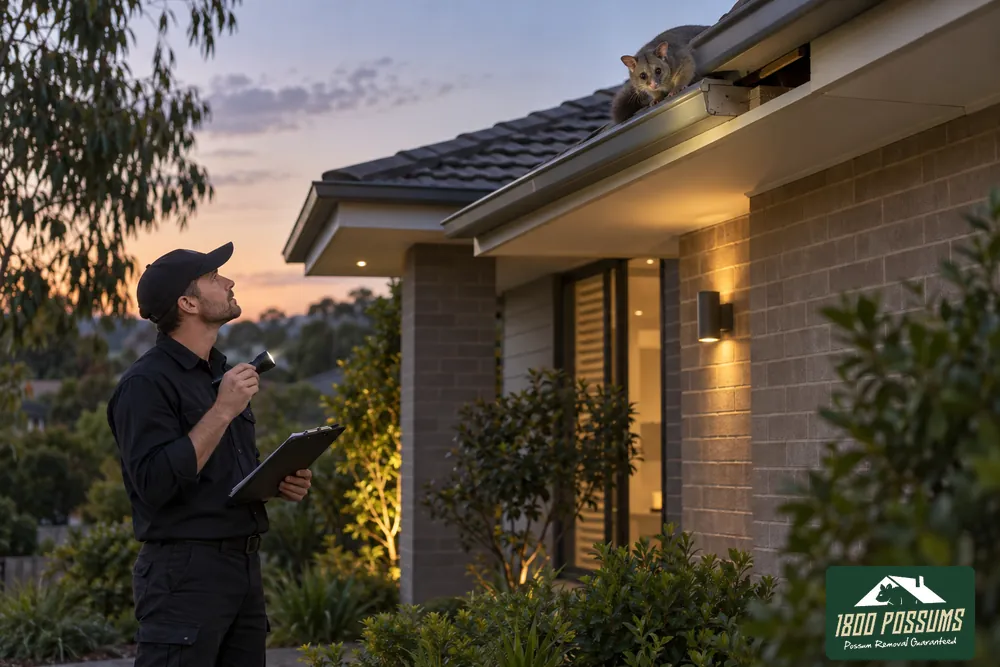
Possums are nimble climbers and can slip through surprisingly small gaps, so a tiny hole in a soffit or loose tile can be an open invitation. Councils suggest checking roofs, gutters and eaves for loose tiles, torn flashing, gaps around vents, and signs like greasy rub marks or droppings that show where possums move.
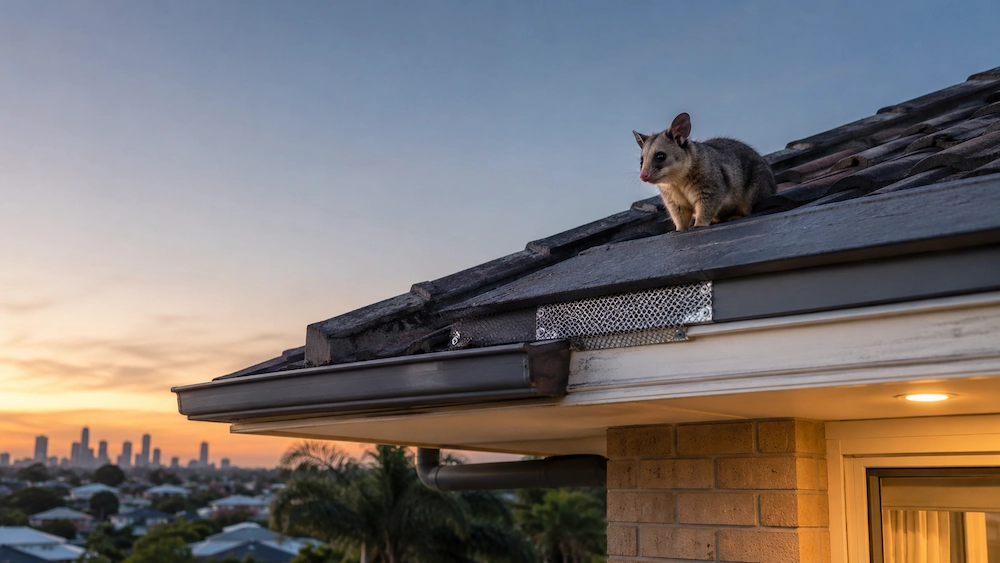
Do not seal openings until you are sure the possum is gone, as trapping an animal inside causes distress and may breach regulations. A licensed handler can use humane methods such as one-way exits and timed inspections to confirm the animal has left before the hole is closed for good.
If you want to proactively protect your property, read the benefits of possum-proofing your home for practical, long-term measures you can take.
2. Don’t Feed Possums
Feeding possums can feel like the kind thing to do, but councils warn it teaches the animals to rely on people and to defend a territory, which often ends with them returning to roofs, sheds or gardens.
Councils recommend planting native vegetation and keeping natural habitat features instead, so possums can find food and shelter without being drawn into your home.
3. Offer Nest Boxes as Alternatives
Many councils now recommend installing outdoor nest boxes as a kinder alternative to possums nesting in your roof, because a box gives the animal a safe shelter without putting your home at risk.
A licensed wildlife controller can advise on the right box size, height and placement, and can show how to install it so the possum uses the new home instead of returning to your roof.
4. Use Safe, Short-Term Deterrents
To discourage possums temporarily, councils often suggest simple measures like bright lights, motion-activated sprinklers or scent repellents such as garlic or camphor sprays, which can make your roof or garden less inviting to a passing animal.
These short-term tricks might work for a night or two, but a determined possum often returns, so if the problem keeps happening it is worth getting a licensed handler to assess and fix the situation humanely and legally.
When Council Advice Isn’t Enough
Council information is helpful for prevention, but possums are intelligent and territorial. Once they decide your roof is home, they rarely leave on their own.
If noise, odours, or droppings persist despite following council advice, it is time to call licensed professionals. Their expertise helps ensure compliance with wildlife laws and produces long-lasting results.
Licensed handlers can identify hidden nesting areas, safely remove possums and their young, and install one-way exits and barriers to prevent future access.
What Different Councils Advise (and Why It Matters)
- City of Melbourne: Directs residents to licensed wildlife handlers and discourages self-removal; for local guidance see Melbourne possum control services.
- Brisbane City Council: Promotes roof inspections, sealing, and use of nest boxes.
- Sydney City Council: Focuses on education, offering online resources about possum behaviour and legal removal.
These examples reflect a nationwide pattern: councils educate, but they don’t act. It’s up to homeowners to seek professional assistance.
Why Councils Recommend Licensed Experts
Councils consistently refer residents to trained wildlife handlers because unlicensed removal can breach the National Parks and Wildlife Act and cause animal suffering. Professionals understand possum behaviour and comply with Department of Environment and Heritage regulations.
Licensed operators ensure humane treatment, safety, and legal compliance while protecting your home from future infestations.
Practical Steps to Take Before You Call a Handler
- Note times and sounds, logging when you hear noises and any sightings to show patterns.
- Photograph signs such as droppings, rub marks or damaged tiles, but avoid touching the animal or nest.
- Keep children and pets indoors on inspection day to reduce stress and risk for everyone.
- Clear safe access around eaves, gates and roof entries so the handler can work quickly and safely.
Why Choose 1800 Possums
1800 Possums has worked with councils and wildlife departments across Australia to deliver humane, legal and effective possum solutions, drawing on hands-on experience in real homes. Their team inspects roofs, confirms animal presence and uses non-invasive methods so the job is done properly and with care.
They also focus on long-term prevention, from sealing entry points to installing external nesting options that stop possums returning to your roof; for full details see the Possum Removal Services page: Possum Removal Services.
Take Council Advice Further, Call the Experts
local council possum advice Australia, but they stop short of removing possums. For complete, long-term results, trust the experts who work in alignment with council regulations.
Don’t let nocturnal noises or roof damage disrupt your peace. Book your inspection with 1800 Possums today and get humane, council-approved possum removal anywhere in Australia.
Contact their friendly team for a free quote or same-day assistance.
Latest Articles