Where Do Possums Enter the House? Your Definitive Guide to Identifying Entry Points
TL;DR: Possums entering your home? Identify roof gaps, wall openings, and tree access points, then call pros for humane removal and proofing.
Summary: Unwanted possums often find their way into homes via weak points like compromised roofing, unsealed wall openings, and nearby tree access. This guide equips homeowners with the knowledge to pinpoint these vulnerabilities and recognize the tell-tale signs of an infestation. Identifying these crucial entry points is key to effectively implementing professional, humane removal and durable possum-proofing solutions, ensuring your property remains secure.
The tranquil Australian night can quickly lose its appeal when thumps and scratches betray an uninvited possum in your home. While charming outdoors, their indoor presence swiftly becomes a nuisance, causing structural damage and hygiene concerns. This guide empowers homeowners to become detectives, exploring common routes these agile creatures exploit and the undeniable signs they leave. Understanding precisely where possums enter the house is the vital first step in safeguarding your home and regaining peace of mind.
Understanding Possum Motivation: Why They Seek Shelter in Your Home
To effectively identify their entry points, grasp why possums seek shelter. Their motivations are practical, rooted in survival and reproduction:
- Sanctuary from the Elements: Your roof cavity or wall voids offer perfect, insulated refuge from Australia’s harsh heat, heavy rains, and cold nights, providing consistent protection their natural habitats might lack.
- Safety from Predators: Your home provides a secure, predator-free sanctuary from threats like owls, dingoes, and domestic animals, allowing undisturbed rest and safe rearing of young.
- Ideal Breeding Grounds: A quiet, secluded roof or wall cavity is a prime nursery. A mother possum will fiercely defend this nesting site, complicating removal if not handled by professionals.
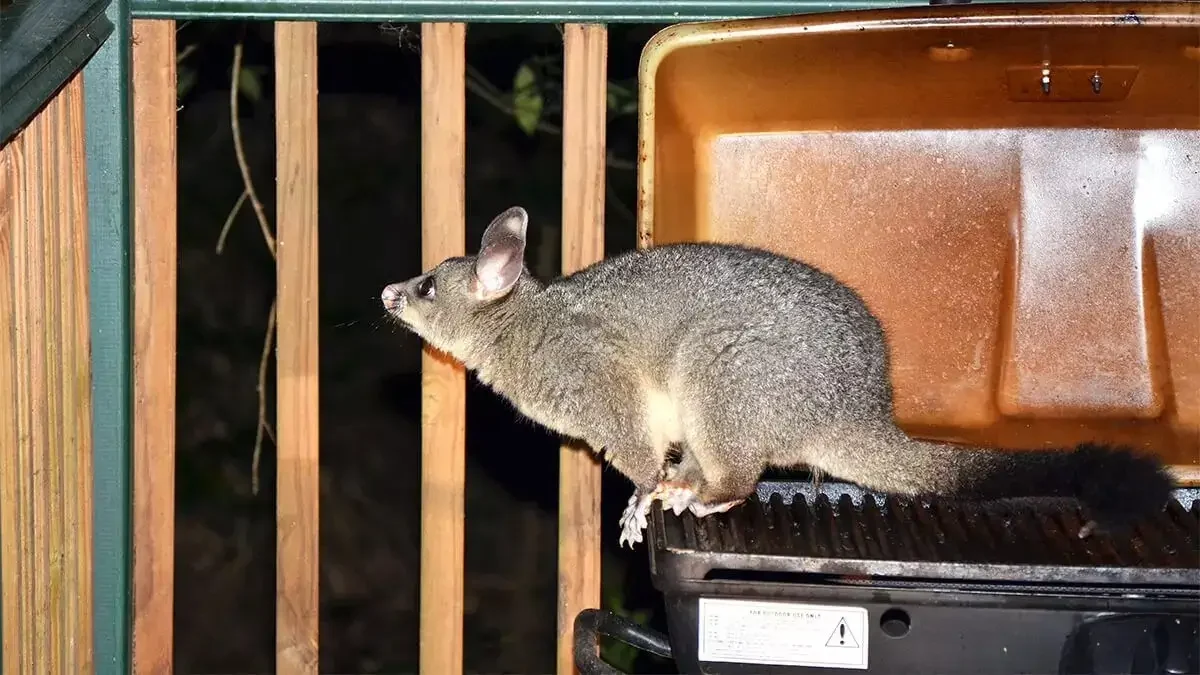
- Easy Access to Sustenance: Proximity to homes often means effortless access to food sources like backyard fruit, outdoor pet food, compost, or unsecured rubbish. Why forage when a convenient meal is steps away from a safe den?
Unknowingly, your home becomes an irresistible haven for possums seeking comfort, security, and sustenance.
Common Entry Points: Where Possums Sneak In
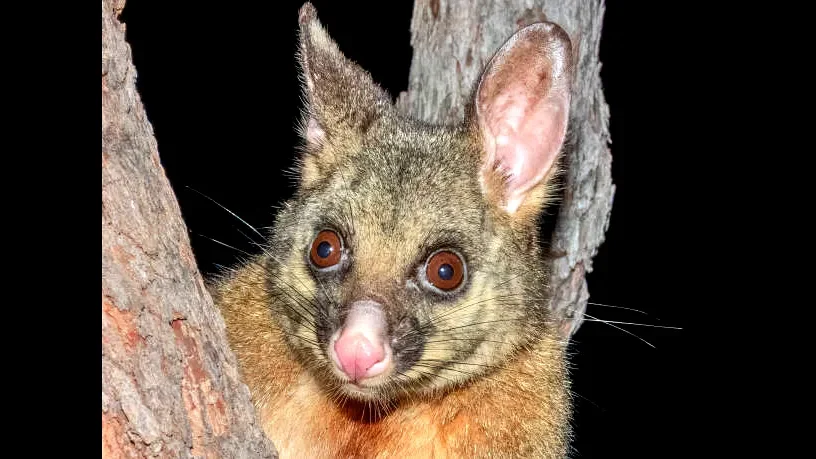
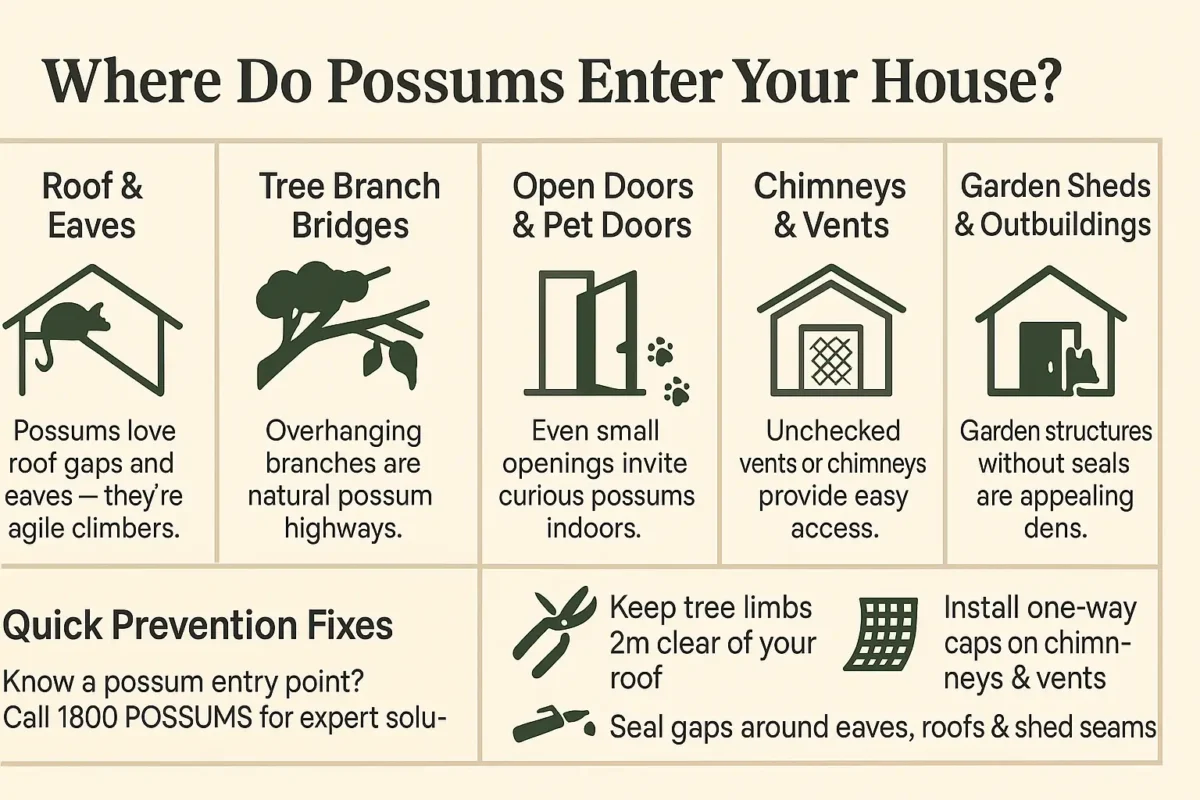
Possums are remarkably agile, exploiting even the smallest vulnerabilities. Knowing where possums enter the house demands a meticulous inspection of critical areas; even a tiny gap can be an open invitation.
1. The Roofline: A Possum’s Preferred Highway
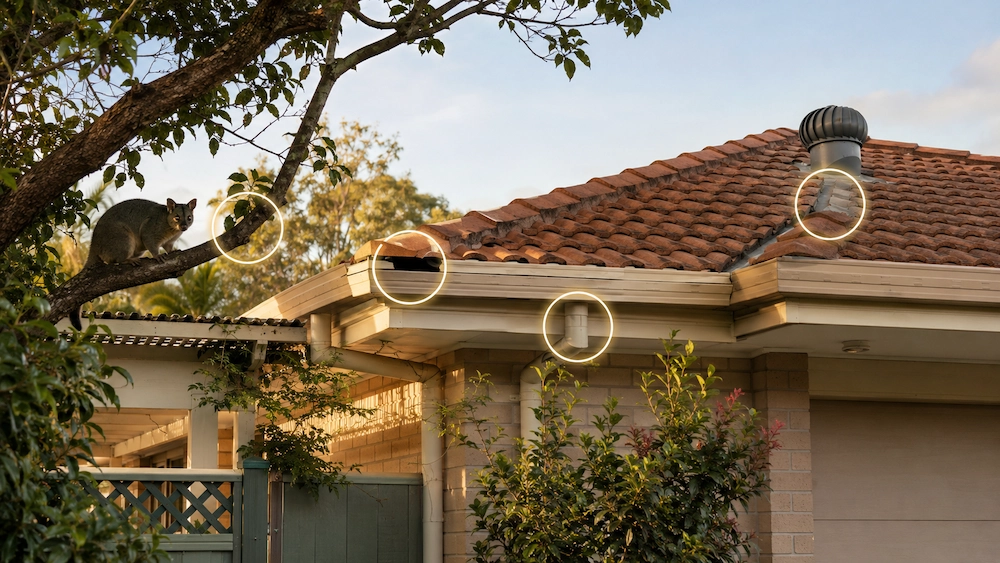
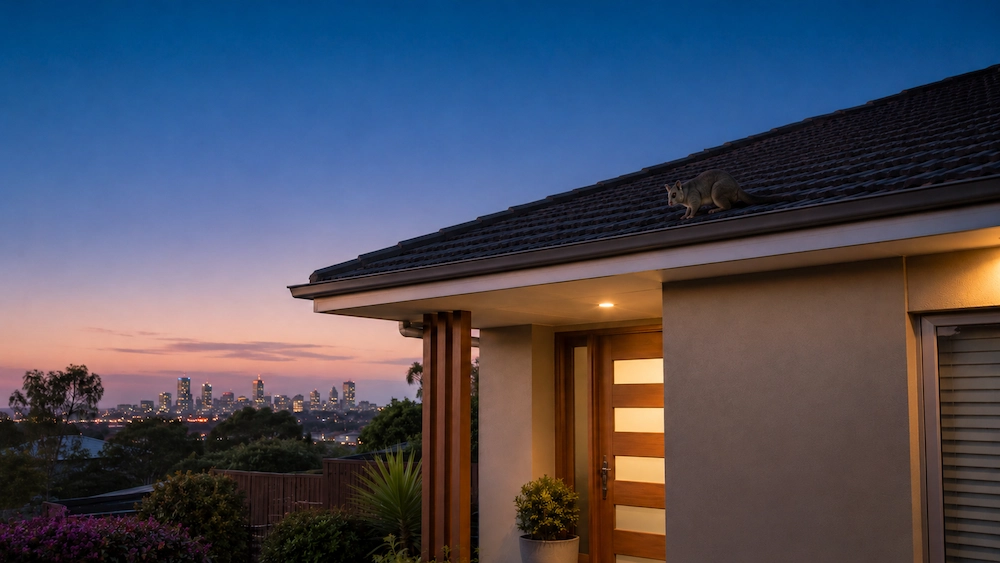
Your roof and its perimeter are, unequivocally, the most frequent entry points. Consider it a broad, inviting highway for nocturnal explorers:
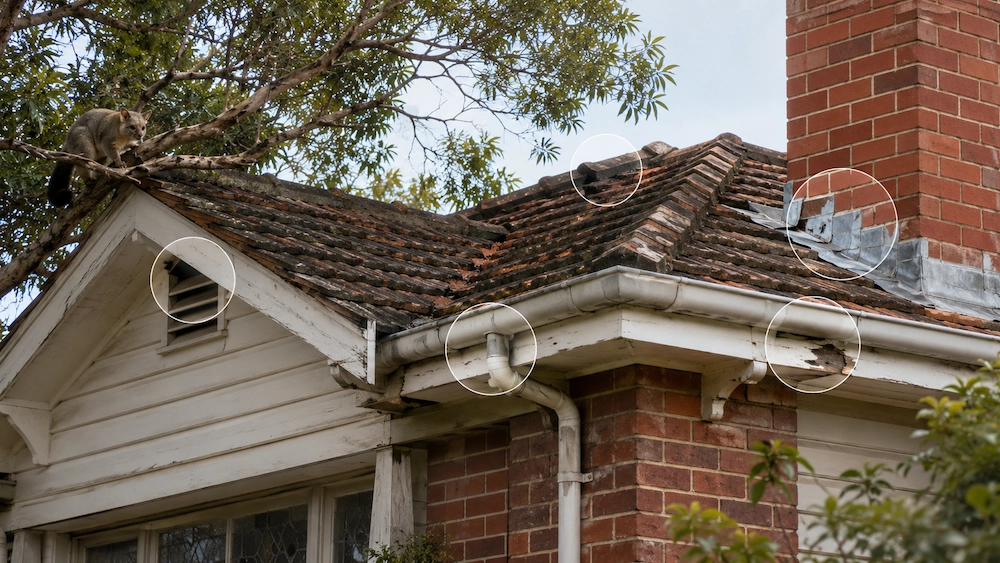
- Loose, Broken, or Dislodged Tiles/Shingles: A single cracked, shifted, or missing tile creates a surprisingly large opening, especially with gaps beneath. Older homes with terracotta tiles are particularly vulnerable.
- Damaged Fascia Boards and Eaves: Rotting timber, minor gaps, or pulled-away fascia boards provide direct paths into your roof cavity. Damaged or unsealed eaves offer another access point.
- Compromised Vents: Roof vents, whirlybirds, and gable vents are crucial for ventilation, but if their mesh is damaged or missing, they become open invitations. Brittle plastic vents are common culprits.
- Gaps Around Chimneys, Skylights, or Solar Panels: Any roof penetration needs meticulous sealing. Degraded flashing or poorly installed solar panel mountings can create tiny voids possums quickly exploit.
- Openings in Ridge Capping: If the ridge capping at your roof’s peak is aged, cracked, or loose, it allows direct entry into the roof space.
2. Walls & Foundations: Subtle Ingress Points
Though less common, possums are opportunistic, ready to exploit weaknesses in your walls and at ground level:
- Cracks in Brickwork or Gaps in Cladding/Siding: Older properties may develop cracks in mortar or gaps between bricks. Timber or fibre cement cladding can have unsealed sections, warped panels, or shifted boards creating subtle entry points.
- Unsealed Openings Around Utilities: Any utility line entering your home (pipes, wires, cables) requires a tight, sealed fit. Often, oversized or poorly patched holes become ready-made possum entrances, especially if hidden by shrubs.
- Damaged or Missing Subfloor Vents: If the mesh covering subfloor vents is rusted, broken, or absent, possums can easily enter your subfloor space and potentially chew their way into wall cavities.
- Gaps Under Decks, Verandas, or Sheds: If a deck, veranda, or shed adjoins your house with unsealed gaps at its base, possums can burrow underneath and find a path into your subfloor or wall spaces, often unnoticed.
3. Trees & Vegetation: Nature’s Ladder
Often overlooked, the surrounding landscape provides possums with a direct launchpad to your property:
- Overhanging Tree Branches: A classic method. Any tree branch extending within a few metres of your roofline or walls serves as a convenient “possum bridge,” allowing them to transition directly onto your roof.
- Vines Growing Up Your House: Dense ivy or other robust climbing plants offer excellent cover and a sturdy, natural ladder, bringing them dangerously close to roof or window vulnerabilities.
Signs of Possum Activity: Evidence They’re Already Inside
Knowing where possums enter the house is half the battle; the other half involves recognizing their undeniable signs of presence or persistent attempts at entry.
- Unsettling Noises: The first clear indicator. Listen for:
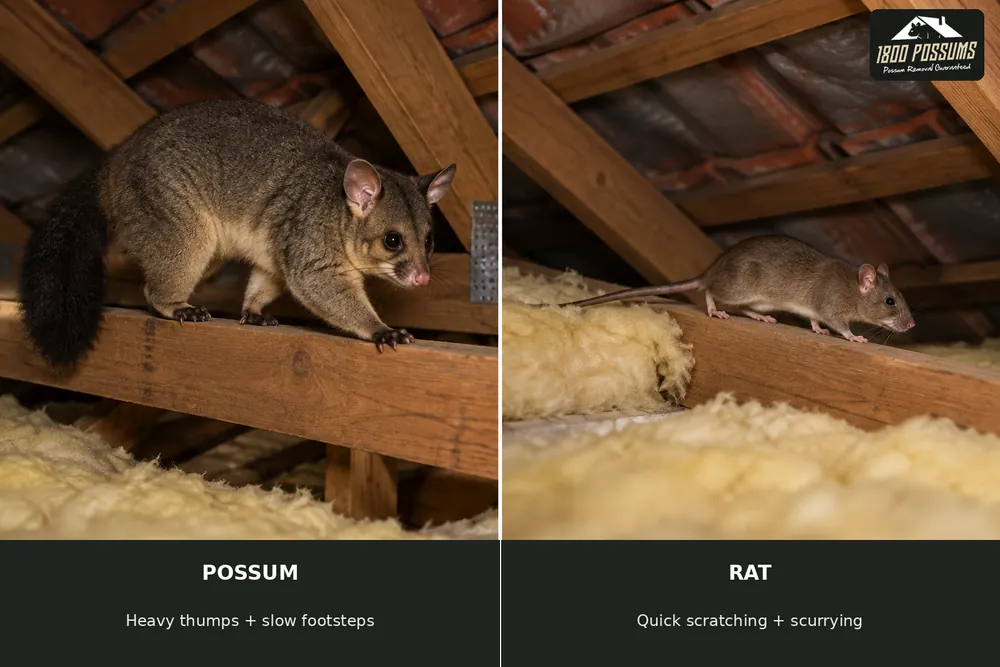
- Heavy Thumps or Footfalls: Distinct from rodent scurrying, suggesting larger possums moving across your ceiling.
- Scratching or Scrabbling: Sounds as they move or attempt to enlarge openings.
- Vocalizations: Hissing, chattering, or growling if threatened, during disputes, or breeding.
- Activity at Dawn and Dusk: Possum activity peaks as the sun sets and rises.
- Distinctive Droppings: Dark, elongated pellets (approx. 1-2 cm), often found in roof spaces or near entry points.
- Pervasive Odour: A strong, musky smell from possum urine and faeces, saturating insulation and timber.
- Visible Damage:
- Chewed Materials: Gnaw marks on timber, electrical wires (a serious fire hazard), or insulation.
- Dislodged Roof Components: Broken or shifted roof tiles, or obvious damage during rainfall.
- Rub Marks: Greasy streaks along pipes, walls, or at entry points from repeated passage.
- Garden and Fruit Tree Damage: Stripped fruit trees, raided gardens, or chewed plants suggest a possum, often attempting home access from the garden.
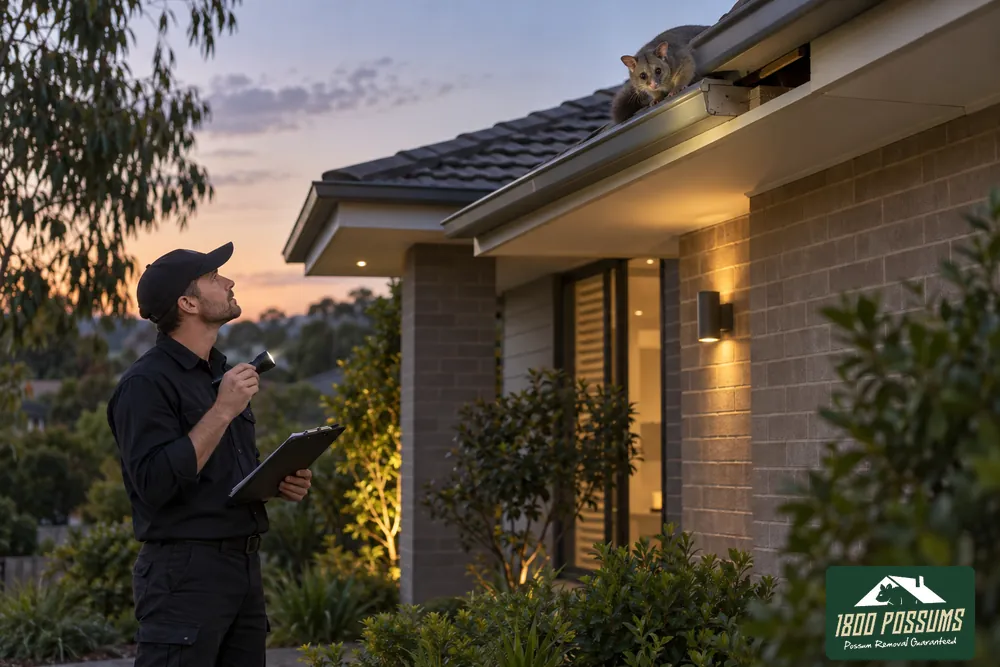
- Direct Sightings: Repeatedly observing a possum on your roof, near a specific part of your house, or witnessing entry/exit, particularly during twilight hours.
Your Inspection Checklist: Finding the Entry Points
With knowledge of what to seek, conduct your initial property inspection:
- Optimal Timing: Confirm active entry at dusk or dawn. Observe your house to spot entry/exit.
- Essential Tools: Strong flashlight, binoculars (for roof), and a sturdy ladder (use cautiously, ideally with a spotter).
- Systematic Approach:
- Perimeter Walk-through: Examine foundation, subfloor vents, and utility entry points for gaps.
- Ground-Level Scan: Inspect beneath decks, sheds, and verandas for burrowing or unsealed gaps.
- Roofline Survey: Use binoculars to scan for cracked tiles, gaps in fascia, damaged vents, or dislodged flashing.
- Overhanging Vegetation: Identify any tree branches or dense vines within a few metres of your roof/walls.
- Listen and Observe: Remain attentive to sounds or movements.
Crucial Safety Note: Never attempt hazardous roof climbs or enter confined spaces if uncertain of risks. Possums can be aggressive, and roof spaces may have hazards. For details on what to do if you encounter an aggressive or injured possum, read: Dealing with Aggressive or Injured Possums: What Melbourne Residents Need to Know.
What to Do Next: From Identification to Resolution
Once you’ve identified entry points and confirmed possum activity, acting responsibly and legally is paramount.
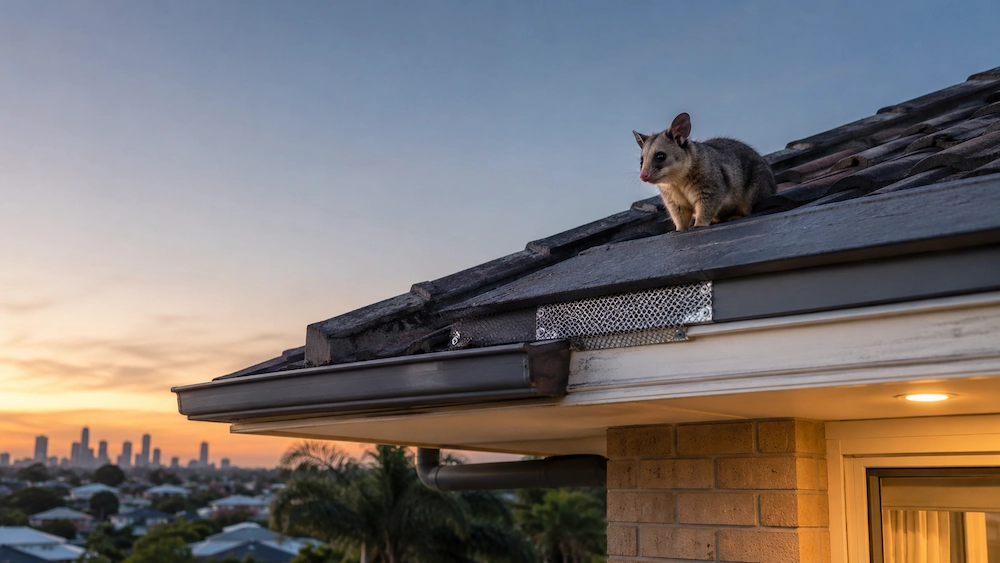
- Do Not Seal Immediately: It’s illegal in Australia to harm possums. Sealing them inside causes suffering, death, terrible odour, and further damage. Possums must exit freely before any sealing.
- The Humane & Effective Approach: The most effective solution is to call professionals. Experts understand possum behavior, possess skills/permits for safe removal, and permanently proof your home. To learn more about professional services, read: What Is Possum Removal? Everything You Need to Know Before Calling a Professional.
Prevention is Key: Sustaining a Possum-Free Home
Once your home is possum-proofed, consistent maintenance and proactive measures are crucial for long-term prevention:
- Trim Overhanging Branches: Maintain a clear 2-3 metre gap between branches and your roofline to eliminate their arboreal bridge.
- Secure Rubbish Bins: Ensure lids are tightly sealed; store bins away overnight to eliminate easy food sources.
- Regular Home Maintenance: Periodically inspect your roof, walls, and vents. Promptly repair any new damage, however minor, as small issues quickly become large entry points. For detailed solutions, explore our ultimate guide to possum-proofing your home.
- Secure Pet Food: Avoid leaving pet food or water bowls outdoors overnight.
- Clear Garden Debris: Remove timber piles or garden waste offering convenient shelter close to your home.
Our Unrivalled Expertise: Your Peace of Mind Partner
When protecting your home from possums, 1800 Possums provides comprehensive, humane, and lasting solutions. Our highly experienced team meticulously identifies and permanently proofs all entry points using durable materials, ensuring your home is sealed against future incursions. We guarantee our seamless, end-to-end service, offering you complete peace of mind that your home will remain possum-free.
Protecting Your Home: Take the Next Step
Identifying where possums enter the house is the critical initial step in addressing an unwelcome possum presence. While empowering to know what to look for, the safest and most effective solution necessitates professional intervention. Humane possum removal coupled with expert possum proofing is the definitive way to secure your home while respecting our native wildlife. If you suspect possums have made your home their new abode, act promptly to prevent further damage and nuisance. Contact 1800 Possums today for expert, humane possum removal and comprehensive possum proofing services in Melbourne and Brisbane. Protect your home and ensure lasting peace of mind.
Latest Articles