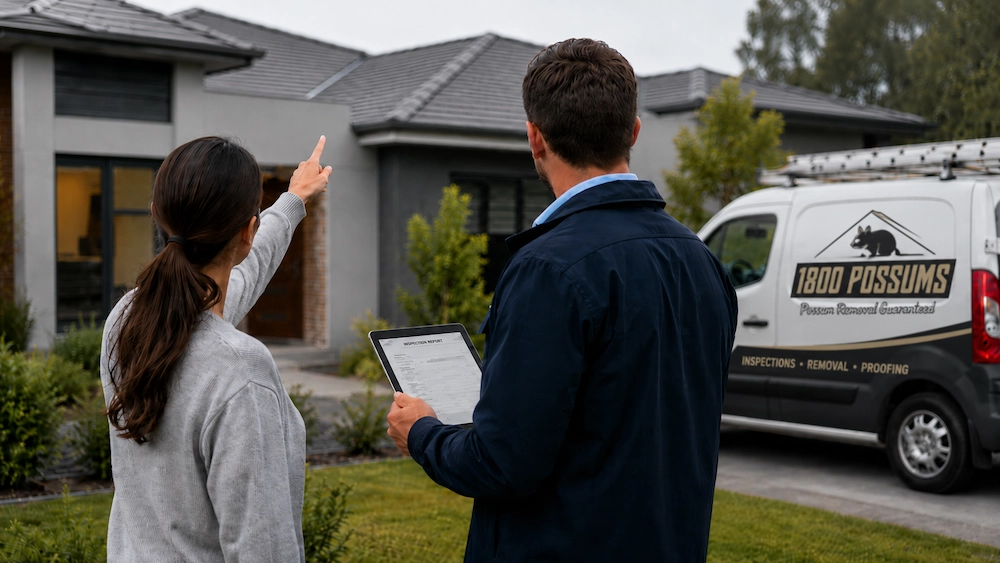


TL;DR: Seasonal weather changes make possums test roofs more often because shelter demand, movement timing, and access conditions shift across the year. Roof noise may come and go with storms, heat, or cold snaps, but repeat problems usually continue until entry points are found and properly proofed.
Key Takeaways:
If roof noise keeps returning when the weather changes, there is usually a reason. In Melbourne, seasonal shifts push possums toward safer shelter, and roof spaces are a common target.
This guide explains why seasonal possum infestations in Melbourne increase, what warning signs to watch for, and how humane removal plus proper proofing helps stop repeat roof visits.
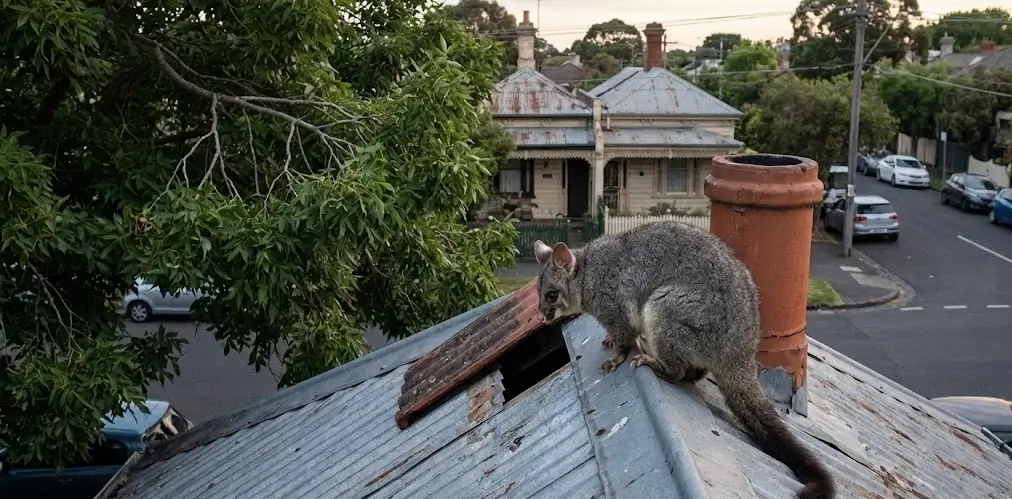
Spring is when many homeowners first realise they have a possum problem, not because possums just appeared, but because their behaviour becomes harder to ignore. A roof that seemed quiet can become active within days once denning behaviour increases.
In spring, possums push harder to find safe shelter, and roof spaces are an easy pick because they are dry, quiet, and protected. A possum that once passed through can start reusing the same entry point, which makes roof noise more frequent.
Regular noise after dusk and before dawn usually means it is not a one-off visit. Musky odours, droppings, or marks near the ceiling line often show the roof space is already part of the possum’s routine.
Summer does not always reduce possum activity in homes, and in many cases it creates a different kind of problem. The biggest trigger is often not possum behaviour alone, but small building changes caused by weather.
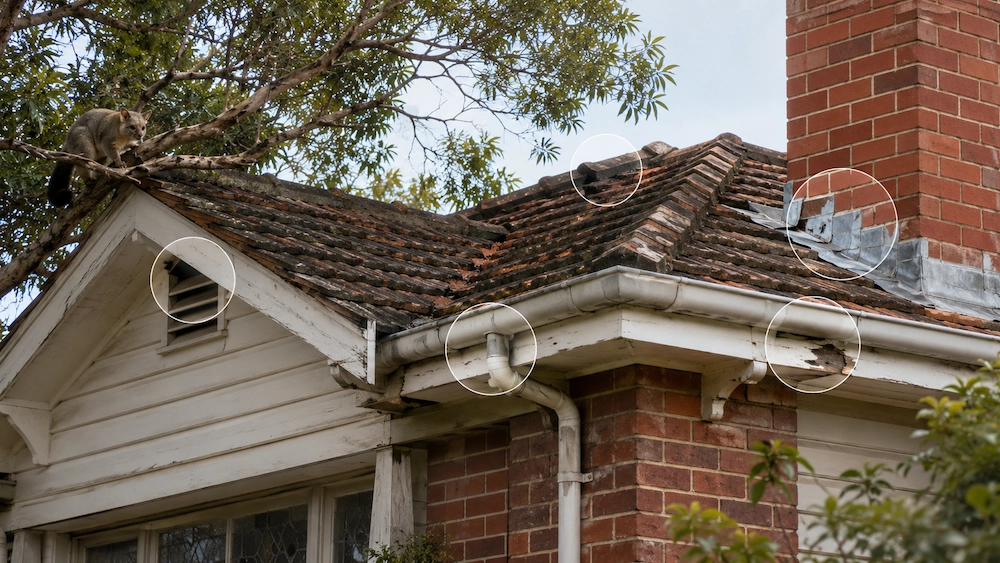
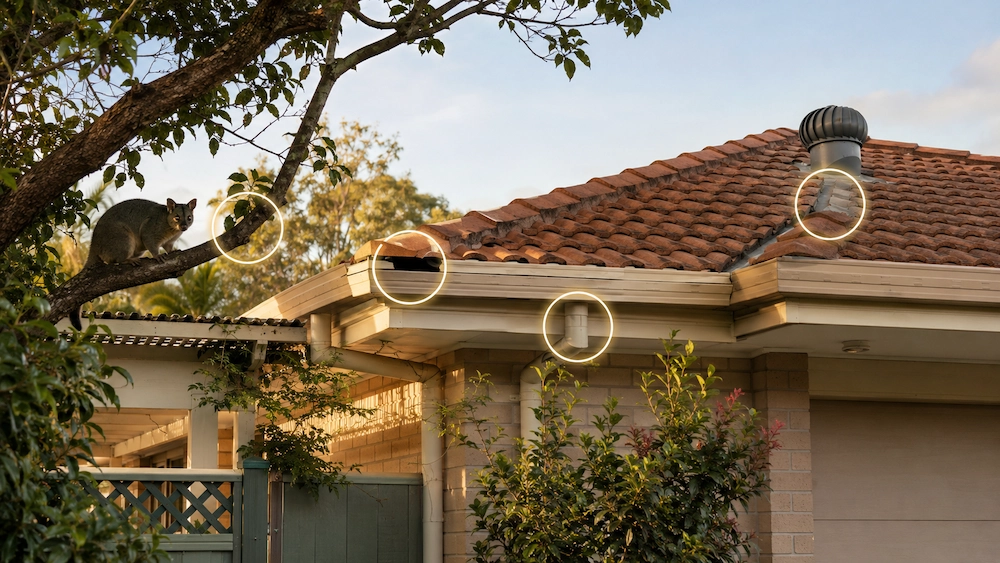
Storms can loosen tiles, shift flashing, and open roof gaps that are easy to miss from the ground. To a possum, those gaps look like safe entry points, which is why weather changes can trigger sudden-looking infestations in Melbourne homes.
Hot summer weather can change when possums move, rest, and reuse familiar routes. If your roof has been used before, the same possum may return through the same entry point, making the problem seem random even though pattern follows temperatures.
Autumn is quieter than spring in many homes, which is why it gets ignored. That is also why it is one of the most important times to act before winter demand for shelter increases.
As autumn cools, roof cavities become more appealing because they stay dry and sheltered. Possums test weak points more often, so homeowners may first hear roof noise after quiet months, especially near trees or in homes with previous possum issues.
Many possum issues start from small roof gaps, especially around older edges and joins. Quick patches often fail because they cover visible damage, not the access route, so possums keep returning through the same entry point.
Autumn is often the best time for inspection and proofing because conditions are usually easier than winter. Waiting longer can mean more contamination, more noise, and a possum that is already settled in.
Winter is when possum activity inside homes feels more constant and more stressful. Once a possum commits to a warm, dry roof during cold or wet weather, it often returns to the same route unless that access point is properly dealt with.
Roof noise may stop briefly, then return when weather gets colder or wetter, making it seem like new possums keep arriving. Often, it is the same possum using the same roof route, and delays usually mean worse smells, mess, and ceiling marks.
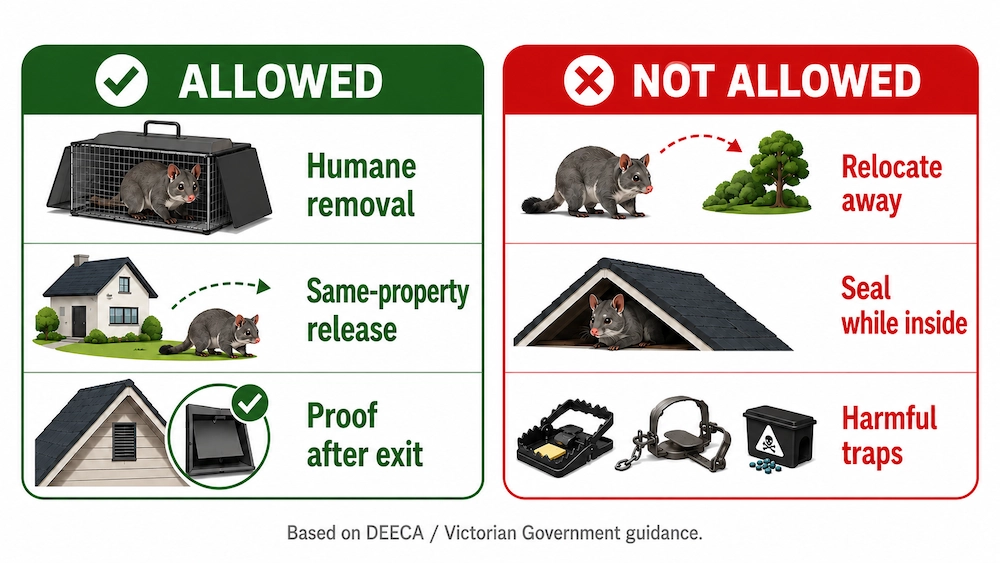
Closed-up homes trap odours in winter, so roof contamination becomes easier to notice. Urine, droppings, and nesting mess can affect indoor comfort. Possums are protected in Victoria, so panic-driven DIY removal can cause welfare issues and legal compliance problems too.
A lot of repeat possum problems start with small roof changes that go unnoticed between seasons. A quick check after storms, heatwaves, or the first cold nights can help you catch issues before roof noise turns into a bigger job.
For a broader seasonal breakdown, read why Melbourne’s seasons send possums into your roof.
If you want a result that lasts beyond this season, the order of the work matters. A quiet roof for a few nights is not the same as solving the cause.
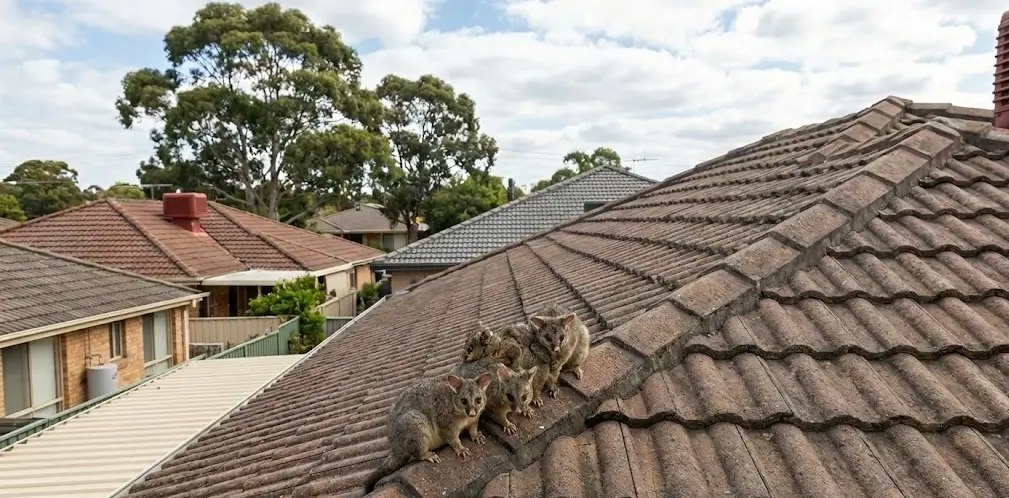
If roof noise keeps coming back, most homeowners do not want another short-term fix. They want to know what is in the roof, how it is getting in, and what will stop it from happening again.
That is why 1800 Possums is a strong fit for Melbourne homes, because the focus is on proper inspection, humane legal removal, and proofing that helps prevent repeat entry. It also means you get a clear diagnosis first, so you are not wasting time and money treating the wrong roof problem.
If you are hearing scratching, thumping, or repeated roof movement, the best time to act is before the next cold front, storm, or busy breeding period. Early inspections usually mean a simpler fix, less contamination, and a better chance of preventing repeat entry.
Book an inspection with us to find out exactly what is happening on your roof.