If a House Has Possums, Could Your Real State Agent Be on the Hook?
TL;DR: Act quickly: check for chewed wiring and other safety risks, alert the owner and tenant, and call a licensed wildlife controller. Photograph everything, get written reports and quotes, and arrange exclusion work and repairs before listing to avoid delays.
Key Takeaways:
- Prioritise safety: call an electrician if wiring is damaged and keep people away from affected areas.
- Inform owner and tenant immediately, and log all communications and photos.
- Use licensed wildlife controllers; never recommend DIY removal or unlicensed trappers.
- Seal entry points and retain before-and-after evidence to show due diligence.
A Quick Guide for Real Estate Agents
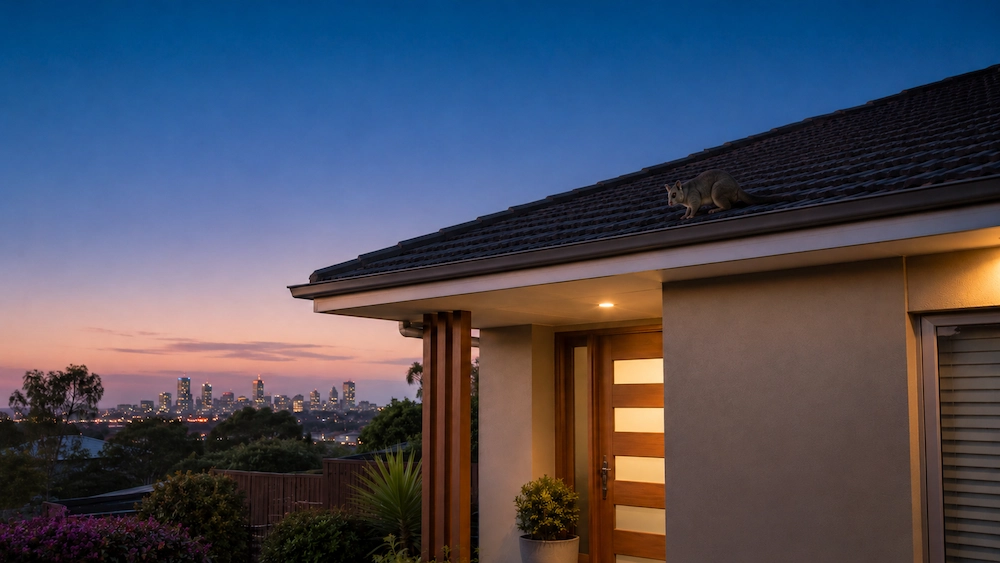
Possums turn up in suburbs all the time, but finding one in a roof or wall can derail an inspection or spook a buyer. If you act fast and keep everyone informed, you stop small problems becoming big ones.
This short guide gives busy agents a simple checklist: how to spot immediate risks, who should pay, and how to get humane, legal removal and follow-up repairs.
Read on for clear, ready-to-use wording and a printable checklist you can use today.

Why This Matters Right Now
Possums in a property are more than a wildlife problem.
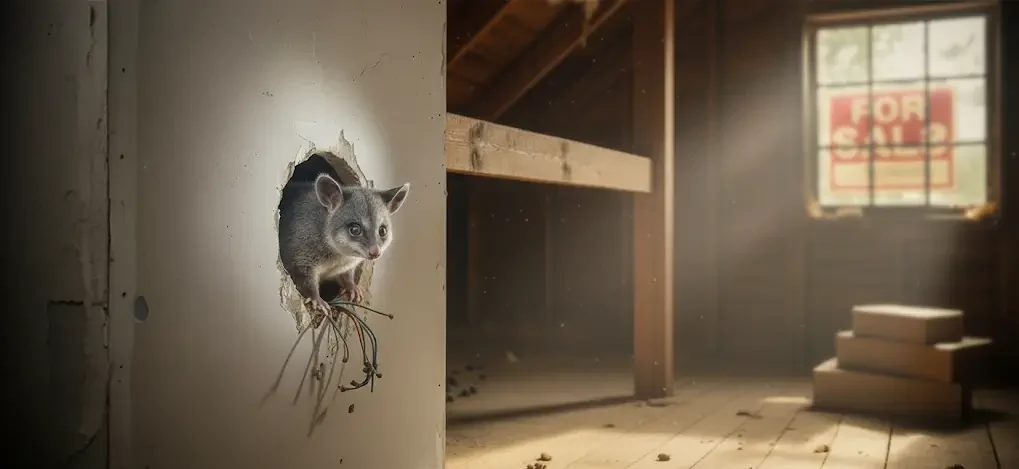
They can chew wiring, ruin insulation and ceilings, create persistent odours and spook buyers or tenants, and in some cases force urgent repairs under tenancy rules.
How you respond as the agent affects your client, your reputation and whether the sale or lease goes ahead without costly delays.
Dealing with the issue promptly and professionally usually saves time and money later.
What Every Agent Must Know at First Sight
Spot the Immediate Risks
Check the roof, cavity or garden for these easy-to-spot signs:
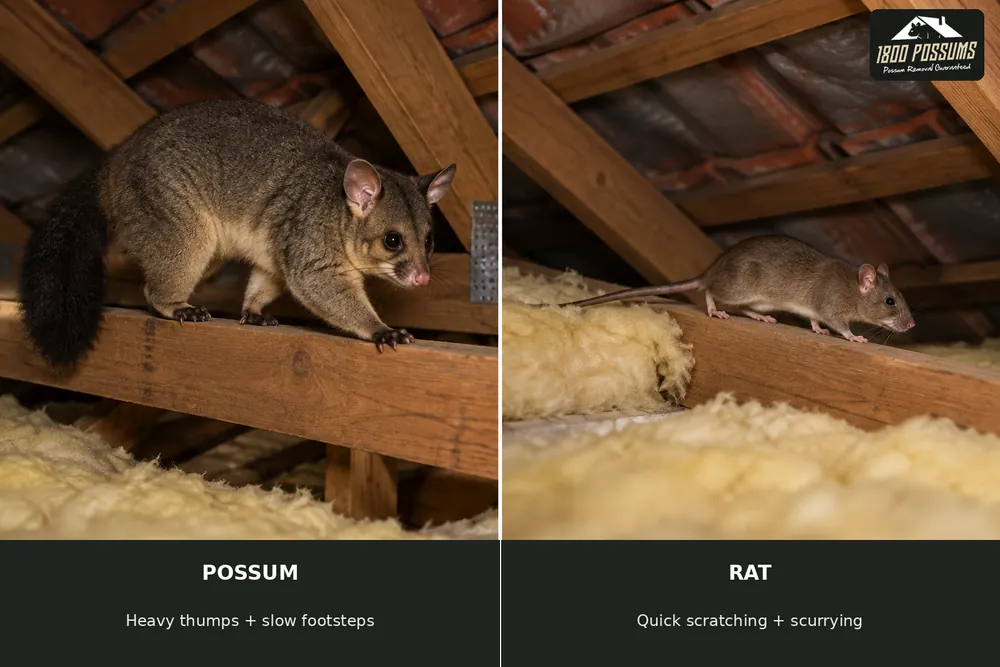
- Scratching or thumping noises in the ceiling at night.
- Droppings or soiling in the roof space or loft.
- Torn, pushed-out or missing insulation.
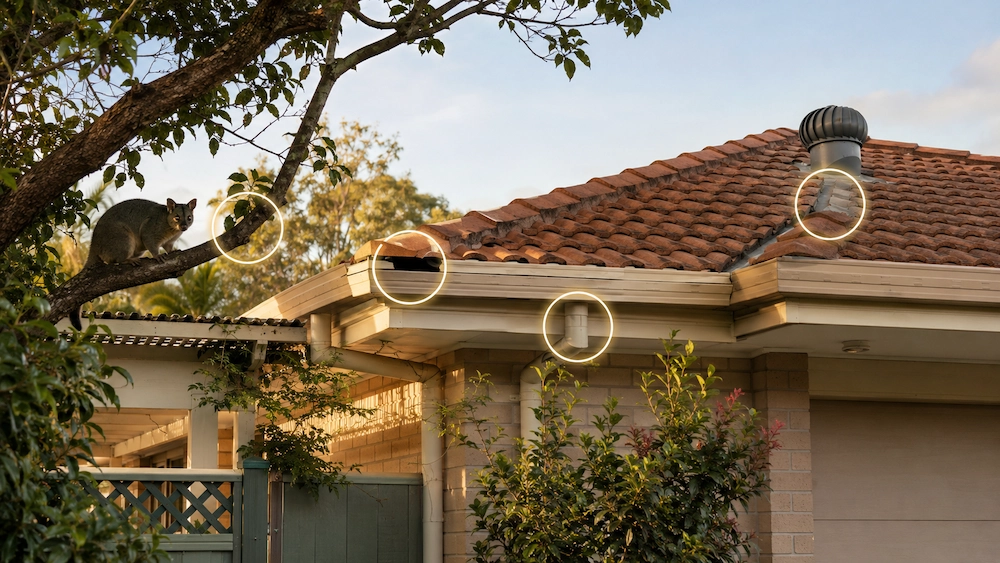
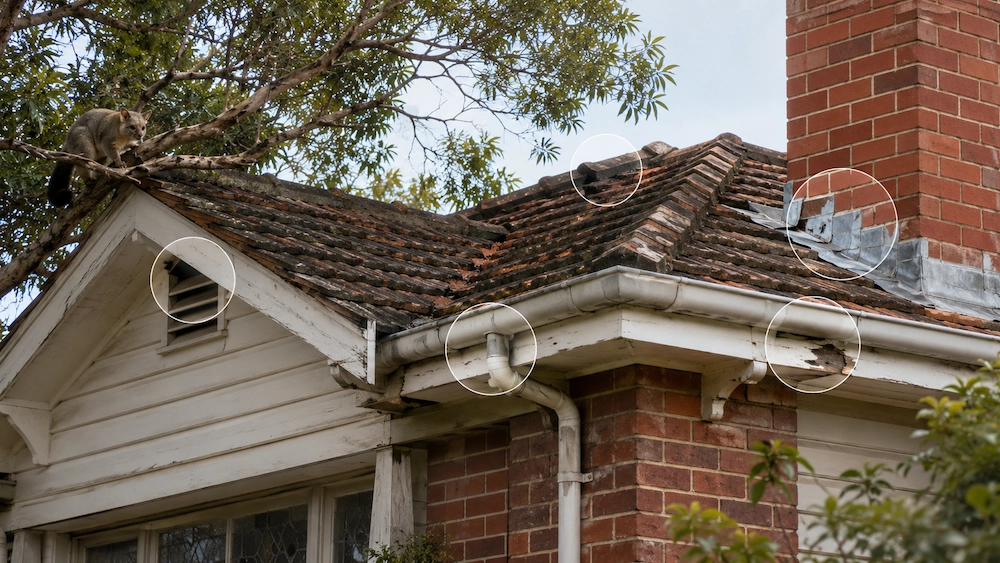
- Entry holes or gaps under eaves, around vents and along rooflines.
- Chewed or frayed electrical wiring or loose cables.
If you see chewed wiring or notice a strong ammonia smell from droppings, treat it as an urgent safety issue and arrange for a licensed electrician and a wildlife controller to inspect straight away.
Record What You Find
Take dated photos, note times, and log tenant or owner reports. A short written file keeps actions transparent and protects you if questions arise later.
Who’s Responsible? Owner, Agent or Strata?
For Properties on the Market to Sell
As the agent, you must disclose any known issues that materially affect the property’s value or safety, and an active or hidden possum problem often counts as such a defect.
The safest course is to notify the owner, record the issue and arrange a professional assessment with a written report before marketing the property.
For Rented Properties and Property Management
Most Australian residential tenancy guidelines treat pests and vermin as maintenance matters. If a possum is present at the start of a tenancy or due to structural issues, the landlord usually has to fix it.
If the infestation appears during a tenancy, advise the landlord promptly and manage the repairs process so tenants remain safe.
For Strata and Shared Buildings
Where a possum has taken up residence in common property such as a shared roof void, the strata body often carries responsibility.
Get the strata manager involved quickly and follow the committee’s instructions on hiring licensed wildlife controllers or permit holders.
Agent Action Plan
Step 1: Safety first
If there are signs of electrical damage, strong odours from droppings, or aggressive animal behaviour, treat it as urgent.
Arrange an inspection with an experienced possum controller or a licensed electrician if wiring is involved.
Step 2: Communicate Clearly and Early
Tell the owner and tenant exactly what you found, what steps you will take and a realistic timeframe for fixes.
Keep all messages concise, factual and logged, and if viewings are happening tell prospective buyers or their conveyancers when the issue materially affects the property.
Step 3: Arrange Humane, Legal Removal
Many possum species are protected across Australia, so removal needs to be humane and may require a permit or licence.
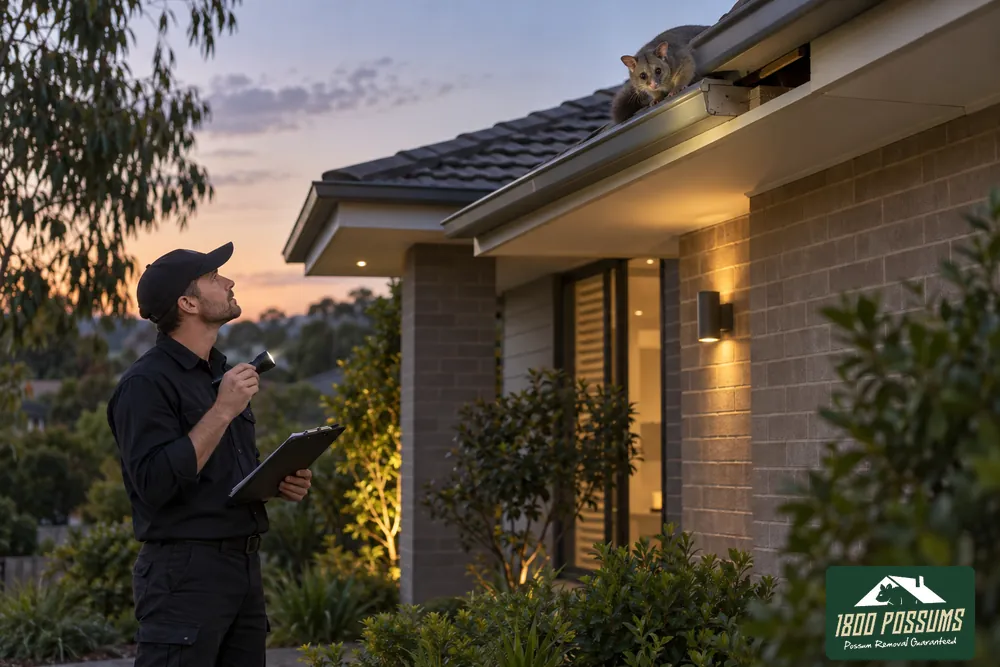
Do not attempt to trap or evict them yourself; call a licensed wildlife controller, or for fast, agent-friendly service and written reports see possum removal services.
Step 4: Seal Entry Points
Removing the animals is only half the job.
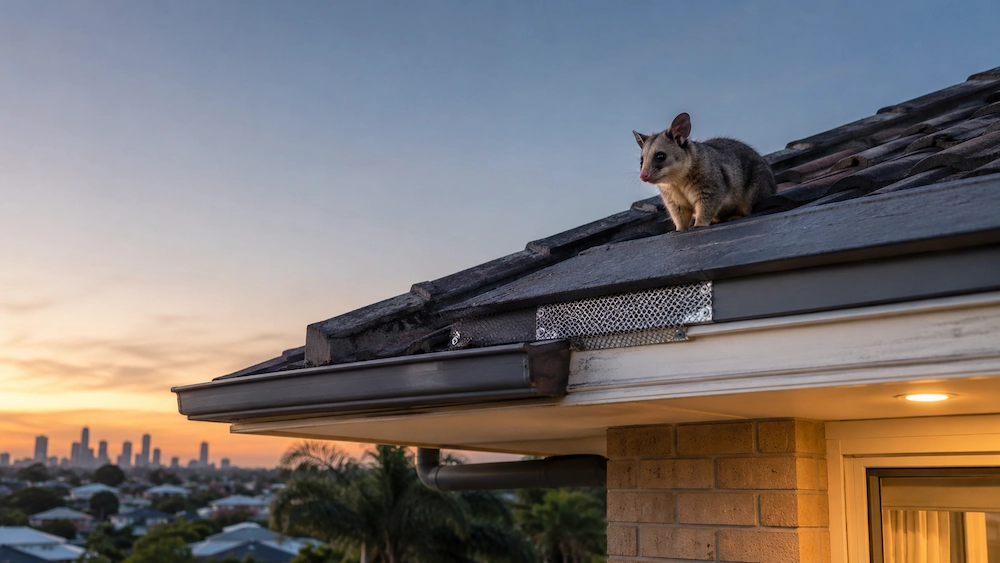
Hire a professional to seal entry points, replace damaged insulation and repair gaps in the roof or eaves, and keep before and after photos as proof of the work.
Step 5: Clean and Repair
After removal, properties usually need droppings cleared, odour treatment and minor repairs. Offer to organise these jobs for the owner so the property can be listed or re-let faster.
Possums: Impact on Sales & Inspections
A buyer or inspector may flag wildlife signs as a defect. For rental applications, tenants may delay move-in or request urgent fixes.
If you handle the issue quickly and professionally, you reduce the risk of contract delays or bargaining down the price.
Paperwork Agents Should Keep
Essential records
- Photo log with dates and times
- Reports and invoices from wildlife controllers, electricians and restorers
- Communication records with owner and tenant
- Permits or licences if issued by local authorities
Keeping these documents tidy makes it easy to show due diligence during sale negotiations or tenancy disputes.
Common Questions Agents Ask
Removal without owner consent?
Short answer: no, not normally. Get owner approval for contractors and costs, unless the tenancy rules or local emergency laws allow urgent work without prior consent.
If a tenant faces an immediate safety risk, local tenancy law may permit urgent repairs, but always notify the owner as soon as possible.
For a clear run-down of why DIY removal can be illegal, see this guide about removing the possums yourself.
Promise no possums
No. Promising a permanent solution is risky.
Instead, explain what was done, provide the exclusion warranty if available, and offer recent reports that show the problem was handled.
Fix These Or Lose The Sale
- Build a go-to supplier list. Include a licensed wildlife controller, an electrician, a roofer and a cleaner who can respond fast and provide clear written reports and before-and-after photos.
- Vet suppliers before you call. Check licences, ask for sample reports and confirm they understand tenancy and strata requirements.
- Never recommend DIY trapping or home remedies. They can harm animals, breach wildlife laws and create bigger repair jobs down the track.
- Keep tenants in the loop with brief updates. Regular, short messages cut down the number of calls to your office and keep tenants calm.
For practical, step-by-step possum-proofing tips agents can share with owners, see the possum-proofing guide.
Costs: Who Pays?
- Selling? Owners usually cover inspection, removal and repairs so the property is market-ready and less likely to be knocked back or heavily discounted.
- Renting? Landlords normally pay for removal and repairs as standard maintenance.
If tenant safety is at risk, arrange urgent work straight away, notify the owner and keep invoices and reports on file for transparency and possible reimbursement.
Why Choose 1800 Possums Removal
1800 Possums Removal is a family-run wildlife control tam providing humane possum removal and property protection for real estate agents, landlords and homeowners across Australia.
We focus on fast turnaround, clear evidence of work completed and sensible pricing that helps properties sell or re-let faster.
Agents and strata managers find our reports save time during negotiations and reduce questions from buyers and tenants. possum removal real estate agent
Ready to Take Action?
If you need fast, licensed help with a possum issue on a sale listing or rental, we offer agent-friendly reporting, same-day or next-day site visits in most metro areas and step-by-step paperwork to keep your sale or lease on track.
Latest Articles