Possums Keep Returning, and You’re Making Costly Mistakes
TL;DR: Possums keep coming back because houses still offer shelter, food and easy access. A lasting fix needs a full inspection, humane one-way exits, permanent proofing with durable materials, and simple ongoing maintenance.
Key Takeaways:
- Locate and seal every access point, not just the obvious hole
- Use one-way exits and schedule a follow-up night check before final sealing
- Repair with heavy gauge flashing, stainless mesh and proper fixings
- Trim branches, secure bins and arrange an annual inspection
You called the pest person, the roof suddenly went quiet for a few nights and you breathed a sigh of relief. Then after a month the same scratching and thumping return.
Why do possums keep coming back even after they’ve been removed?
Find out what actually makes possums reoccupy a roof, why DIY fixes and some contractors fail to stop them, and what a reliable, humane solution looks like.
It is written for homeowners, property managers and landlords who want a proper long-term fix.
Possums Return for Shelter and Food
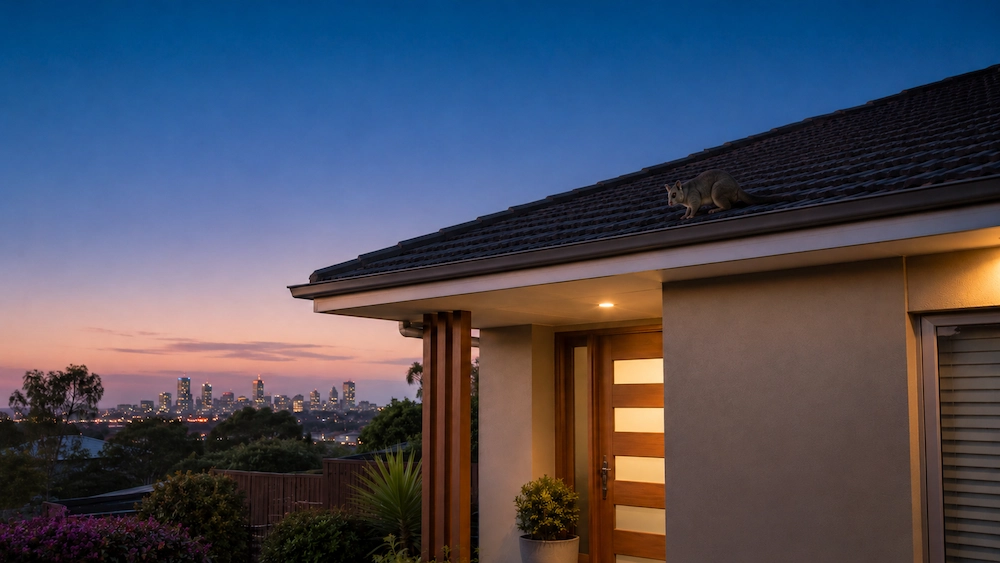
Possums return for shelter, safety and food. Warm lofts, overhanging branches and gaps in fascia, soffits or flashing can make a house more attractive than the bush. See why possums prefer homes to the bush.
Remove one possum without sealing access and another will move in. Look for signs your property is inviting possums:
- Warm, insulated lofts or roof cavities where they can nest
- Overhanging branches and easy climbing routes to the eaves
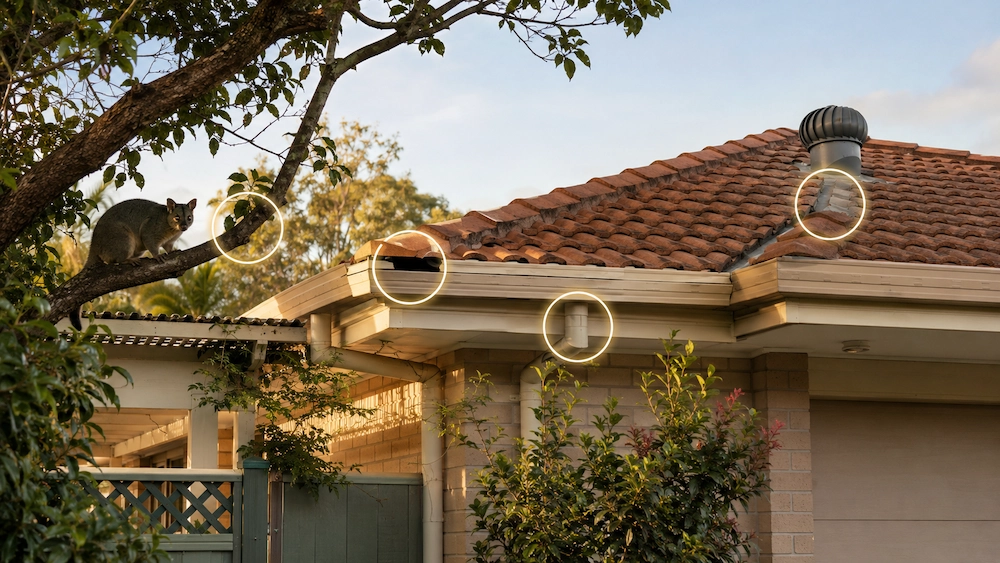
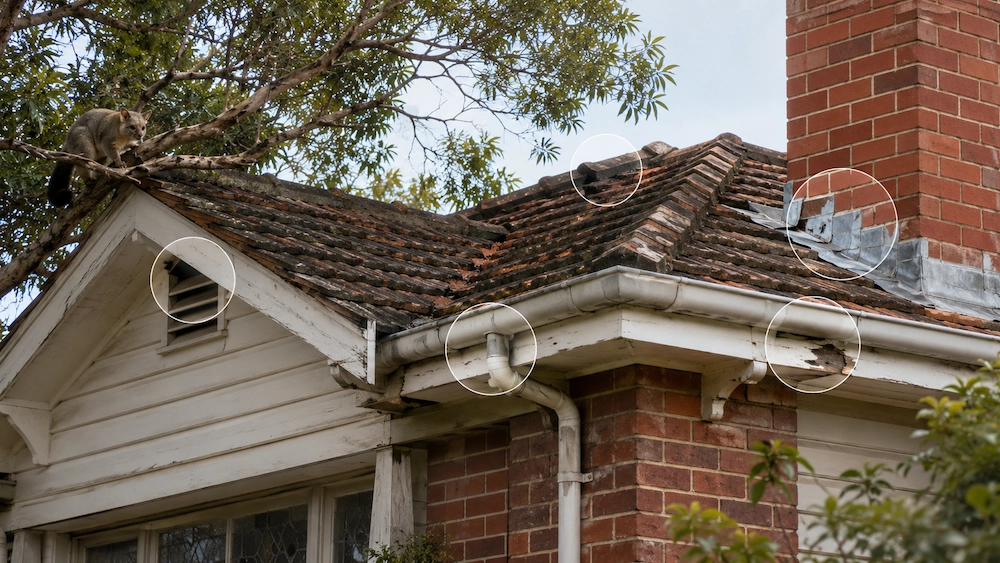
- Gaps in fascia, soffits, vents or damaged roof flashings
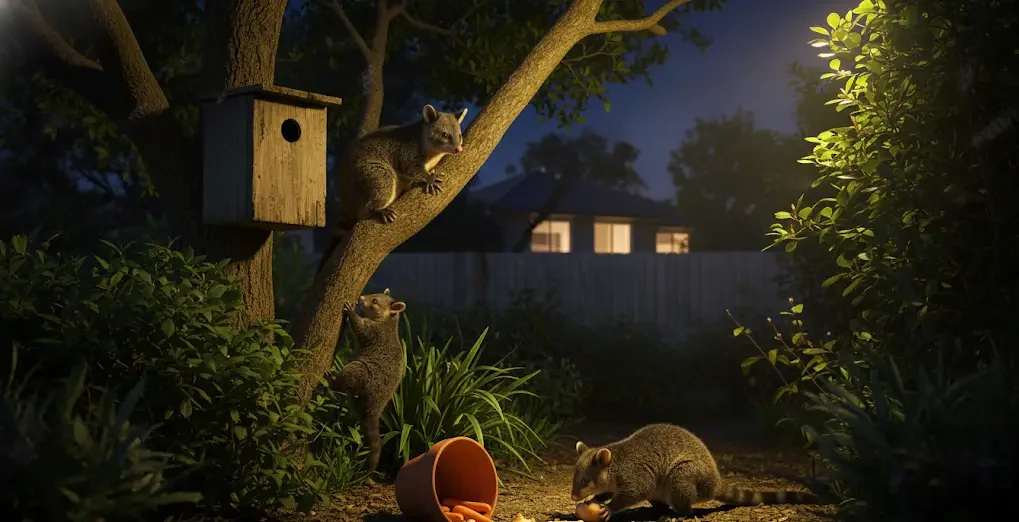
- Nearby food sources such as fruit trees, unsecured bins or pet food left outside
Why a Single Visit Rarely Solves It
A single removal visit usually does one of two things: it removes the current occupant or it temporarily blocks the hole.
Unless every possible entry point is identified and properly sealed, possums will simply explore until they find another way in.
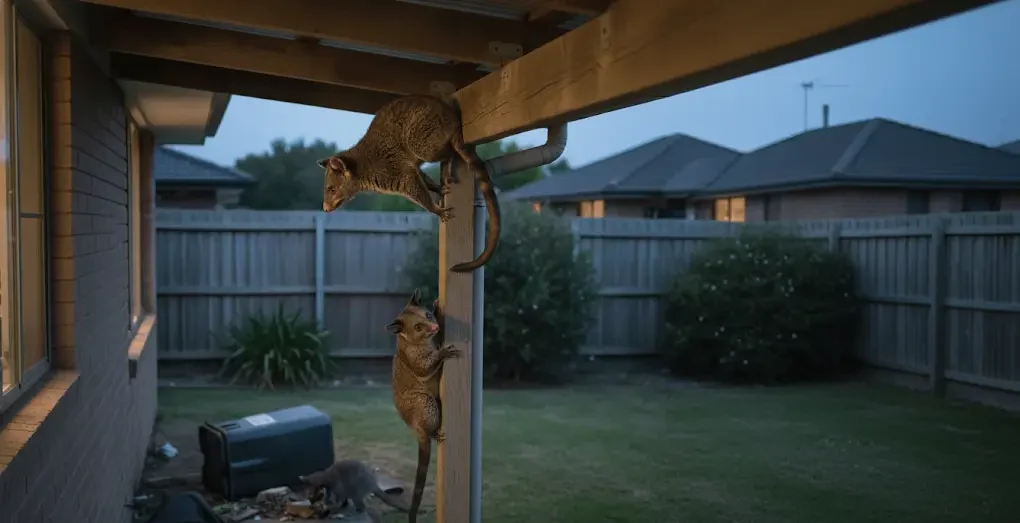
Possums are agile and persistent climbers. A narrow gap, a loose fascia board or even overhanging tree branches can be enough.
The Role of Neighbourhood and Natural Behaviour
Possums are part of the local wildlife. If your street has green spaces, large trees or neighbouring properties with accessible roofs, the chance of re-entry rises. Possums move around at night to forage.
One family may leave your roof and another may choose it later. That is normal behaviour and not an indicator of poor workmanship alone.
Why Most Fixes Fail
Not all removals are equal. Here are the common errors that leave a house vulnerable.
1.Sealing the Visible Hole Only
Fixing the obvious hole is usually a band-aid. Possums can squeeze through very small gaps and often use more than one access point.
A proper proofing check looks beyond the visible damage and inspects for hidden weaknesses such as:
- gaps behind soffits and around vents
- damaged flashing and loose fascia
- gaps where pipes, cables or flues enter the roof
- chewed timbers or softened insulation
2. Traps Without Proofing
Trapping can remove one animal but it does nothing to stop the next. Without sealing access, trapping only delays the problem and can cause stress or injury to wildlife.
Relocating animals is rarely a long-term solution and may breach local rules. Humane exit measures plus proofing are the better option.
3. Poor Materials and Quick Repairs
Cheap materials and rushed repairs fail quickly. Using light sheeting, loose mesh or staples gives possums something they can pry or chew. Durable fixes use the right materials and fittings, for example:
- heavy gauge flashing and stainless steel mesh
- correct screws and suitable sealants, not staples or loose nails
- properly fitted replacement timber and flashing details
4. No Follow-Up Check
Possums are active at night. If work is carried out in daylight without a night inspection you might miss animals still inside or weak spots.
The right approach is staged: fit one-way exits so animals can leave, do a night check, then complete the final sealing. That reduces the risk of trapped animals and repeat visits.
Proper Removal and Proofing Plan
A reliable approach uses steps designed to remove animals humanely and make the building unattractive to future visitors.
Stage 1: Thorough Inspection
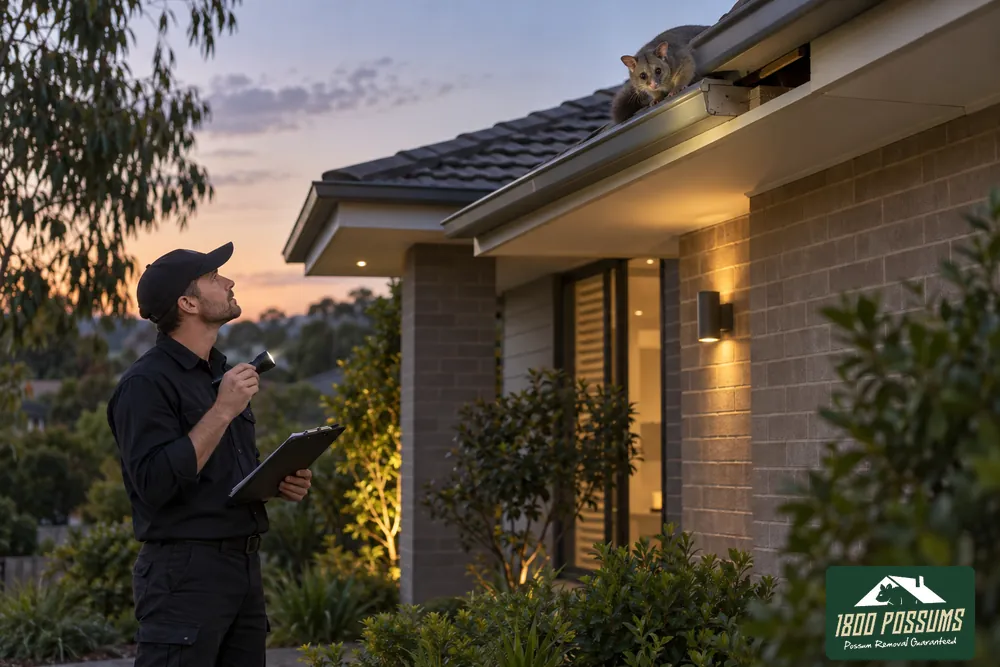
An experienced technician inspects the whole building from roof to ground, looking for entry points, evidence of nesting, contaminated insulation and vulnerable gaps.
The inspection will also note nearby trees or structures that aid access.
Stage 2: Humane Exit Measures
One-way exits let possums leave at night and prevent return. This follows wildlife guidelines and avoids stressful trapping. Read more about the humane exit method: humane exit method.
A return visit removes exits and completes repairs.
Stage 3: Permanent Repair and Proofing
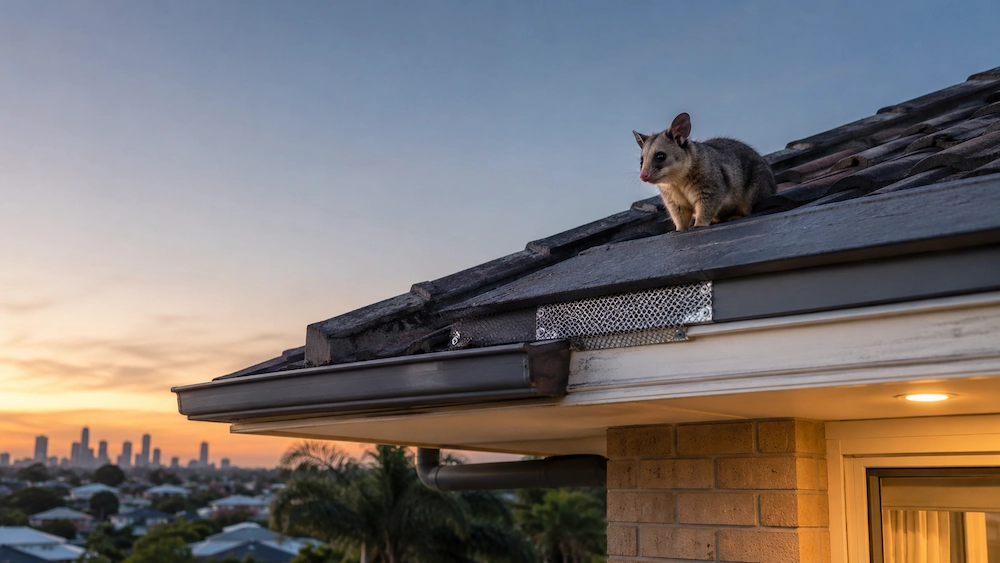
Sealing and repairing with suitable materials, such as heavy gauge metal flashing, stainless steel mesh and correctly fitted timber, prevents return.
Work is done from outside wherever possible to minimise disturbance inside the home.
Stage 4: Warranty and Follow Up
A reputable provider offers a warranty on both the repair work and the absence of re-entry. That warranty should cover the whole building and include return visits where necessary.
If re-entry occurs within the warranty period, it must be fixed at no extra cost.
Environment Can Still Cause Surprises
Even great proofing can be undermined by the surroundings. Trees, neighbouring roofs and green corridors give possums routes and shelter. Good contractors cut off access and remove attractions with simple steps, for example:
- Trim overhanging branches and remove climbing routes
- Fit bird-proofing or block likely nesting spots
- Secure bins, pick up fallen fruit and avoid leaving pet food outside
These small changes make your property far less appealing to possums.
Why Neighbours Matter
Loose roofs or overhanging branches next door can push possums onto your roof. Ask your technician for a few simple, neighbour-friendly fixes.
Why DIY Approaches Usually Fail
Many homeowners try quick fixes like stuffing gaps or DIY trapping, but these usually fail. Common problems:
- Temporary patches leave gaps
- Cheap materials get pried open
- DIY trapping can harm animals and may break local rules
Professional proofing uses durable materials, humane methods and follows regulations.
Aftercare: Small Jobs that Stop Possums Coming Back
A proper repair does most of the work, but a little maintenance keeps possums away.
Check gutters and rooflines every three months, trim overhanging branches, pick up fallen fruit and avoid leaving pet food outside, and secure wheelie bins.
Arrange an annual check with your technician to catch wear early. If you spot fresh droppings, new scratches or noise, call the technician as soon as possible; early action is cheaper and less disruptive.
For simple, legal deterrents you can try between visits, see this possum deterrents guide.
Why Choose 1800 Possums
1800 Possums has over 15 years experience removing and proofing roofs for possums across Melbourne, Geelong, the Mornington Peninsula and Brisbane.
The team are fully trained, insured technicians who use humane exit methods and durable materials, and they tidy up before they leave.
Customers receive a clear, fixed quote up front, before-and-after photos of the work, and a two-year warranty that covers re-entry and return visits.
Reviews often note fast response times, friendly technicians who explain each step, and practical advice to reduce future risk.
Let’s Get This Sorted!
If you are tired of waking up to the same noises, let the team at 1800 Possums stop the cycle.
The technicians will inspect the whole building, explain the staged approach and provide a durable solution backed by a two year guarantee.
Latest Articles