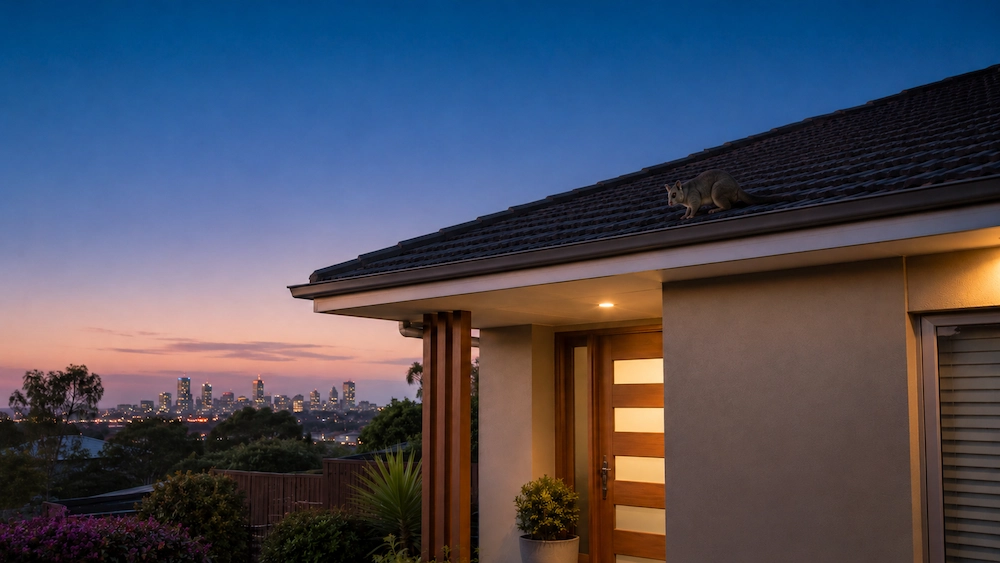
Possums in a Rental Property: Why This Becomes a Fight, and Who Really Has to Fix It
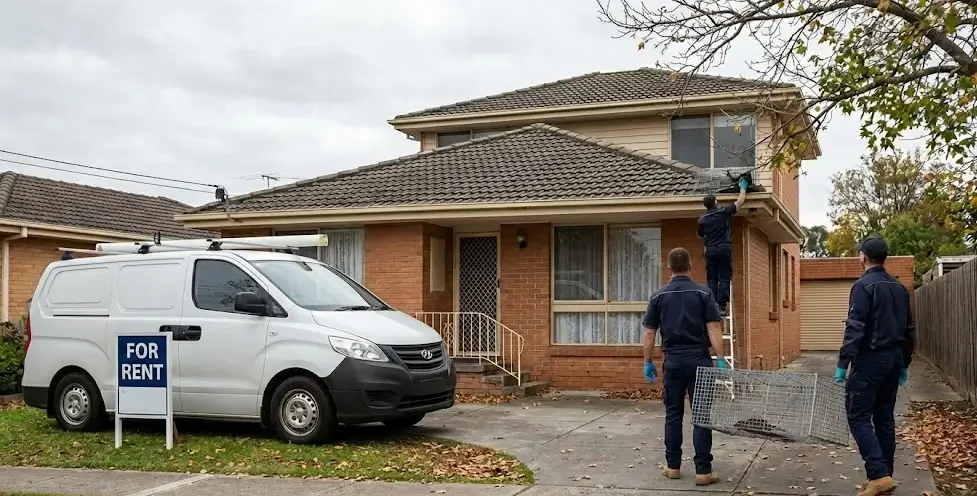
TLDR: In rentals, possum problems are usually about how the animal is getting in, not whether the home is “clean,” so the real fix is a humane removal plan plus sealing the entry points. If everyone focuses on the cause, acts quickly, and keeps a clear paper trail, the issue gets solved faster and the property avoids repeat damage.
Key Takeaways:
- If a possum is in the roof, treat it as an entry-point and repairs problem first, not a generic pest complaint.
- Removal without sealing is a repeat-callout waiting to happen.
- Report early, respond early, and document everything to avoid disputes.
- Use a legal, humane process so the fix doesn’t create a bigger problem later.
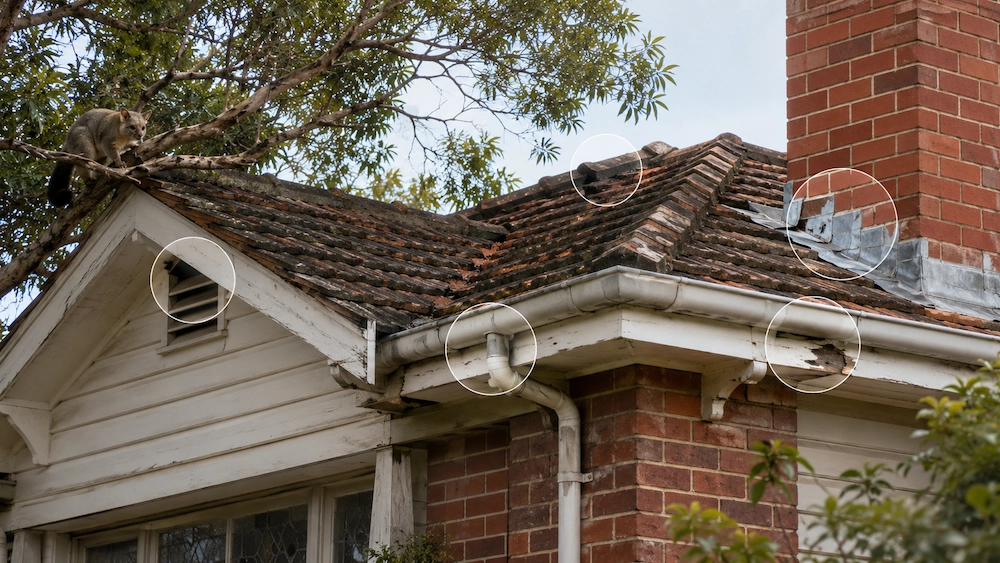
If the possum issue comes from the property itself, think roof gaps, broken tiles, loose eaves, uncapped vents, rotten fascia, then it’s usually the rental provider’s problem to fix. If the issue is caused by tenant behaviour, like food left outside attracting wildlife or damage the tenant created that opened an entry point, then the tenant can be on the hook.
Most disputes happen because people argue about “pest control” when it’s actually a “building access” problem. Possum removal for rental property situations is rarely solved by removal alone, because the house will still be inviting tomorrow.
Why This Keeps Turning Into a Dispute
Possums are protected native wildlife in Australia, so a DIY trap-and-drop can put you on the wrong side of the rules. That’s why the cheapest quick fix often turns into the most expensive repeat problem.
Tenants often assume any animal issue is automatically the landlord’s job, while landlords and agents sometimes file it under “pest control” and push it back to the tenant. The truth sits in the cause: how the possum got in, and what needs sealing or repairing so it can’t come back.
Possums Aren’t Cockroaches
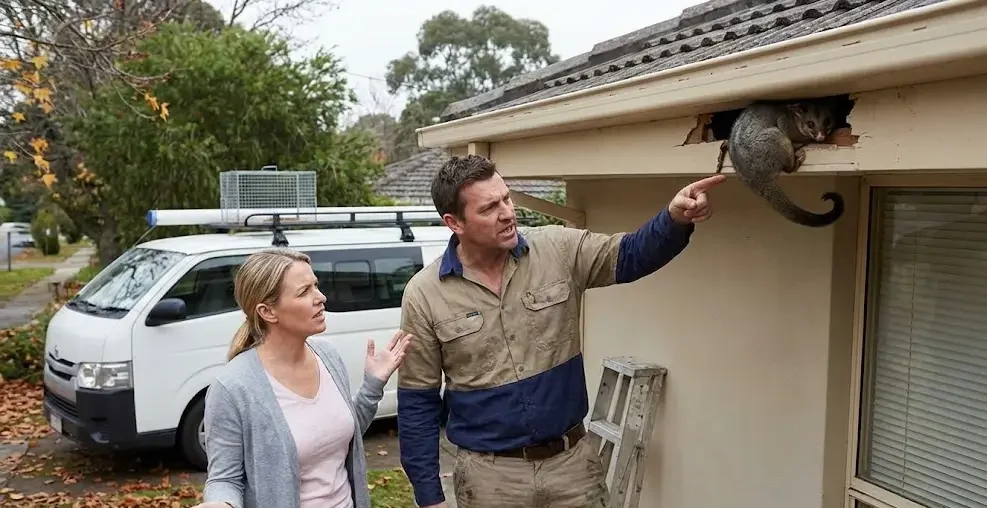
A possum in a roof is usually a structural access problem, not a hygiene problem. That difference matters because tenancy rules across states generally treat building condition and repairs as the owner’s responsibility.
Possums can also become an urgent safety and health issue when they damage wiring, leave droppings, or die in hard-to-reach roof spaces. When that happens, it stops being a “nuisance” and becomes a livability issue that needs fast action.
The legal reality in plain English
In many parts of Australia, possums cannot be relocated far from where they’re found, and handling them can require licensing. So the practical solution is usually humane removal paired with proper proofing, not DIY relocation.
The “it’ll move on” myth
If a possum is already nesting in a roof cavity, it has decided your property is safe, warm, and repeatable. If you do nothing, it often stays, and if you remove it without sealing entry points, another one often replaces it.
Who’s Responsible: The Clean Way to Think About It
Stop asking “tenant or landlord” and start asking three questions. Answer these, and the responsibility usually becomes obvious.
1. Was the property reasonably pest-free at the start?
At the start of a tenancy, the property should be fit to live in. If possums were already active in the roof when the tenant moved in, it’s very hard to argue the tenant caused it.
If you’re an agent or landlord, the entry condition report is your best friend here. Photos, time-stamped notes, and quick action early will save you the tribunal drama later.
2. Entry point or tenant behaviour?
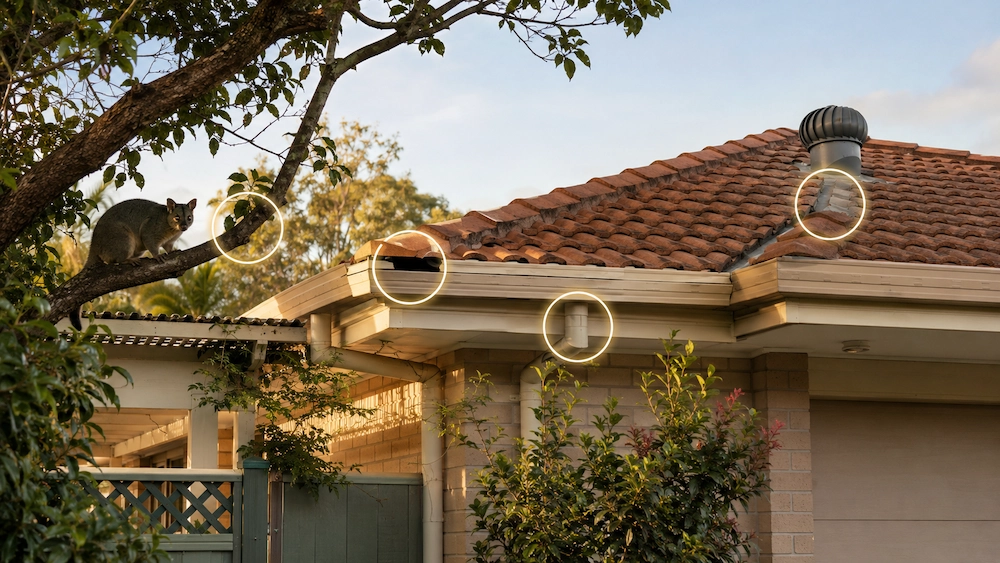
Structural access looks like gaps, broken tiles, loose flashing, cracked soffits, open gables, torn sarking, or vents without guards. Tenant behaviour looks like creating openings through damage, ignoring obvious issues for months, or attracting wildlife with persistent outdoor feeding.
A possum doesn’t “infest” a clean kitchen the way ants do. It enters where the building lets it.
3. Was the issue reported quickly, and was action taken?
Tenants have a clear duty to report problems as soon as they notice them. Agents and landlords have a clear duty to keep the property in good repair and respond within the timeframes that apply in their state.
Delay is where costs blow out. The longer a possum stays, the more likely you’ll be dealing with chewed materials, staining, odour, and repeated entry points.
How The Rental Possum Fight Starts
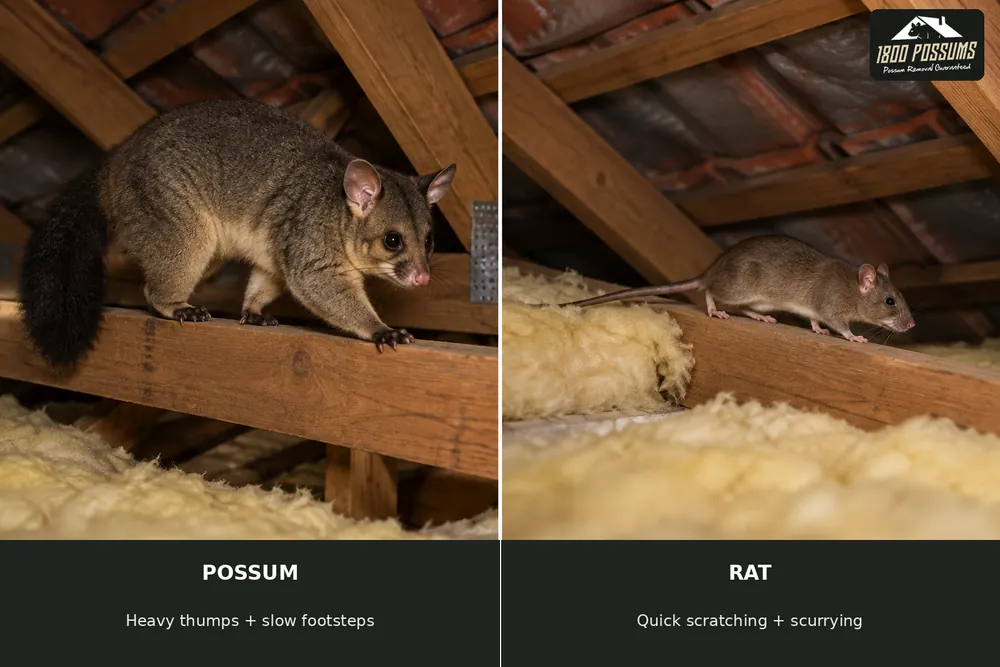
It usually starts with a tenant saying they can hear scratching at night or a heavy thump in the ceiling, and the agent asks if it’s a “pest control” issue or suggests deterrents. That’s when the back-and-forth begins, because nobody wants to pay for something they didn’t cause.
Deterrents rarely fix the real problem, which is how the possum is getting in, and landlords often assume it should be a quick, cheap callout. If you want it to stop properly, treat it as a roof access and sealing job with a humane removal plan, not a one-off removal.
What a Sensible Possum Plan Looks Like in a Rental
You want a process that works even when the tenant is busy and the landlord is interstate.
That means clear steps and written sign-off.
Step 1: Confirm activity and likely entry points
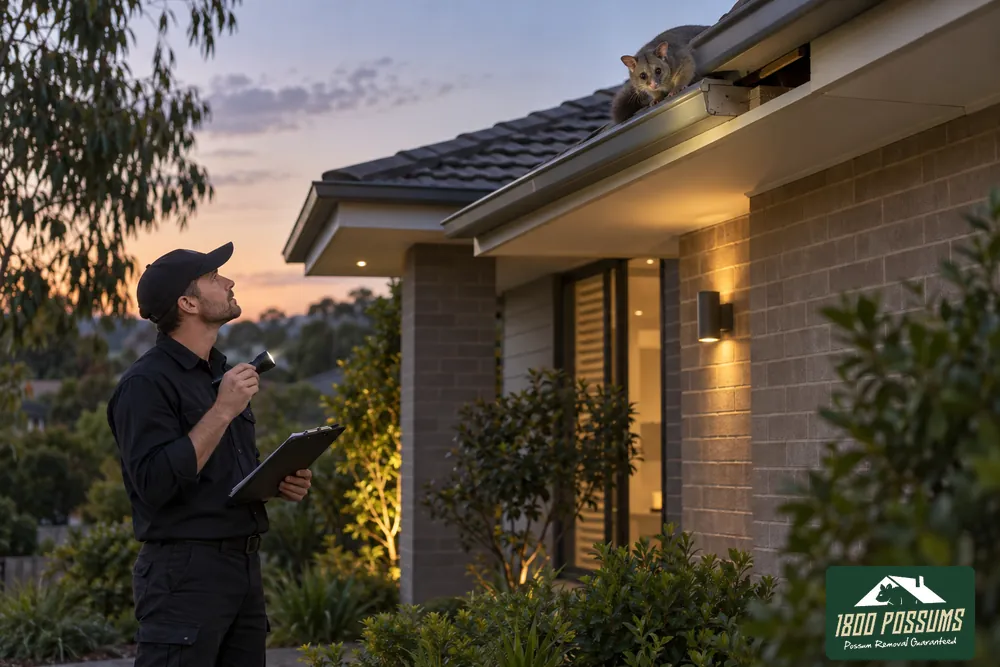
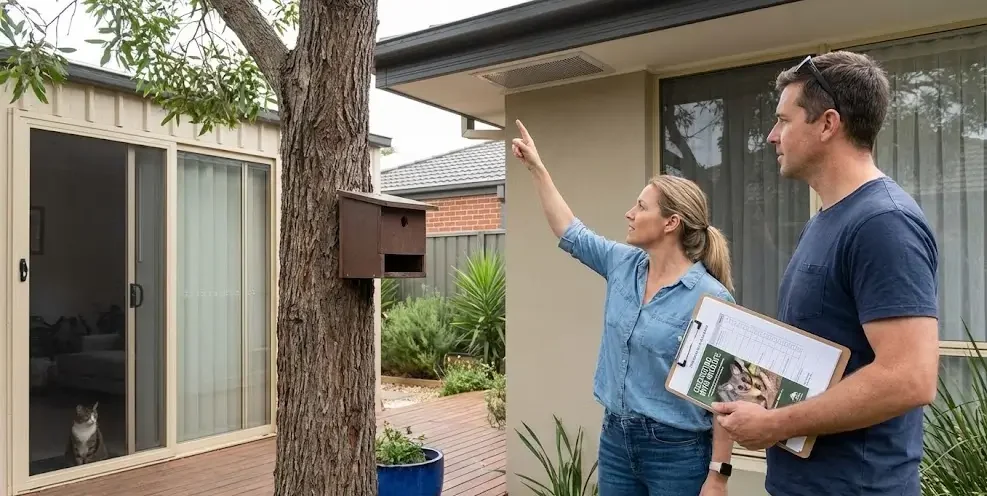
A good inspection checks rooflines, tiles, eaves, vents, and any easy climb points, and if you want a quick explainer on the usual entry routes, this guide on how possums enter homes and how to shut them out is worth a skim. It also checks for secondary issues like rats, because roof access points can invite more than one problem.
Step 2: Set up a humane exit strategy
Humane removal commonly uses one-way exits and careful checks to make sure animals can leave safely, and if you want to see exactly what a proper service includes you can read more about our possum removal approach. It’s not dramatic, but it’s effective when paired with sealing.
Step 3: Seal and reinforce the home
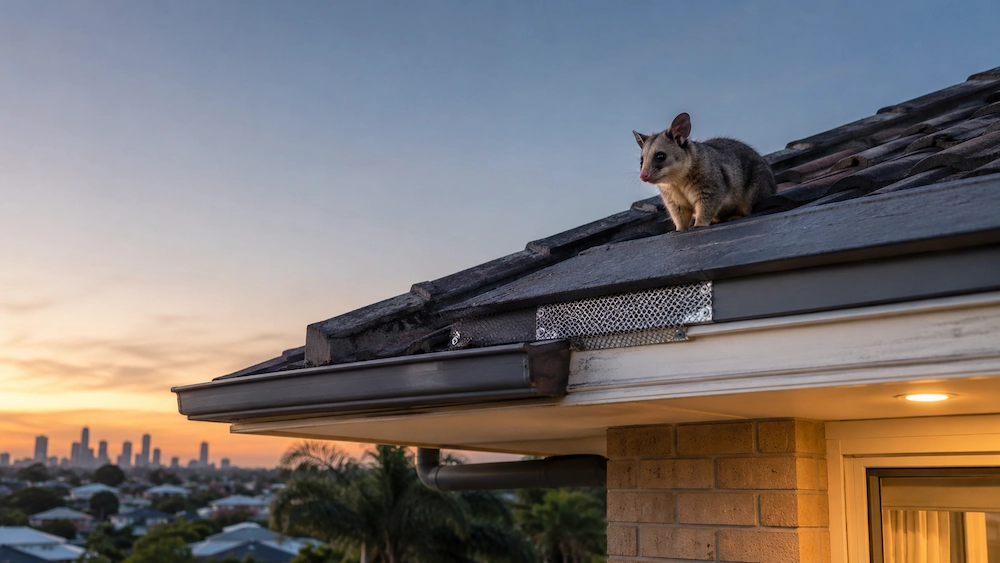
This is where the long-term fix happens. Sealing entry points, reinforcing weak areas, and fixing damaged sections stops the property becoming a repeat nesting site.
Step 4: Document the work for everyone’s protection
Owners want proof the job was done properly. Tenants want proof the issue was addressed so they can live normally again.
Clear documentation also reduces bond disputes later. It makes it easier to separate fair wear and tear from preventable damage.
Why Choose 1800 Possums
If you’re dealing with a possum removal rental property problem, you want a team that understands rentals and keeps the process simple. 1800 Possums works with property managers and landlords to remove possums humanely and protect the home so the issue doesn’t keep repeating.
They offer a straightforward process from a phone consult and quote to inspection, removal, sealing, and a workmanship warranty. They also back their work with a 2-year guarantee style promise and a calm, family-run approach that keeps tenants, owners, and agents on the same page.
Book a fix that actually sticks
If you’re a property manager, ask for a process that includes documentation and a workmanship warranty so you can close the loop with the owner quickly. If you’re a landlord, book the fix once, keep the tenant happy, and protect the property from repeat damage. Call us now for a free consultation!
Latest Articles