Residential Possum Proofing Techniques to Keep Possums Out for Good
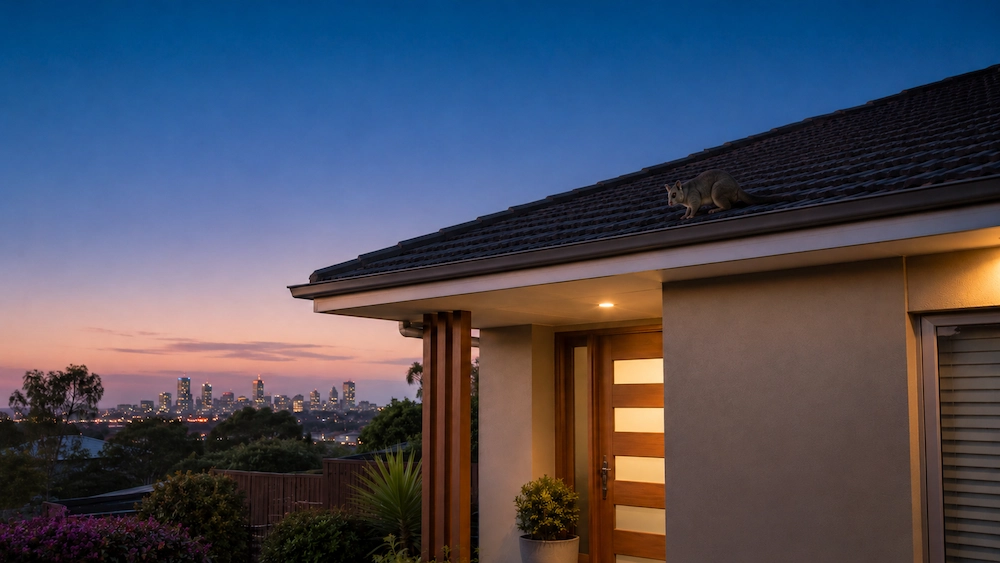
Possums are a common nuisance for homeowners in Australia, especially in cities like Melbourne and Brisbane. These nocturnal marsupials often seek shelter in residential roofs, attics, and sheds, causing noise disturbances and potential property damage. However, possums are a protected species under Australian law, meaning humane exclusion methods are essential. Effective residential possum proofing not only ensures compliance with legal requirements but also provides a long-term solution to keeping these animals out of your home.
Understanding Possum Behavior and Legal Considerations
Common Possum Species in Melbourne and Brisbane
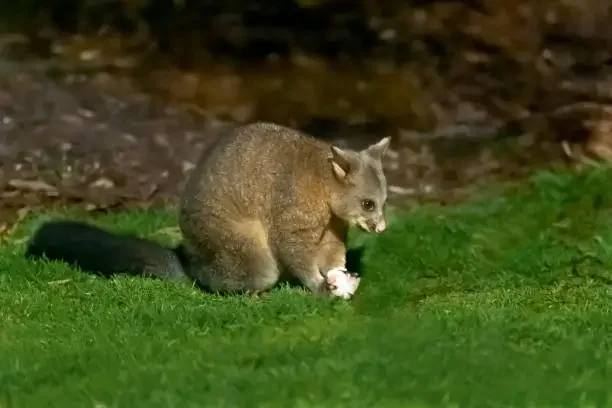
- Common Brushtail Possum (Trichosurus vulpecula): The most frequently encountered possum in urban areas, known for its adaptability and tendency to nest in roofs.
- Common Ringtail Possum (Pseudocheirus peregrinus): Smaller than the Brushtail, often found nesting in dense foliage and occasionally in roof cavities.
Possum Habits and Nesting Preferences
- Nocturnal creatures that become active at dusk.
- Omnivorous diet including leaves, fruits, flowers, and garden produce.
- Prefer warm, dry, and sheltered areas, making residential roofs an ideal nesting spot.
- Strong territorial instincts mean they will repeatedly attempt to return to a preferred shelter.
- Can squeeze through surprisingly small gaps, making thorough inspections critical.
Legal Restrictions on Possum Handling
- In Victoria, the Wildlife Act 1975 protects possums, allowing only licensed professionals to trap and relocate them within 50 metres of the capture site.
- In Queensland, similar regulations exist under the Nature Conservation Act 1992, prohibiting the harm or relocation of possums without a permit.
- Homeowners must focus on exclusion rather than removal, ensuring compliance with these laws.
- Heavy fines apply for harming or illegally relocating possums, reinforcing the importance of humane deterrence methods.
Identifying Possum Entry Points in Residential Properties
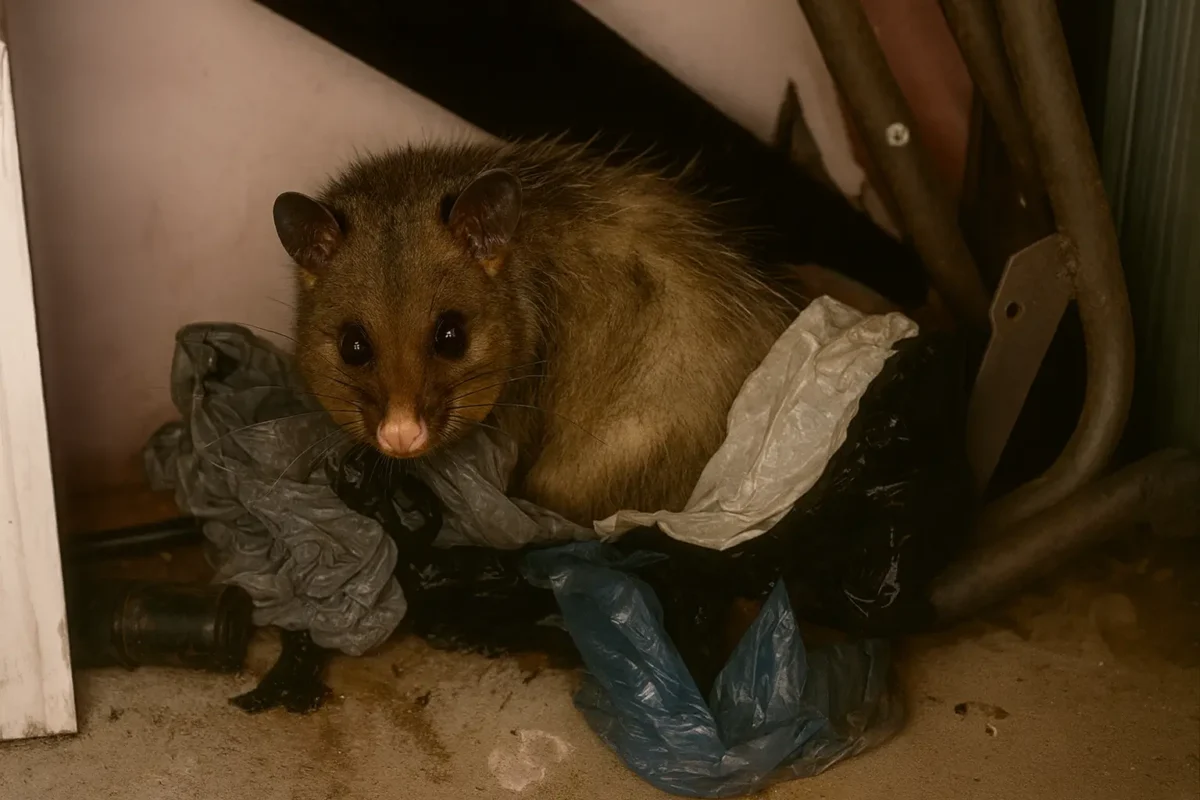
Before implementing proofing measures, it’s crucial to identify where possums are entering your home.
Common Entry Points
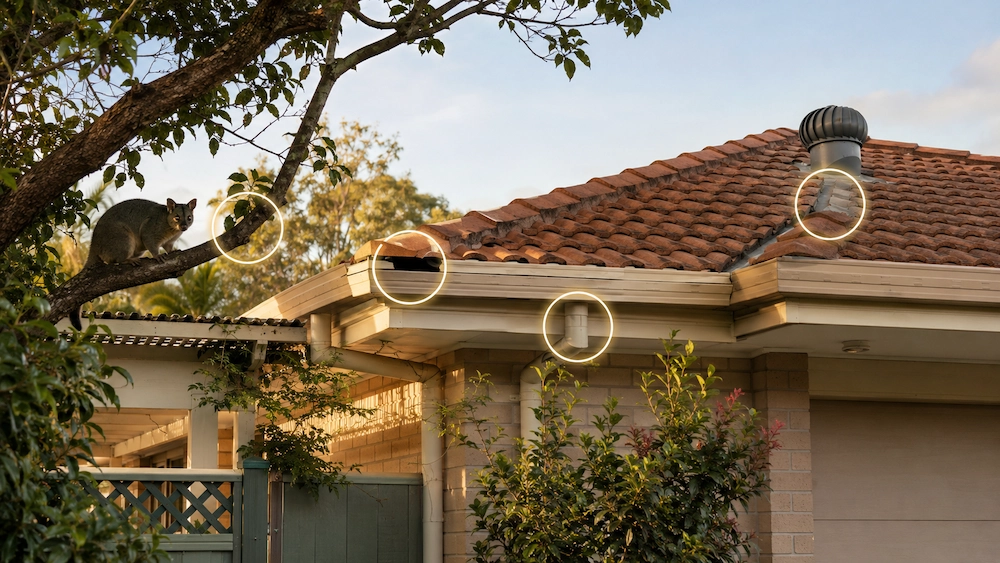
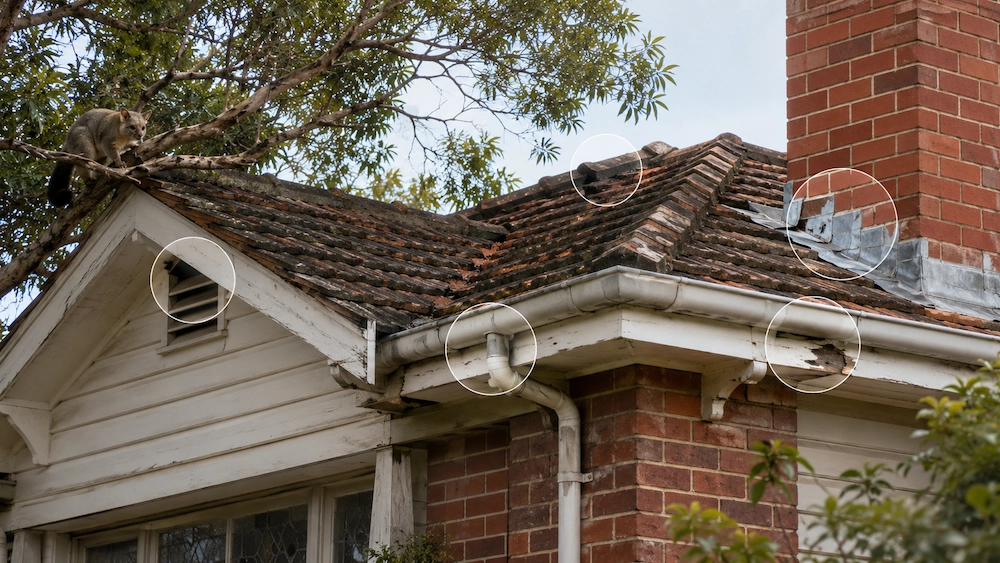
- Roof gaps, eaves, vents, and broken tiles.
- Uncapped chimneys.
- Gaps in external walls or loose weatherboards.
- Overhanging tree branches providing direct access to the roof.
- Air conditioning units and gaps around utility pipes.
- Loose or damaged gutters, which may provide a climbing pathway.
Signs of Possum Activity
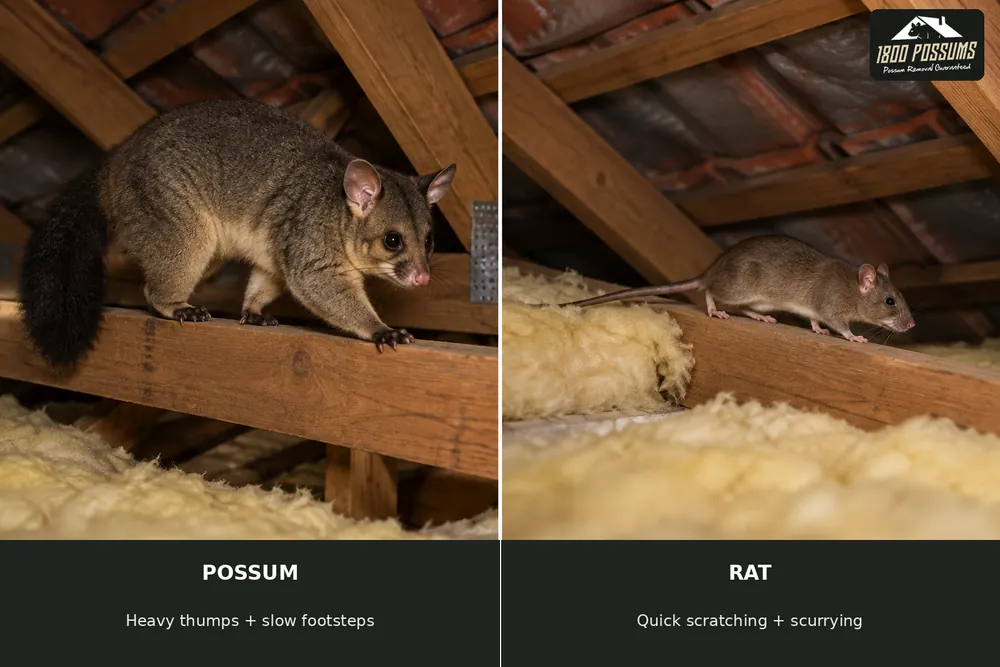
- Scratching, thumping, or scurrying noises at night.
- Possum droppings and urine stains.
- Fur caught in entry points or chew marks on timber and wiring.
- Damage to garden plants or fruit trees, indicating feeding activity.
- Unpleasant musky odours, which possums use to mark their territory.
Effective Residential Possum Proofing Techniques
Sealing Entry Points
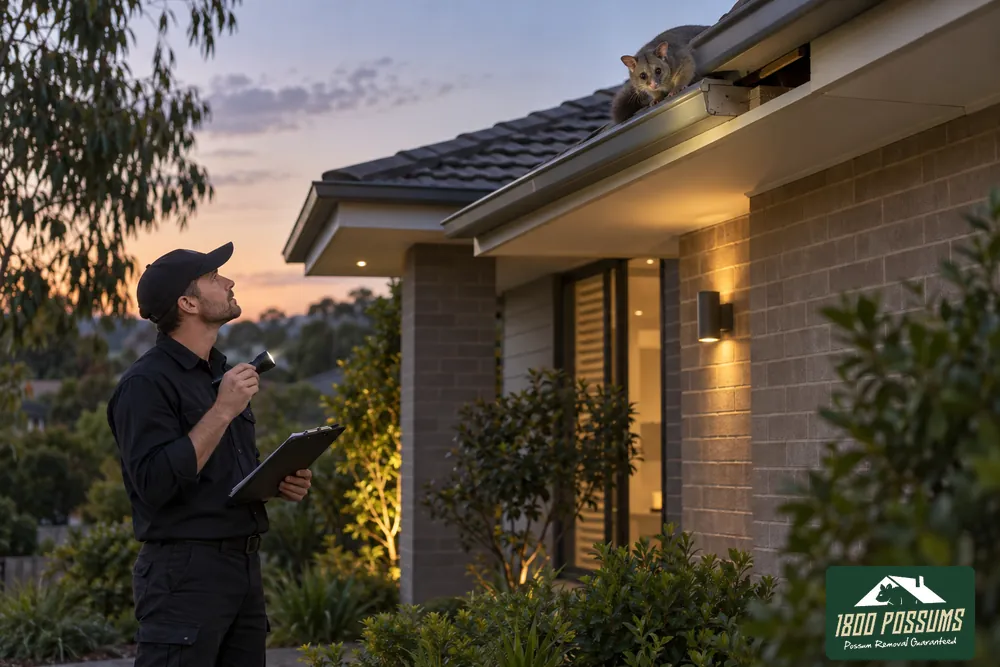
- Inspect the roof and exterior walls thoroughly, using a torch to spot hidden gaps.
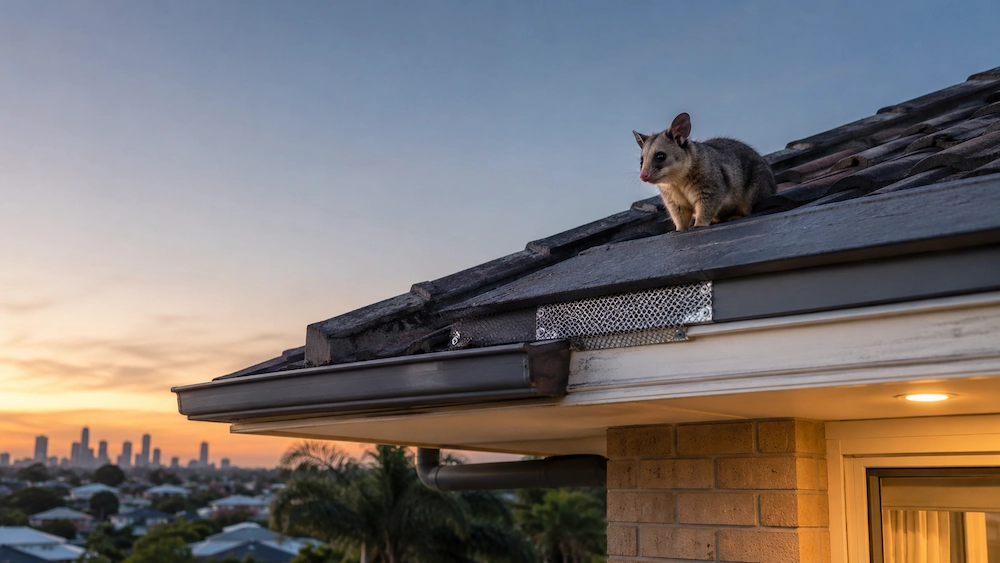
- Close off access points using metal flashing, wire mesh, or sturdy timber.
- Ensure proper ventilation while blocking possible entry holes.
- Conduct proofing only after ensuring no possums are trapped inside.
- Use temporary barriers like rags soaked in vinegar or camphor balls while sealing entry points to deter possums.
Tree and Garden Maintenance
- Trim overhanging branches at least 1.5 metres from the roof.
- Secure compost bins and garbage cans to prevent easy access to food sources.
- Remove fallen fruit and excess vegetation to reduce attractants.
- Install possum guards on tree trunks to prevent climbing access.
- Use thorny plants, such as roses or bougainvillea, near entry points as a natural deterrent.
Installing Possum Deterrents
- Motion-activated lights and sprinklers can discourage possums from approaching.
- Ultrasonic devices emit high-frequency sounds that can deter possums.
- Natural repellents like garlic sprays, quassia chips, or predator scents can make areas less appealing.
- Commercial possum repellents available in stores can provide additional deterrence.
- Hanging mothballs in areas frequented by possums can help but should be used cautiously around pets.
- Lining fences and ledges with spiked rollers or slippery surfaces can prevent climbing.
Providing Alternative Shelter: Possum Boxes
- Installing a possum box in a nearby tree provides an alternative nesting space.
- Encourages possums to relocate voluntarily rather than invading your roof.
- Ensure the box is positioned securely and at least 4 metres off the ground.
- Place possum-friendly food nearby to encourage use of the new shelter.
- Consider planting native trees that provide natural nesting sites.
What to Do If a Possum Is Already Inside Your Roof
If a possum has already taken up residence, follow these humane steps to encourage it to leave:
- Create an exit route: Install a one-way exit door at the entry point so the possum can leave but not re-enter.
- Make the space uncomfortable: Use bright lights or loud noises in the attic to discourage them from staying.
- Monitor their activity: Ensure the possum has vacated before sealing the entry points.
- Know the legal requirements: In Victoria and Queensland, trapping and relocating possums requires a permit and must be done humanely.
- Call a professional: If unsure, seek help from a possum-proofing specialist like 1800 Possums.
Hiring a Professional Possum Proofing Service
While DIY methods can be effective, professional possum proofing ensures a thorough and lasting solution.
Benefits of Professional Possum Proofing
- Expert assessment to identify all possible entry points.
- Safe and legal exclusion methods compliant with state regulations.
- Long-term prevention strategies to keep possums out permanently.
- Proper installation of deterrents and alternative shelters.
- Guaranteed workmanship for peace of mind.
What to Expect from a Professional Service
- Comprehensive property inspection to assess vulnerabilities.
- Sealing of entry points using durable materials.
- Installation of possum boxes to provide an alternative habitat.
- Follow-up services to ensure effectiveness and compliance.
- Advice on additional preventative measures such as fencing or garden modifications.
- Use of ethical and environmentally friendly repellents to ensure humane treatment.
Why Choose 1800 Possums?
- Specialists in Melbourne and Brisbane possum management.
- 15+ years of experience in humane possum-proofing solutions.
- Fully licensed and compliant with Australian wildlife protection laws.
- Proven track record of successful possum-proofing services.
- Emergency response services for urgent possum removal needs.
Possums may be a protected species, but they don’t have to be an unwelcome house guest. By understanding their behavior, identifying entry points, and applying effective possum-proofing techniques, homeowners can prevent future infestations while staying compliant with legal and ethical standards. Taking preventative action now will save time, money, and frustration in the long run. If you’re dealing with a persistent possum problem, contact 1800 Possums for expert, humane, and legally compliant possum-proofing solutions.
Latest Articles