The Hidden Dangers: Health Risks of Possum Infestations in Homes
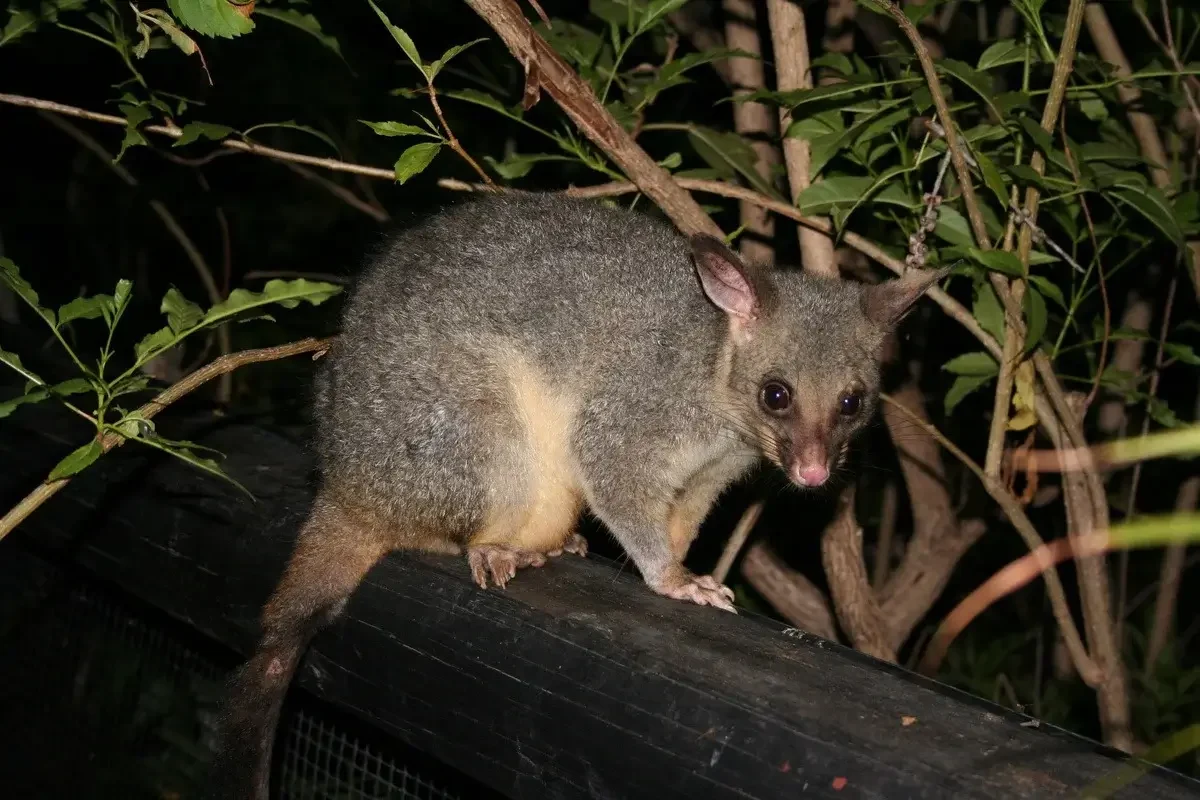
TL;DR: Possum infestations in homes pose significant health risks from direct disease transmission (like Leptospirosis, Toxoplasmosis, Q Fever) and indirect issues such as allergens, secondary pests, and mould, along with property damage and psychological stress. Professional removal and proofing are crucial for safety.
Key Takeaways:
- Possums in homes introduce direct health risks through waste, potentially transmitting diseases like Leptospirosis, Toxoplasmosis, and Q Fever.
- Their presence degrades indoor air quality by releasing allergens (dander, droppings) and promoting mould growth, worsening respiratory conditions.
- Infestations attract secondary pests like fleas and ticks, posing additional health concerns for occupants and pets.
- Beyond health, possums cause substantial property damage (e.g., chewed wiring, soiled insulation) and significant psychological stress, making professional, humane intervention essential.
Possums are a beloved part of our unique wildlife. With their bushy tails, captivating eyes, and nocturnal antics, it’s easy to be charmed by these native marsupials. However, when these charming creatures decide to trade the gum trees for your roof cavity or wall spaces, their presence quickly loses its appeal. While they might seem harmless at first, a possum infestation in your home can unfortunately pose significant, often overlooked, health risks to human occupants and even your beloved pets.
It’s surprisingly common for possums to seek shelter in suburban homes, especially as urban development encroaches on their natural habitats. Our warm, dry, and safe houses offer an irresistible alternative to the elements. This article will delve into these potential health hazards, exploring everything from the direct diseases caused by possums in homes to indirect issues like allergens, secondary pest infestations, and even the psychological impact of living with unwanted houseguests. Understanding these possum infestation health risks is the first step towards ensuring the safety and well-being of your household.
Understanding the Possum Problem in Your Home
Possums, by nature, are driven by basic needs: shelter, food, and safety. Your home inadvertently provides all three, making it an attractive proposition. Roof spaces, wall cavities, subfloors, and even sheds are prime real estate for these nocturnal dwellers seeking a secure spot to sleep during the day, raise their young, or simply escape predators and bad weather.
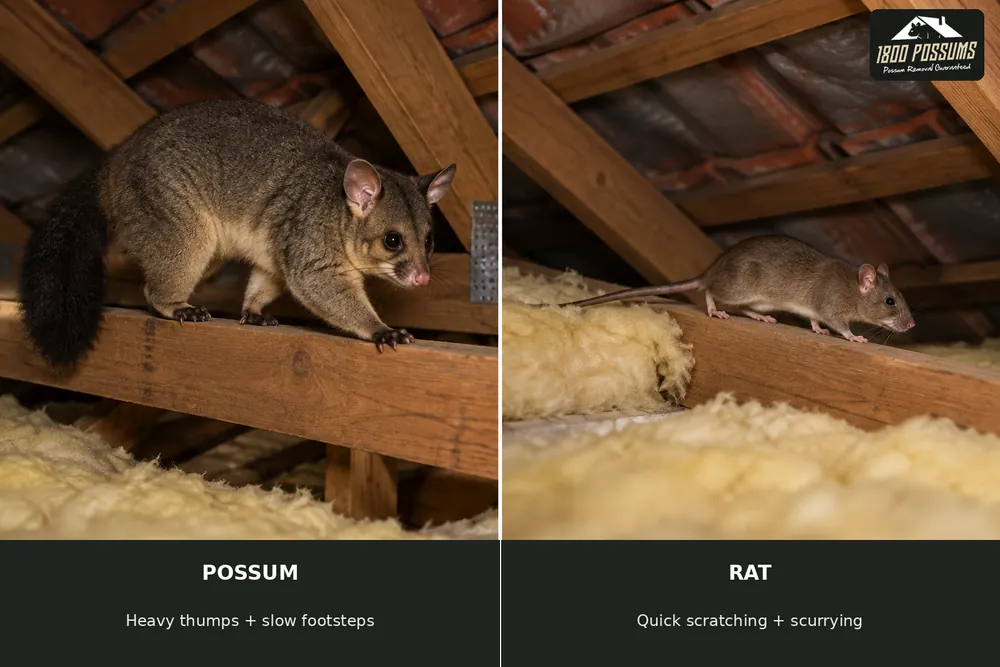
Identifying a possum problem often begins with the sounds. You might hear scampering, scratching, or thumping noises above your ceiling or within your walls, especially at dusk and dawn when they are most active. Beyond the unsettling sounds, there are more direct signs that clearly link to potential health issues:
- Foul Odours: A persistent, unpleasant smell of urine and faeces, or even decomposition, is a strong indicator of a long-term infestation. This odour is a direct source of contaminants and airborne particles.
- Droppings and Urine Stains: Possum droppings are typically dark, pellet-like, and roughly cylindrical, often found near entry points or in concentrated areas within the roof. Urine stains can seep through ceilings, causing unsightly marks and introducing bacteria and other pathogens into your living spaces. This tangible evidence of waste is a clear health hazard.
- Damaged Insulation and Wiring: Possums will often tear up insulation to create nests, reducing your home’s thermal efficiency. They may also chew on electrical wiring, which is not only a fire hazard but also disrupts your power supply. These activities create more debris and potential entry points for other pests.
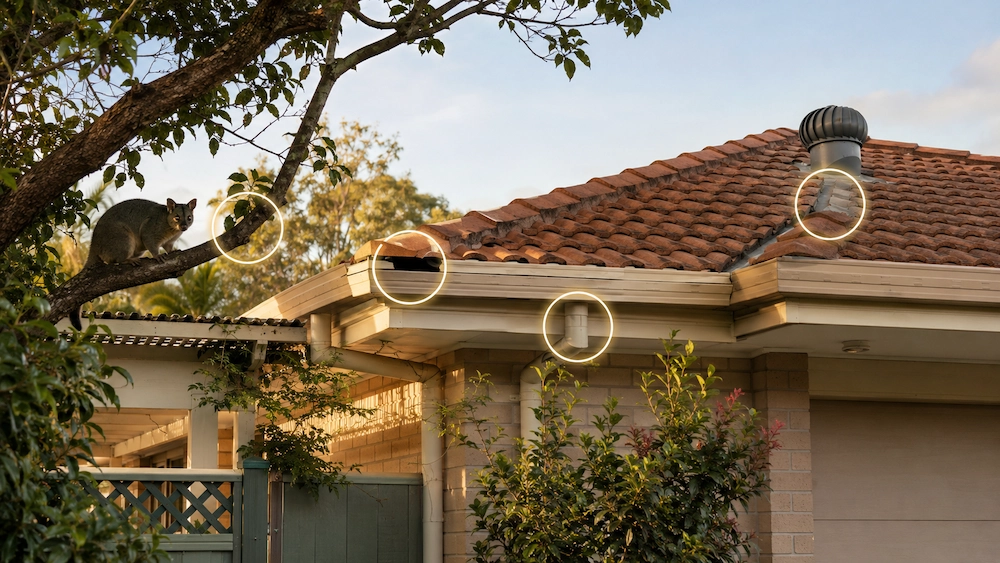
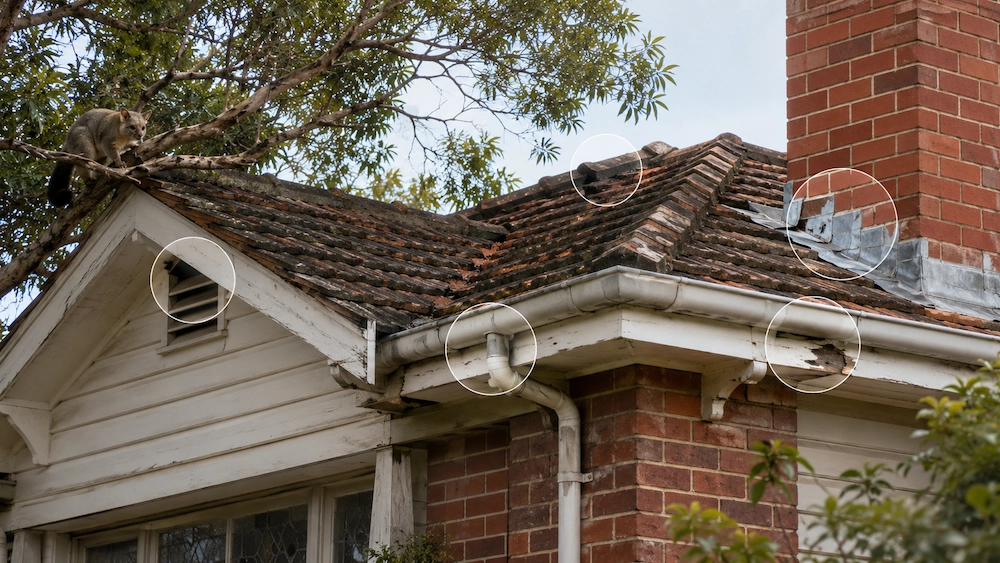
- Visible Entry Points: Look for chewed holes in eaves, broken roof tiles, or gaps around vents. These are their highways into your home. For a comprehensive overview, read about the common signs of a possum infestation in your home.
This close cohabitation with wild animals means that you and your family are constantly exposed to their waste, dander, and any pathogens they might carry. It’s this exposure that forms the basis of the health risks we’re about to explore.
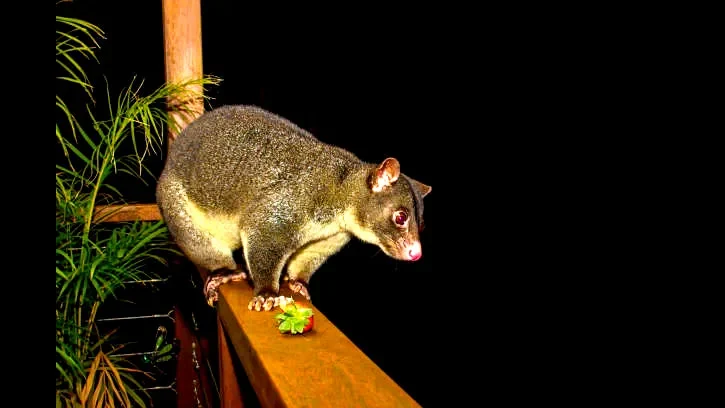
Direct Health Risks: Diseases Transmitted by Possums
While direct disease transmission from possums to humans is less common than indirect exposure, it remains a significant concern, especially with prolonged and unmanaged infestations. These animals carry various bacteria, viruses, and parasites that can potentially be transferred to humans or pets.
Leptospirosis (Weil’s Disease)
Leptospirosis is a serious bacterial infection caused by Leptospira bacteria. While possums aren’t the sole carriers, they can become infected and shed the bacteria in their urine.
- What it is: A zoonotic bacterial disease affecting both animals and humans.
- Transmission: Primarily through contact with infected urine, faeces, or contaminated water and soil. In a home, this could involve coming into contact with contaminated surfaces in a roof cavity or contaminated dust.
- Symptoms in Humans: Initial symptoms often mimic the flu, including fever, chills, severe headaches, muscle aches, and vomiting. If left untreated, it can progress to more severe stages, potentially leading to kidney damage, liver failure, meningitis, or even death.
- Risk Factors: Individuals who work in contaminated environments (e.g., roof spaces during renovation or cleaning) are at higher risk.
Toxoplasmosis
Toxoplasmosis is a parasitic infection caused by the microscopic parasite Toxoplasma gondii. While cats are primary hosts, possums can also carry the parasite and contribute to its spread.
- What it is: A parasitic infection that can affect most warm-blooded animals and humans.
- Transmission: Humans usually contract it by ingesting oocysts (microscopic eggs) from contaminated soil, unwashed vegetables, undercooked meat, or, relevant to our discussion, accidental ingestion of dust or particles contaminated with infected faeces.
- Symptoms: In healthy individuals, symptoms are often mild or non-existent, resembling a mild flu. However, it can be severe for immunocompromised individuals (e.g., those with HIV/AIDS, cancer patients), leading to serious complications like encephalitis, organ damage, and vision problems. It is also particularly dangerous for pregnant women, as it can cause serious birth defects or miscarriage.
- Relevance: Accidental ingestion of contaminated dust from areas frequented by possums (e.g., a dusty attic) poses a potential risk.
Q Fever (Coxiella burnetii)
Q Fever is another bacterial infection that is endemic, primarily associated with livestock, but wildlife can also play a role in its epidemiology. Possums are not considered primary reservoirs but can be exposed and potentially contribute to the environmental load of the bacteria.
- What it is: A bacterial infection caused by Coxiella burnetii.
- Transmission: Primarily through the inhalation of airborne particles contaminated with bacteria from animal waste (e.g., dried faeces, urine, birth fluids). These bacteria can become aerosolised when disturbed, especially in dusty areas like roof spaces.
- Symptoms: Often presents with severe flu-like symptoms including high fever, severe headache, muscle pain, chills, and cough. While most cases resolve, some individuals can develop chronic Q fever, leading to long-term health issues like endocarditis.
- Risk: Anyone disturbing an area where possums have been living, such as cleaning out a contaminated roof space, faces a risk of inhaling these airborne particles.
Other Potential Pathogens/Risks
Beyond these more prominent concerns, possum infestations can introduce other less common but still concerning pathogens:
- Salmonella: Possums, like many animals, can carry Salmonella bacteria in their gut. Contact with their faeces can lead to Salmonellosis in humans, causing gastrointestinal distress, including diarrhoea, fever, and abdominal cramps.
- Cryptosporidiosis: This is a parasitic infection that causes diarrhoeal illness. It spreads through contact with contaminated water or surfaces, which could include areas soiled by possum faeces.
- Fungal Infections: Possum waste creates a damp, nutrient-rich environment conducive to the growth of various fungi and moulds. Spores from these can become airborne and, if inhaled, lead to respiratory infections or allergic reactions.
These diseases caused by possums in homes highlight the importance of professional intervention and careful handling of any infested areas.
Indirect Health Risks: Allergens, Pests, and Air Quality
Beyond direct pathogen transmission, possum infestations introduce a cascade of indirect health risks that can significantly impact your home environment and well-being.
Allergens and Respiratory Issues
Much like pet dander, possum fur, dander (tiny flakes of skin), and dried faecal matter can become aerosolised and circulate throughout your home’s air.
- Possum Dander and Faeces: As possums move, shed, and deposit waste, these particles accumulate in insulation and on surfaces. When disturbed, they become airborne.
- Impact: For sensitive individuals, this airborne matter can trigger allergic reactions, leading to symptoms like sneezing, itchy eyes, runny nose, and skin rashes. More severely, it can exacerbate asthma, causing wheezing, coughing, and shortness of breath.
- Indoor Air Quality: The constant presence of these contaminants, combined with the strong odours of urine and faeces, significantly degrades the overall indoor air quality. Poor air quality can lead to general respiratory irritation and a feeling of an unhealthy living environment.
Attraction of Secondary Pests
Possums are not solitary creatures in terms of their biological entourage. They are known carriers of various external parasites, which can quickly become a problem for your household.
- Fleas, Ticks, and Mites: Possums frequently host fleas, ticks, and mites that latch onto their fur. When a possum nests in your home, these parasites can easily jump off their host and infest your living spaces.
- Home Infestation: Once in your home, these parasites can quickly multiply and spread to your own pets (dogs, cats) and even bite humans, causing itchy welts and discomfort.
- Disease Transmission (from parasites): While the direct transmission of diseases like Lyme disease from ticks to humans is uncommon, tick bites can still cause localised infections and, in rare cases, other tick-borne illnesses. Flea bites are itchy and can cause allergic reactions in some individuals. Mites can cause skin irritation.
Mould and Mildew Growth
Possum urine and faeces aren’t just smelly; they introduce moisture and organic matter that create ideal conditions for undesirable biological growth.
- Urine Contamination: Possum urine can soak into building materials like insulation, timber beams, and plasterboard. This constant dampness, especially in poorly ventilated roof cavities, is a recipe for disaster.
- Damp Environment: The combination of moisture from urine and organic waste (faeces) creates a perfect breeding ground for mould and mildew.
- Health Impact: Mould and mildew produce spores that, when inhaled, can cause a range of health problems. These include respiratory symptoms (coughing, wheezing), exacerbation of asthma, allergic reactions, skin rashes, and eye irritation. Prolonged exposure can be particularly harmful to individuals with compromised immune systems.
These indirect risks underscore that even without direct contact, living with a possum infestation can severely compromise the health and comfort of your home.
Property Damage
Beyond the immediate health concerns, possum infestations can lead to substantial property damage of a household.
Structural and Electrical Damage
Possums are persistent creatures, and their presence in your home will inevitably lead to damage:
- Chewed Wiring: One of the most dangerous aspects of a possum infestation is their tendency to chew on electrical wiring. This can lead to power outages, shorts, and, most critically, a significant fire hazard. Damaged wiring requires immediate and costly professional repair.
- Damaged Insulation: Possums often tear up insulation material to create comfortable nests. This not only contaminates your insulation with urine and faeces but also drastically reduces its thermal efficiency, leading to higher energy bills as your heating and cooling systems work harder. Replacing contaminated insulation is a major expense.
- Soiled Surfaces: Urine and faeces can stain ceilings, walls, and timber, causing unsightly marks and lingering odours that are difficult to remove. This type of damage often requires extensive cleaning, repainting, or even replacement of affected materials.
Prevention and Safe Mitigation Strategies
Preventing possum intrusions is always better than dealing with an established infestation.
Exclusion (Possum Proofing) is Key
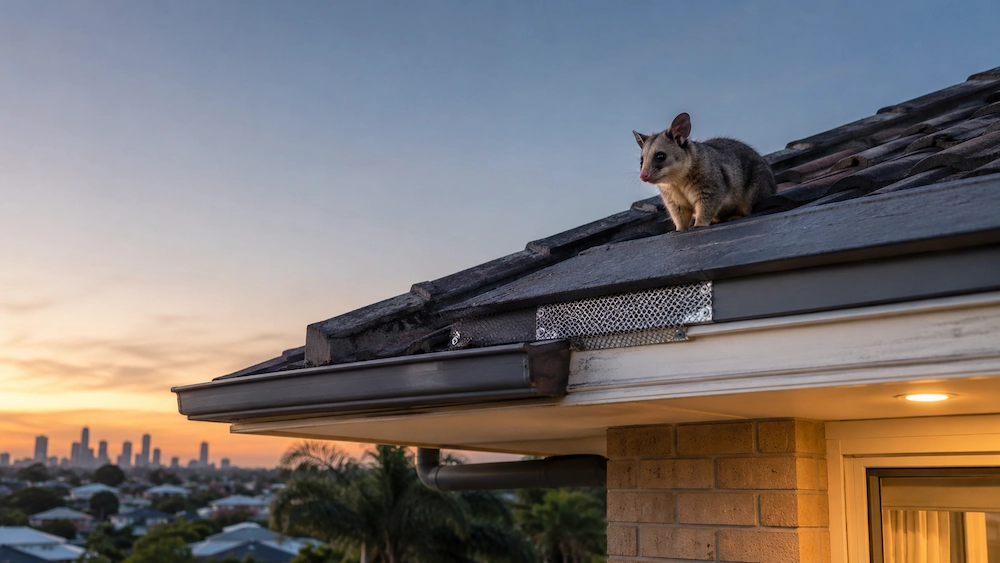
The most effective long-term solution is to prevent possums from entering your home. For eco-friendly and effective methods, explore how to possum-proof your property. This involves meticulously sealing all gaps, trimming branches, and securing outdoor food sources. To learn more about identifying entry points, check out where possums enter the house.
Cleaning Contaminated Areas
If possums have been living in your home, professional cleanup is essential. Always use protective gear when handling waste, but professional decontamination is highly recommended due to potential health risks.
Why DIY Removal is Not Recommended (and Illegal)
Attempting DIY possum removal is dangerous, often ineffective, and illegal. Possums are protected native animals; harming them or removing them without proper licensing is against the law. Professional intervention ensures safety, legality, and a lasting solution.
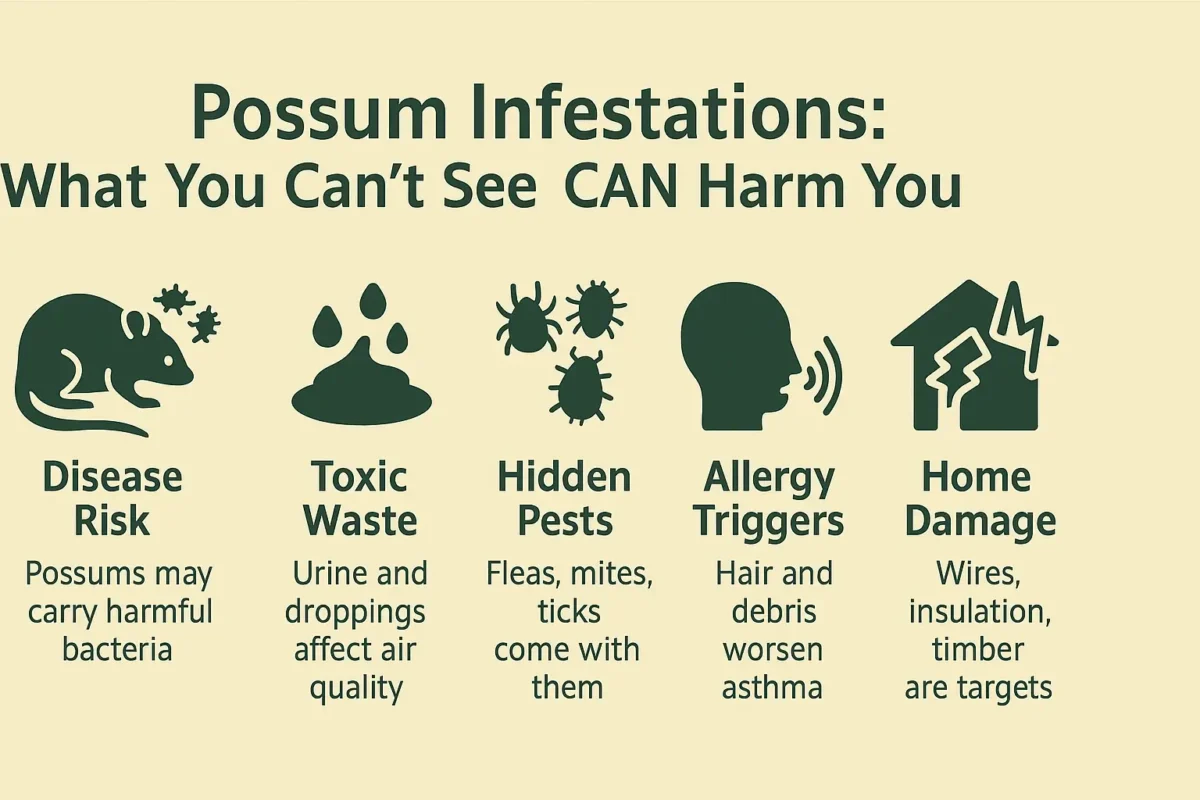
When to Call the Experts: Your Safe & Humane Solution
Dealing with a possum intrusion requires expert knowledge of their behavior, legal protections, and the significant health risks. Professional services are invaluable.
When you suspect a possum has taken residence, it’s time to call specialists like 1800possums.com.au. They provide a comprehensive, humane, and effective long-term solution. Their services include ethical removal, thorough property proofing, cleaning contaminated areas, and a reliable warranty for peace of mind. By choosing professionals, you invest in your home’s health, safety, and integrity.
The 1800 Possums Difference: Why Trust Us for Your Australian Home?
When it comes to protecting your home and family from the health risks of possum infestations, choosing the right experts makes all the difference. At 1800 possums, our commitment extends beyond mere removal; we provide a humane, comprehensive, and guaranteed solution specifically for Australian homes.
Our experienced team understands Australian wildlife regulations intimately, ensuring every possum is handled ethically and legally. With our focus on thorough proofing and a robust 2-year re-entry warranty, you gain lasting peace of mind and a truly possum-free home.
Take Back Your Peace of Mind: Act Now for Your Australian Property!
Don’t let the hidden dangers of a possum infestation compromise your family’s health or your home’s integrity any longer. The sooner you address the problem, the safer and healthier your living environment will be. If you’re hearing nocturnal noises or noticing signs of possum activity, it’s time to act decisively.
Contact us today for a professional inspection and a tailored solution designed to protect your Australian property and ensure your well-being. Your safe, possum-free home is just a call away!
Latest Articles