Why Do Possums Love Your House More Than the Bush?
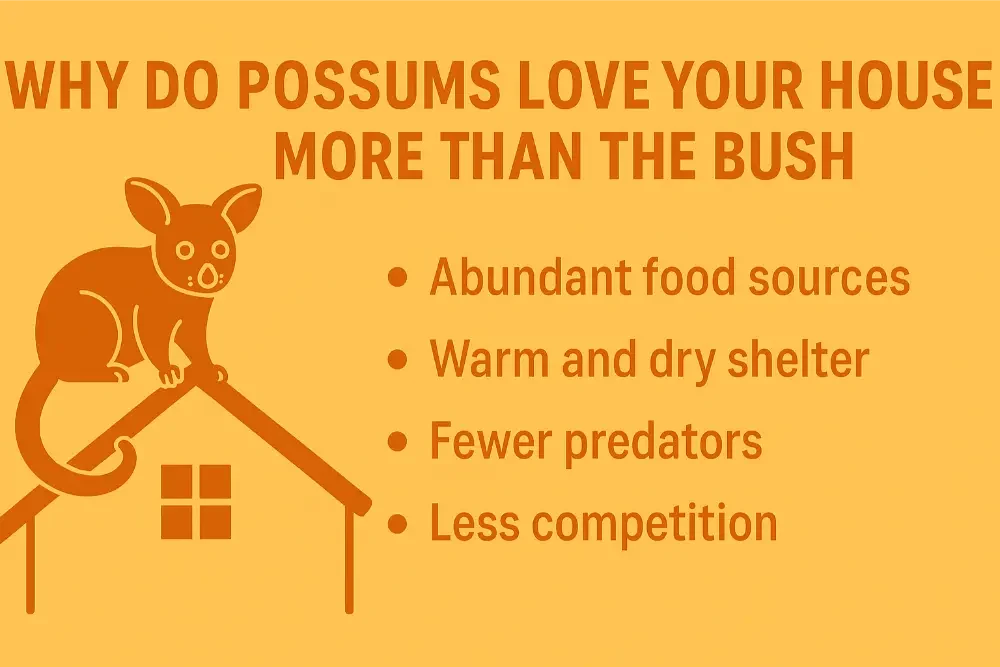
TL;DR: Possums move into homes because they offer easy food, warmth, and quiet shelter. Once inside, they can be noisy, destructive, and hard to remove without help.
Key Takeaways:
- Possums love roof cavities for warmth and safety.
- Food sources like fruit trees and bins keep them coming back.
- They leave scent trails that attract more possums.
- Sealing entry points and using licensed removal is essential.
They Aren’t Lost. They’re Invited.
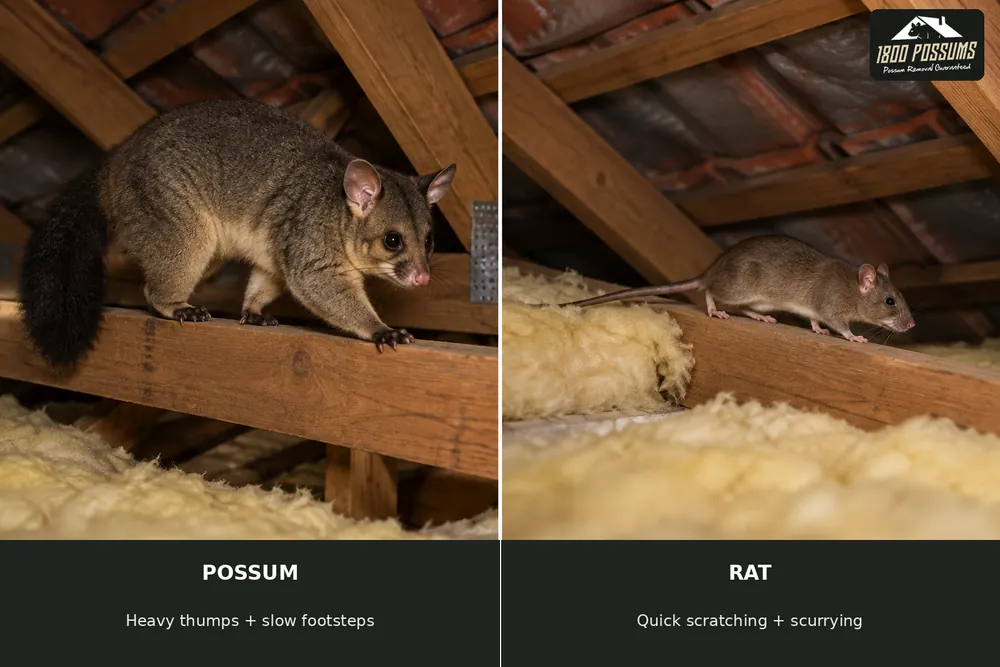
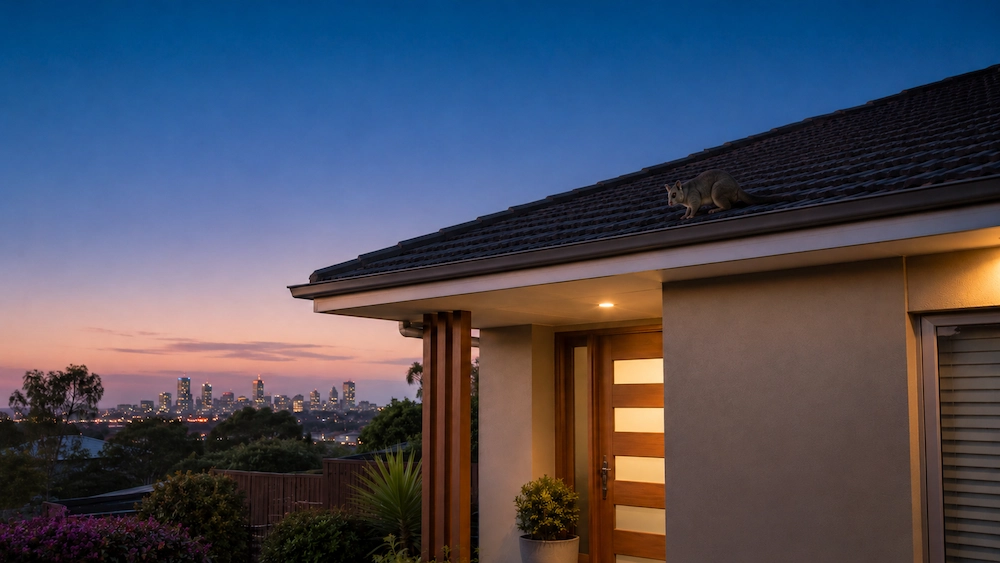
If you’re hearing thumps, scratching, or squealing in the ceiling at night, there’s a good chance a possum has moved in. These animals don’t stumble into homes by accident.
They’re drawn to places that offer warmth, safety, and easy access to food. Roof cavities make excellent shelters, especially during colder months or heavy rain.
Once possums discover your home meets their needs, they tend to stick around. So what exactly makes your house so appealing to them?
Your Roof Cavity Feels Like Home
Warm, Dry, and Hidden
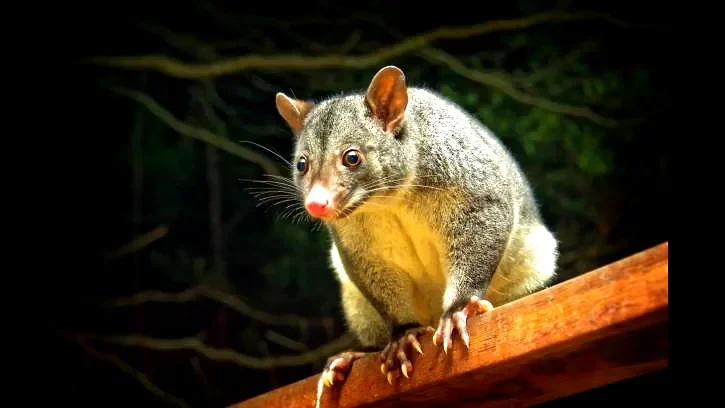
Possums are good at finding places where they can stay safe and comfortable. Roof cavities are high up and hard for predators to reach.
They offer warmth during the colder months and protection when it rains. It’s quiet, dry, and out of sight, which makes it a perfect spot for a possum to settle in and build a nest.
Easy Entry Points
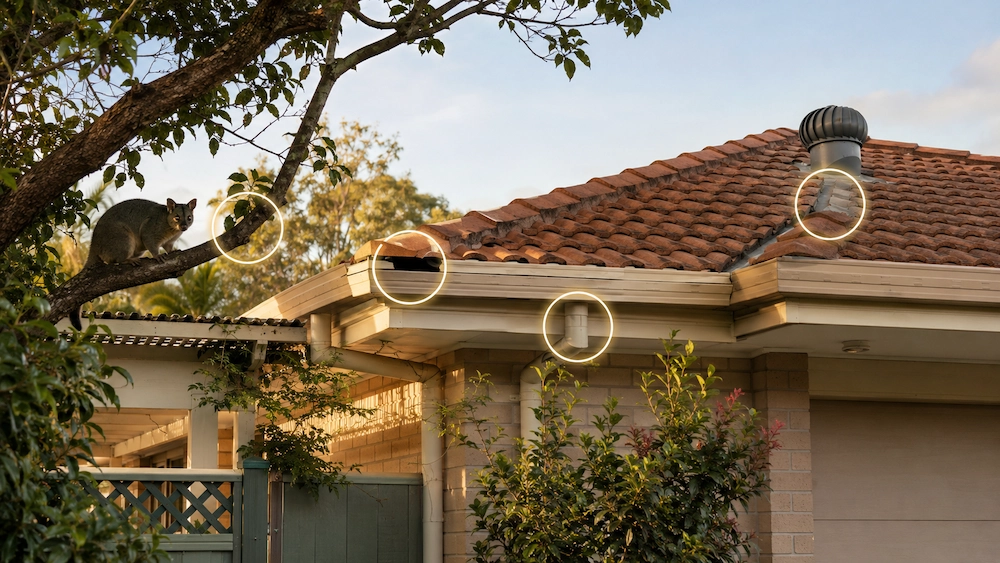
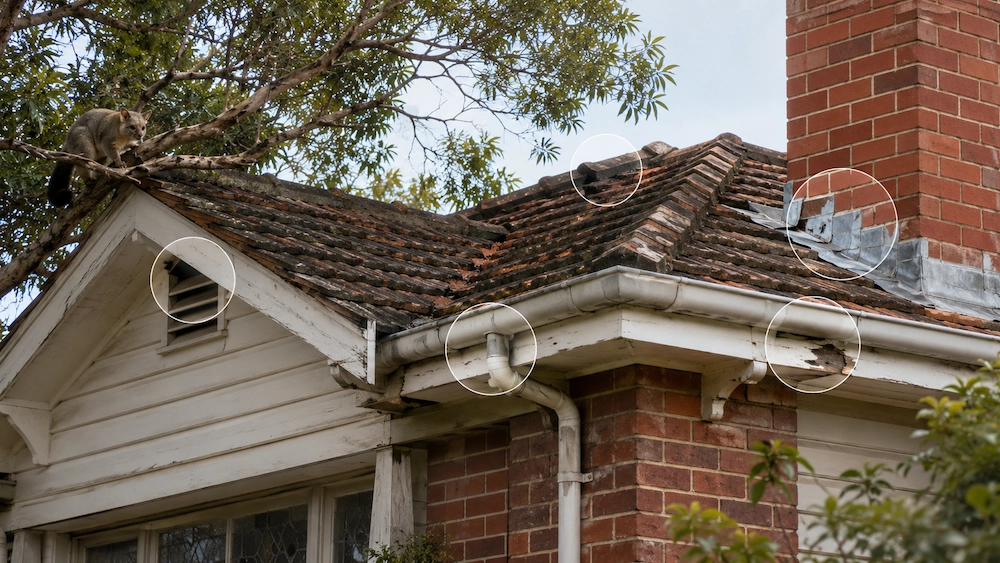
Many homes have small gaps in the roofline that often go unnoticed. These openings can occur in several places:
- Around eaves where the timber has shrunk or shifted
- Near roof vents or poorly sealed pipework
- Where roof tiles have cracked, moved, or are missing altogether
why possums come indoors? Possums only need a small gap to squeeze through. Once inside, they will explore your ceiling space, looking for quiet and dark areas.
They often tear into insulation to create a cosy nest and settle into areas where they won’t be disturbed.
For more detail on where possums typically enter and how to spot these openings, visit Where Do Possums Enter the House?.
Your Backyard Is a Buffet
Fruit Trees and Vegetable Gardens
Possums are opportunistic feeders that quickly learn where to find an easy meal. If your backyard offers a mix of food sources, it becomes especially appealing. They are often drawn to:
- Fruit trees with ripe or fallen produce
- Open compost bins with food scraps
- Vegetable gardens with leafy greens or root crops
- Pet bowls or leftover food left outside overnight
Once possums discover that your yard provides a regular food supply, they’ll make it part of their nightly routine and keep coming back.
Uncovered Bins or Compost
Leftover scraps and kitchen waste are a major attraction. Open bins and exposed compost heaps give off strong smells that possums can detect from a distance.
Even sealed bins can draw them in if the lid isn’t tight or if food remnants are left around the edges. To a possum, your bin might look like a nightly buffet.
Light and Noise Aren’t a Problem
They’re More Urban Than You Think
Many people still imagine possums living in tree hollows or dense bushland, but that’s no longer the full story. Urban possums have adjusted well to city life. They’re comfortable navigating rooftops, powerlines, and backyards.
They aren’t put off by human activity either. Traffic noise, lights, and even the sound of a TV inside the house no longer scare them away.
Night Owls With Street Smarts
Possums are most active at night when the streets are quieter and people are asleep. They take advantage of the dark hours to move about unnoticed. Agile and cautious, they climb fences, scale trees, and walk along gutters to find food and shelter.
Their ability to adapt and move quietly makes it hard to know when they’re around until they’ve already made themselves at home.
Pet Doors and Garages: Easy Access Points
Accidental Open Invitations
Garages left open overnight, pet doors without secure covers, and windows that don’t close properly are often overlooked but provide simple ways for possums to get inside. These small gaps or open spaces can be just enough for a curious possum to explore.
Once it finds an easy way in, especially if food or warmth is nearby, it will likely treat your home as a reliable shelter and return again and again.
Possums Are Territorial
Once In, They Stake a Claim
Possums aren’t just passing through when they move into your roof. Once they find a space that offers comfort and safety, they settle in and treat it as their own.
When more than one possum tries to claim the same area, the situation can quickly escalate. You might notice:
- Loud hissing or growling sounds during the night
- Scratching and scuffling noises in the ceiling
- Occasional thumps as they chase or confront each other
These territorial behaviours make removal more difficult, especially if the animals have been there for a while and consider it their permanent shelter.
They Mark Their Spot
Possums use scent to communicate and establish their turf. They leave trails of scent by rubbing their body or secreting oils, and these signals tell other possums the space is taken.
If a possum is removed but the area is not thoroughly cleaned or sealed, the scent remains. This can attract new possums looking for a place to settle, starting the cycle all over again.
Deterrents That Actually Work
Stop Rolling Out the Red Carpet
The first step to deterring possums is removing what draws them in. These animals follow food, shelter, and easy access. You can reduce their interest in your property by making a few simple changes:
- Trim back overhanging trees to prevent possums from climbing onto your roof from nearby branches.
- Remove food sources such as pet bowls, fallen fruit, or leftovers left outside overnight.
- Secure compost and rubbish bins with tight-fitting lids to block smells and access.
These steps may seem small, but together they remove the everyday conveniences that keep possums coming back.
Possum-Proofing the Roof
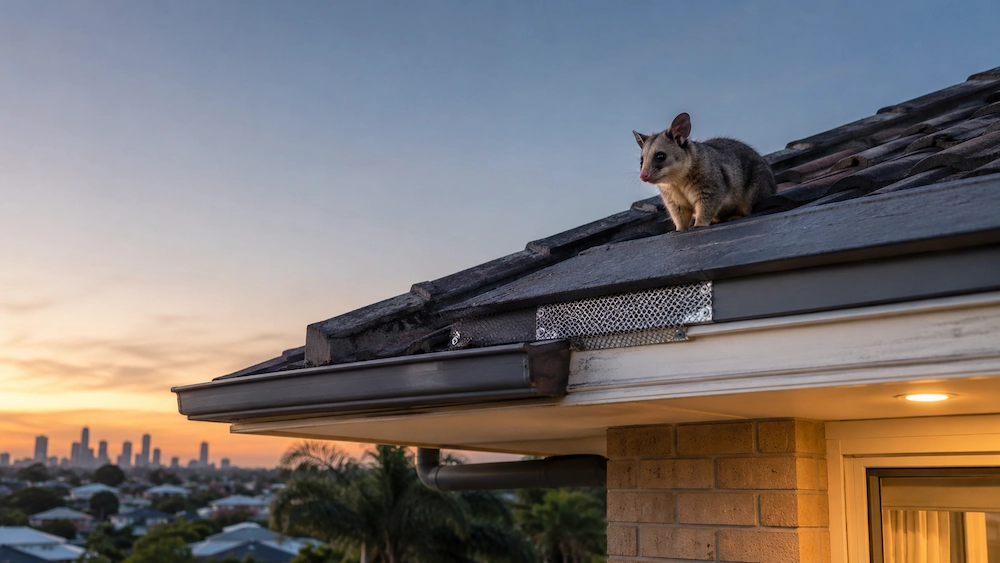
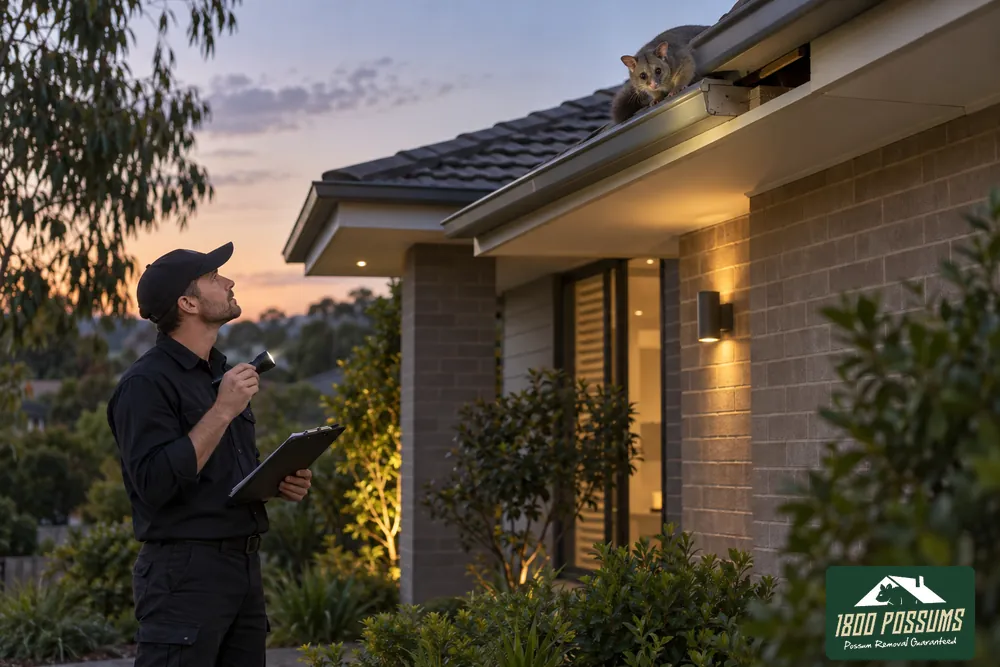
A common way possums get inside is through broken tiles, gaps in the eaves, or loose vents. A professional possum deterrent service can inspect the entire roof and spot entry points that might go unnoticed.
Once found, they seal these areas properly with durable materials to keep possums from getting back in. Possum-proofing isn’t just about removal; it’s about making sure your home stays secure well into the future.
Humane Removal Is Critical
Possums are a protected species under Australian law. You can’t remove or relocate them without proper licensing. Harmful traps or DIY removal attempts can lead to fines or injure the animal.
Instead, a trained and licensed possum handler can remove the animal safely and legally, then release it within a suitable range of your property as required by regulation.
Professional services ensure the process is done right, without causing unnecessary stress or harm to the animal. If the possum is injured or acting aggressively, extra care is needed. These situations should always be handled by trained experts.
To learn more about how to manage aggressive or injured possums, especially in urban areas like Melbourne, read our guide: Dealing with Aggressive or Injured Possums.
Why Choose 1800possums?
At 1800possums, we understand that having a possum in your roof isn’t just an inconvenience. It affects your sleep, comfort, and peace of mind.
For over 15 years, we’ve been helping Australian homeowners protect their properties with reliable and humane possum deterrent solutions.
Here’s what makes our team trusted by households across the country:
- Fully licensed professionals with extensive experience in possum removal
- Eco-friendly and legally compliant removal techniques
- Comprehensive inspections and customised possum-proofing for long-term results
- Local expertise in identifying the behaviour and movement of urban possums
Read more about our approach to possum deterrents here.
Don’t Wait Until Your Ceiling Smells Like a Zoo
Possums aren’t just a nuisance. Their droppings, urine, and constant scratching can cause serious property damage and sleepless nights. If you suspect a possum is living in your roof, don’t leave it to chance. Book a Possum Inspection Today Fast, friendly, and guaranteed possum-proofing. Protect your home. Sleep better. Keep wildlife where it belongs.
Latest Articles