What’s Keeping You Up at Night? Possum vs. Rat vs. Bird Sounds Explained
TL;DR: Those mysterious thumps, scurries, or chirps in your roof at night are most often possums (heavy, vocal), rats (light, gnawing), or birds (daytime chirps, flapping); identifying the specific sound is key to a safe, effective, and often professional, solution.
Key Takeaways:
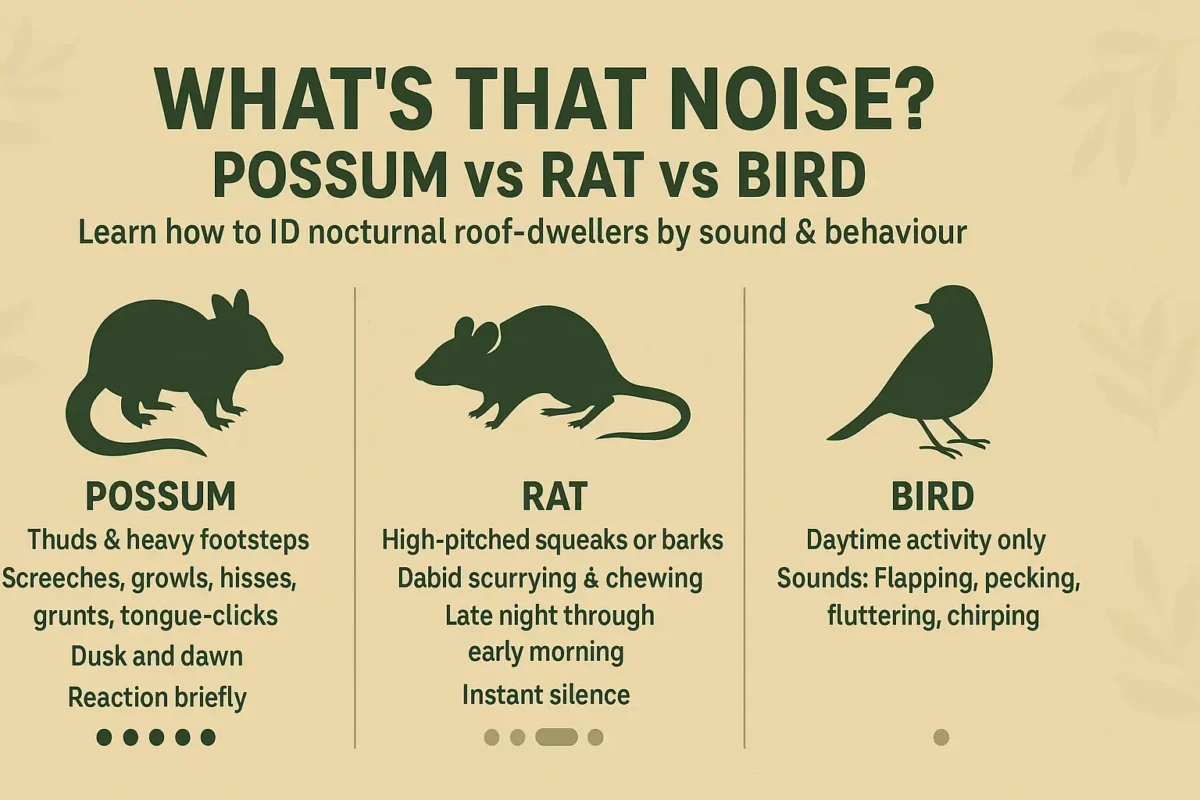
- Possums in your roof typically make heavy thudding sounds, loud scratches, and distinct growls or hisses, indicating a larger, deliberate movement.
- Rats produce light, rapid scurrying noises often accompanied by persistent gnawing on various materials, along with occasional high-pitched squeaks.
- Birds usually cause sounds like chirping, cooing, or flapping, primarily during daylight hours, often associated with nesting activity.
- Accurate identification of the animal causing noises in your roof at night is crucial, as protected species like possums require humane and legal handling, and professional assistance is often the safest and most effective way to remove and prevent future infestations.
Are mysterious thumps, scratches, or scurries keeping you up at night? For many homeowners, unexplained noises in the roof at night are a common, and often unsettling, occurrence. It’s a natural reaction to wonder what unseen creature has decided to make your ceiling its nocturnal playground. While the sounds can range from faint rustling to significant thudding, identifying the culprit is the crucial first step to restoring peace to your home.
This article will help you become an expert eavesdropper, distinguishing between the distinct possum sounds, rat sounds, and bird sounds that might be echoing above your head. By understanding their unique vocalizations and behaviours, you’ll be better equipped to tackle the problem effectively and humanely.
Why Unwanted Roof Guests Demand Your Attention
Those unsettling noises in your roof at night are more than just an annoyance; they signal potential problems that could impact your home and your health. Ignoring persistent roof noises can lead to significant and costly damage. Rodents, for instance, are notorious for gnawing through electrical wires, posing a serious fire hazard.
They can also chew through plumbing, insulation, and even structural timber, compromising your home’s integrity and driving up energy bills. Possums, while less inclined to chew wires, can still compact and soil insulation with their droppings and urine, leading to unpleasant odours and reduced thermal efficiency.
Beyond property damage, these nocturnal visitors can also pose health risks. Rats and mice are known carriers of various diseases, which can be transmitted through their droppings, urine, or bites. Possums, while generally not disease carriers to humans, can still introduce fleas and ticks into your living space. Early identification and action are paramount not only for protecting your property from expensive repairs but also for safeguarding the well-being of your family.
Furthermore, in many regions, possums are protected native animals, meaning any intervention must be carried out humanely and legally. Understanding who’s making those noises in your roof at night is the first step toward a safe, legal, and effective resolution.
Decoding the Sounds: Possum vs. Rat vs. Bird
Every creature has its unique acoustic signature, and by tuning in carefully, you can often pinpoint who’s causing those noises in your roof at night. Let’s break down the common sounds and behaviours of the most frequent roof invaders.
The Nocturnal Acrobat: Possums
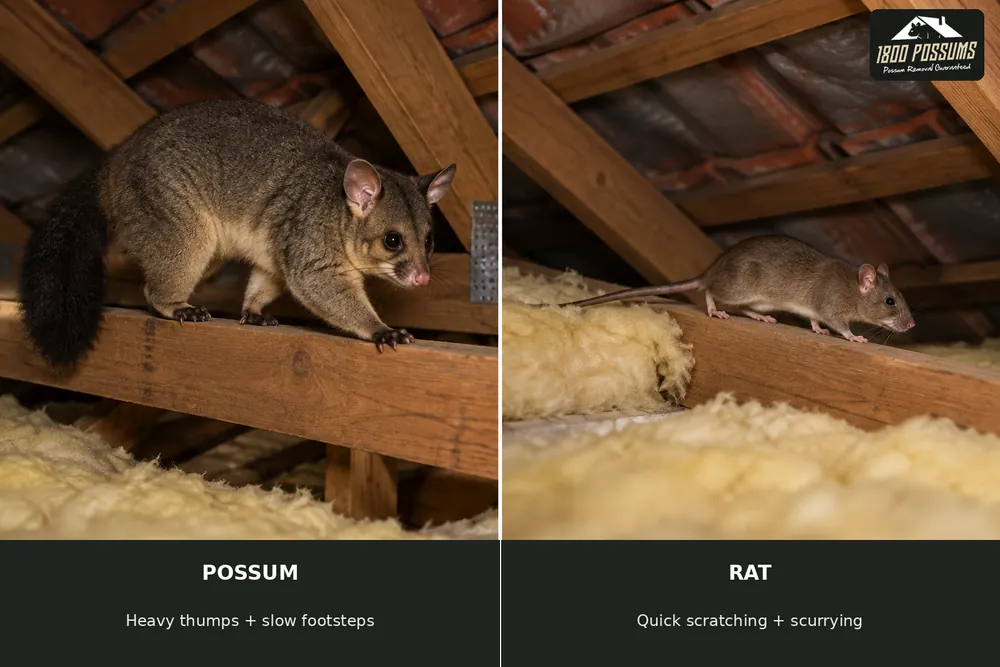
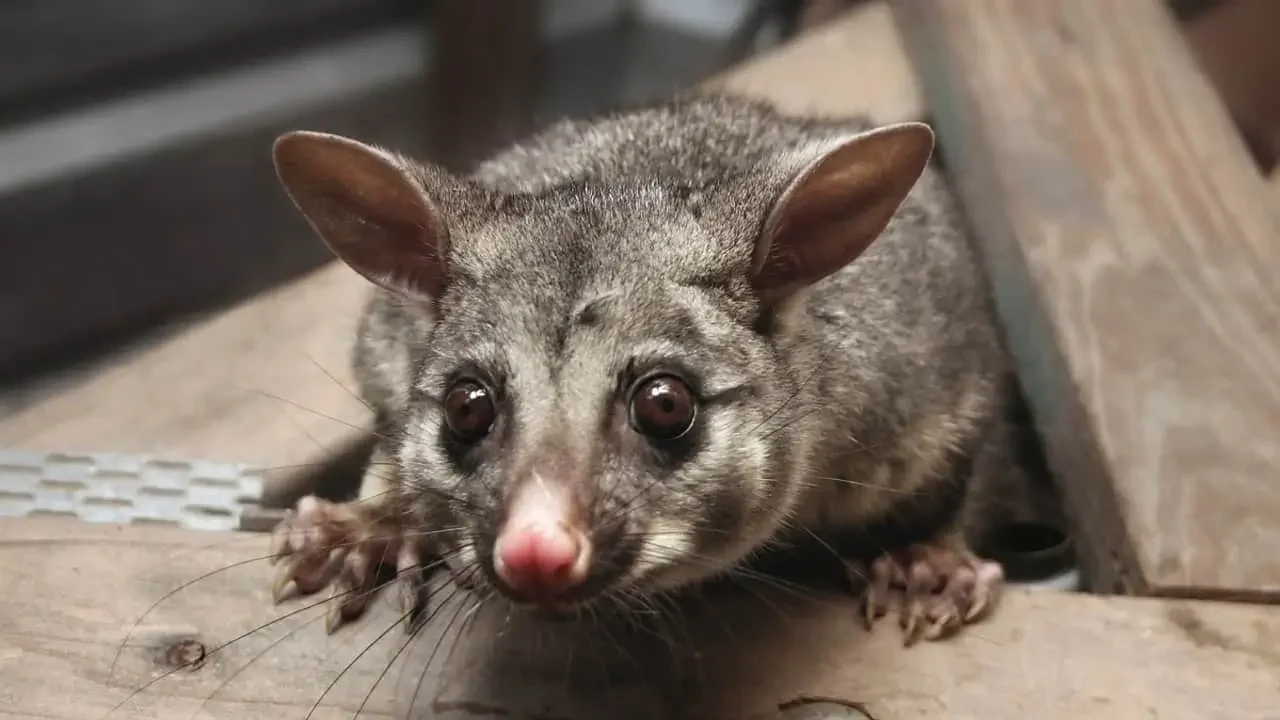
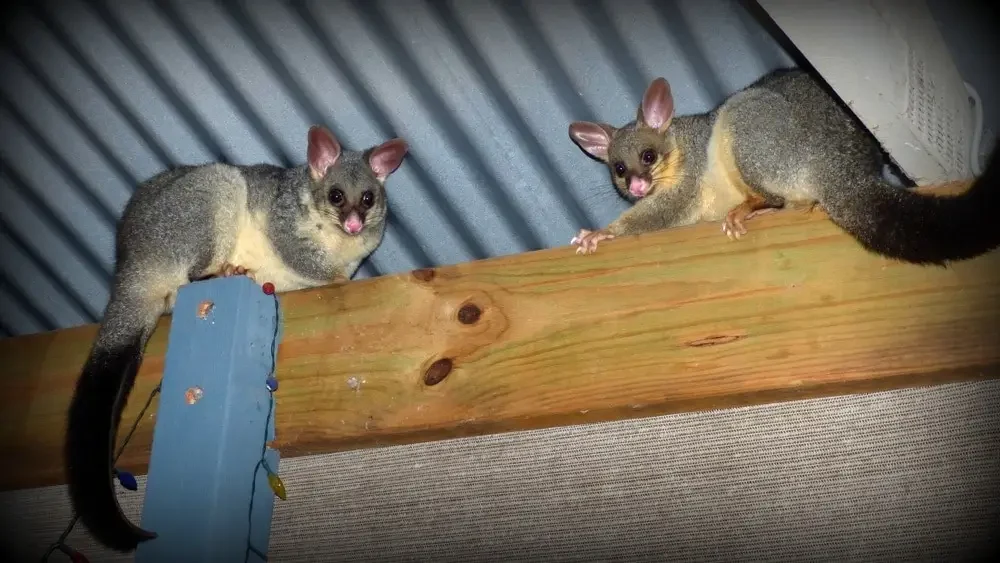
If the noises in your roof at night sound like something relatively large and heavy is moving around, often with a deliberate, slow pace, you’re likely hearing a possum.
- Heavy Thudding/Walking: This is the most tell-tale sign. Possums are much larger than rats, and their footsteps will sound like heavy, deliberate thuds or slow walks, almost as if a small person is pacing above you. You might hear them walking across joists or even jumping from one section of the roof cavity to another.
- Loud Scratches: These aren’t the light, frantic scratches of a rodent. Possum scratching tends to be deeper, more rhythmic, and often heard as they try to squeeze through tight spaces or move insulation.
- Growls, Hisses, Chattering: Possums are quite vocal, especially when startled or defending their territory. You might hear their distinct guttural growls, sharp hisses, or even a chattering sound if they’re agitated. These possum sounds are a strong indicator of their presence.
- Rustling: As they move through insulation, you’ll hear significant rustling, much more pronounced than what a small rodent would make.
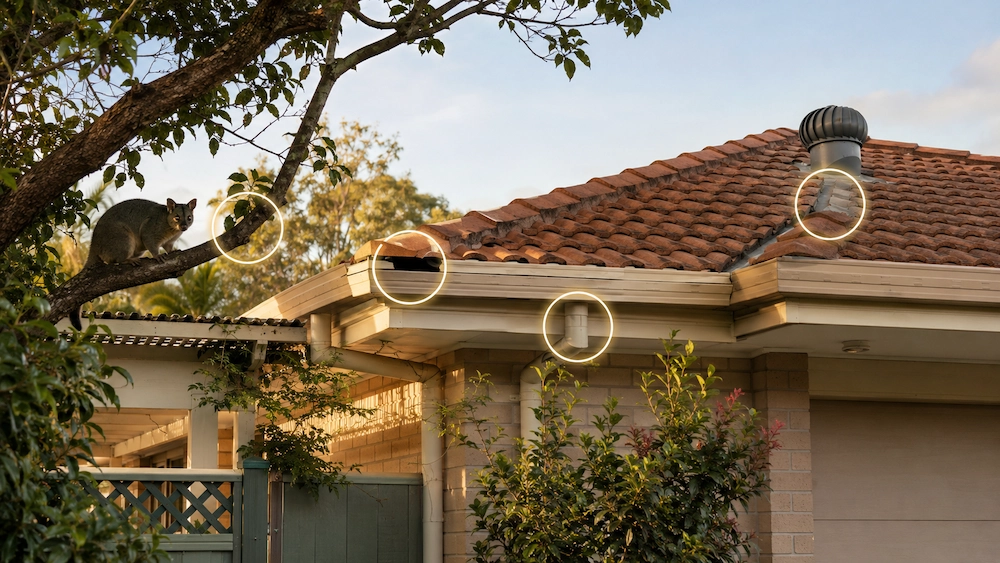
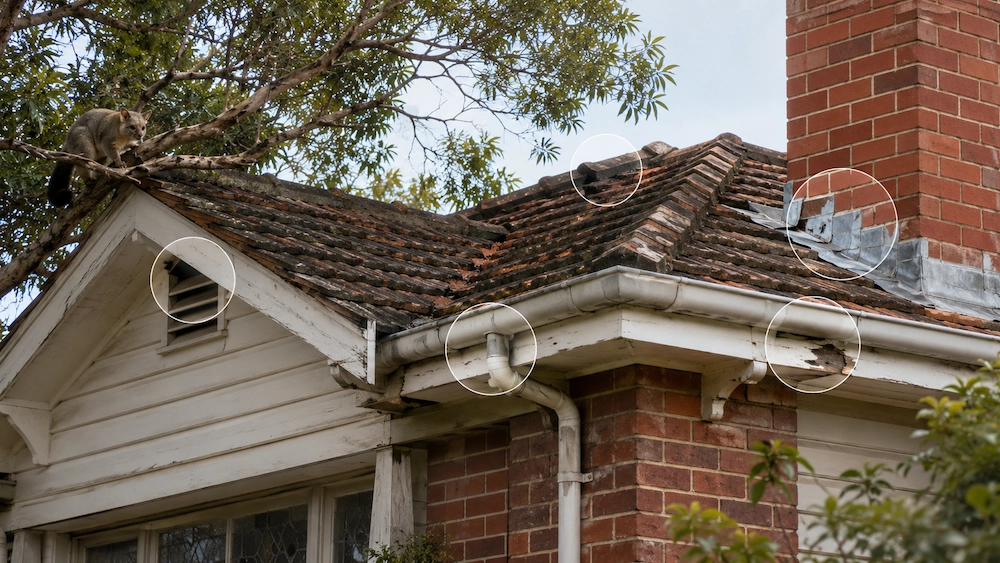
Behavioural Cues: Possums are strictly nocturnal, so their sounds will typically begin shortly after dusk and cease before dawn. You might notice them entering or exiting your roof cavity around these times. For a detailed guide on identifying entry points, check our definitive guide.
Other Evidence: Keep an eye out for large, dark, rice-grain shaped droppings, which are often found near entry points. A strong, musky odour can also indicate a possum’s long-term presence. Sometimes, you might see evidence of chewed timber around their entry points. For more comprehensive information on common signs of a possum infestation in your home, refer to our dedicated resource. If you consistently hear heavy, deliberate noises in your roof at night, especially accompanied by growls or hisses, a possum is the most probable suspect.
The Skittering Scavenger: Rats
When the noises in your roof at night are light, fast, and accompanied by persistent gnawing, you’re likely dealing with rats. In Australia, the common culprits are the Roof Rat (often found in roof spaces) and the Norway Rat.
- Light, Rapid Scurrying/Pitter-Patter: Unlike the possum’s heavy thud, rat footsteps are light, quick, and often sound like rapid scurrying. You’ll hear them running swiftly along beams or across ceilings. They are incredibly agile and can move quickly through confined spaces.
- Gnawing/Chewing: This is a definitive rat sound. Rats constantly gnaw to keep their ever-growing incisors in check. You’ll hear distinct scratching or grinding sounds as they chew on wood, plastic pipes, electrical wires, or anything else in their path. This persistent gnawing can be heard at various intervals throughout the night.
- High-pitched Squeaks: While less common than scurrying or gnawing, rats can emit high-pitched squeaks, especially young rats or during disputes.
- Rustling: As they move through insulation or stored items, you’ll hear light rustling, typically less impactful than a possum’s movement.
Behavioural Cues: Rats are also nocturnal, but their activity might be more consistent throughout the night. They are highly exploratory and social, so you might hear sounds from multiple areas of your roof cavity.
Other Evidence: Look for small, dark, pellet-shaped droppings (similar to a grain of rice but smaller and often pointed). Greasy rub marks along beams or walls from their oily fur can indicate frequently used paths. Actual gnaw marks on timber, plastic, or wires are a clear sign. A strong, stale urine odour, often described as ammonia-like, is also a common indicator of a rat infestation. If those noises in your roof at night are quick, light, and punctuated by gnawing, it’s highly probable you have rats.
The Daytime Dwellers (Who Sometimes Get Stuck): Birds
While birds are primarily active during the day, their presence in your roof can also lead to noises in your roof at night, especially at dawn or dusk, or if they’re disoriented.
- Chirping/Coos/Vocalisations: These bird sounds are typically heard during the day, particularly in the early morning or late evening as they settle into or leave their nests. You might hear constant chirping from young birds.
- Flapping/Rustling: You’ll hear distinct flapping sounds as they enter or exit their nests, or move around within the confined space. This is often accompanied by rustling as they gather or arrange nesting materials.
- Light Scratching: As they build nests or move materials, you might hear light scratching sounds.
Behavioural Cues: Unlike possums and rats, birds are generally active during daylight hours. If the noises in your roof are primarily heard during the day, or are more avian-like chirps and flapping, it points towards birds. They often enter through specific, visible entry points like broken roof tiles, gaps in vents, or open eaves.
Other Evidence: The most obvious signs are nesting materials (twigs, leaves, feathers) protruding from gaps or vents, or actual nests visible if you can safely access the roof cavity. You might also find feathers and droppings concentrated near their entry/exit points. While less damaging than possums or rats, birds can still block vents and gutters with nesting materials, leading to water damage.
What to Do Next: From Identification to Resolution
Once you have a better idea of who’s causing the noises in your roof at night, the next step is crucial. While it might be tempting to try a DIY approach, it’s generally not recommended, particularly for possums and significant rat infestations.
- Possums: In many regions, possums are protected native animals. It is often illegal to trap, harm, or kill them without proper licensing. Even if you manage to trap one, relocation can be ineffective and harmful to the animal. DIY possum removal can cause significant stress to the animal and result in legal penalties.
- Rats: While not protected, rats are incredibly resilient and breed rapidly. Incorrect baiting can lead to secondary poisoning of pets or wildlife, or simply make the problem worse by dispersing the rats. Professional pest control ensures effective eradication and prevents future infestations.
- Safety Risks: Attempting to access roof cavities or work on roofs yourself can be dangerous, leading to falls or injury, especially if you’re not equipped with the right safety gear. There’s also the risk of exposure to animal droppings, parasites, or even aggressive animals.
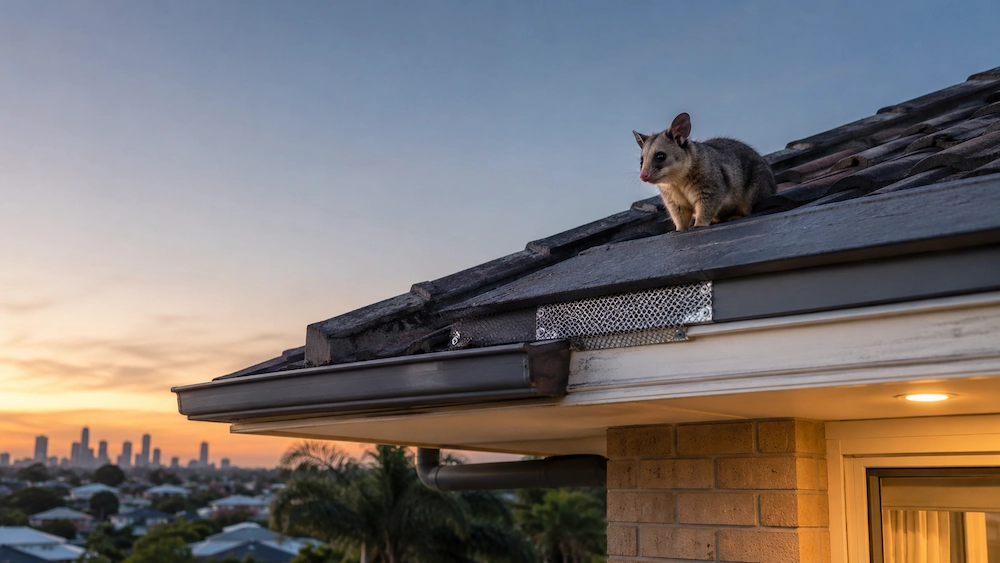
Choosing professional help ensures safety, legality, and, most importantly, a lasting solution. Experts have the knowledge, equipment, and experience to handle these situations humanely and effectively, guaranteeing that your home remains free from unwanted guests. For insights into long-term prevention, explore methods to possum-proof your property with eco-friendly solutions that truly work.
Your Trusted Partner in Peace of Mind
At 1800 Possums, we understand how distressing and disruptive noises in roof at night can be. We are dedicated to providing Australia’s most reliable, humane, and guaranteed solutions for possum, rat, and bird removal. Our team of experienced, licensed technicians uses only the safest and most effective methods, including ethical one-way doors for possums and targeted strategies for rodents, ensuring no harm comes to the animals or your family.
We pride ourselves on transparent, fixed-price quotes and our industry-leading 2-year money-back guarantee for possum re-entry and 6-month warranty for rodents, giving you complete peace of mind that your home will remain quiet and secure long after we’ve left.
Reclaim Your Quiet Home Tonight
Don’t let those unsettling noises in your roof at night continue to disrupt your sleep and threaten your home’s integrity. Identifying the source is the first step, but professional action is the key to a lasting solution. If you’re hearing what sounds like possum sounds, rat sounds, bird sounds, or any other mysterious roof noises, it’s time to act.
Contact the experts at 1800 Possums today for a free, no-obligation phone consultation and a fixed-price quote. Let us safely and effectively remove your unwelcome guests, seal their entry points, and guarantee your peace and quiet. Your peaceful night’s sleep is just a call away!
Latest Articles