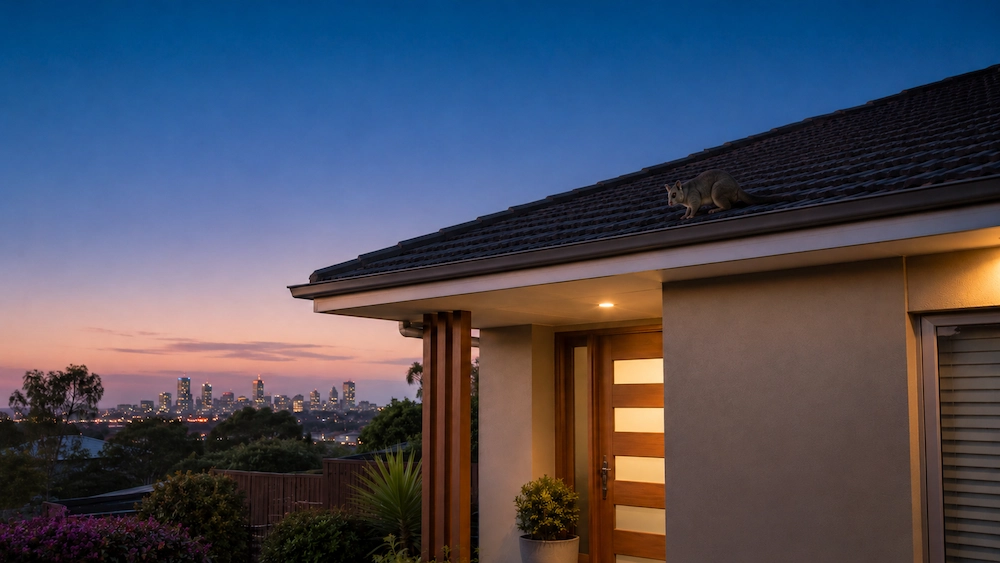
Is Your Roof a Possum Playground? The Mess They Leave Behind Might Shock You
TL;DR: Possums in the roof might seem like a minor annoyance, but they often cause serious property damage and health risks. From shredded insulation and chewed wiring to foul odours and disease exposure, the longer they stay, the more they cost. Professional removal is not just about eviction; it’s about prevention and protection.
Key Takeaways:
- Possum damage to roof structures includes insulation, wiring, and plasterboard
- Their waste and presence can trigger allergies and transmit diseases
- DIY fixes often fail and can even be illegal if relocation rules are broken
- Long-term solutions require licensed removal, sanitisation, and sealing
What Possums Really Do Up There (It’s Not Just Sleeping)
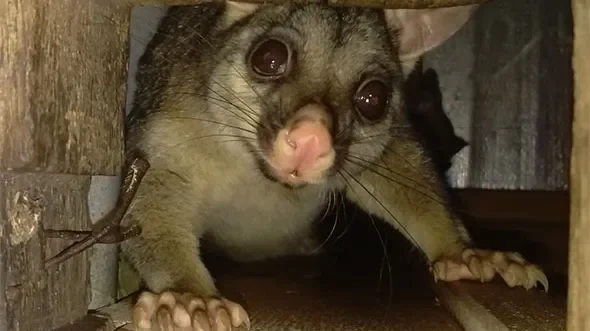
At first glance, possums may seem like harmless visitors. However, once they gain access to your roof space, they can quickly become a major problem. What begins as occasional movement soon turns into loud, disruptive behaviour and significant damage to your home.
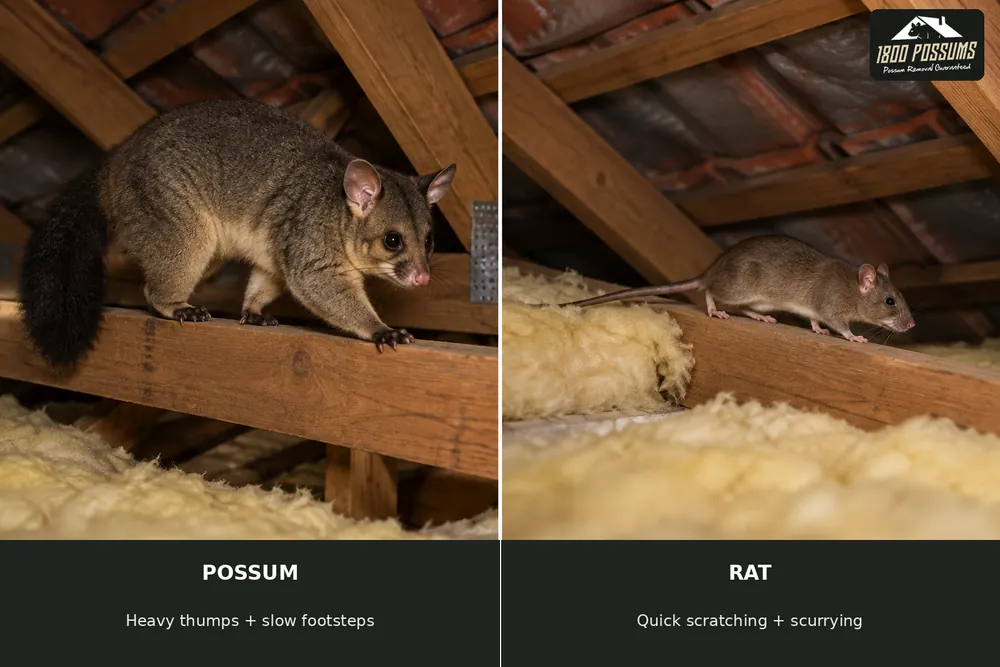
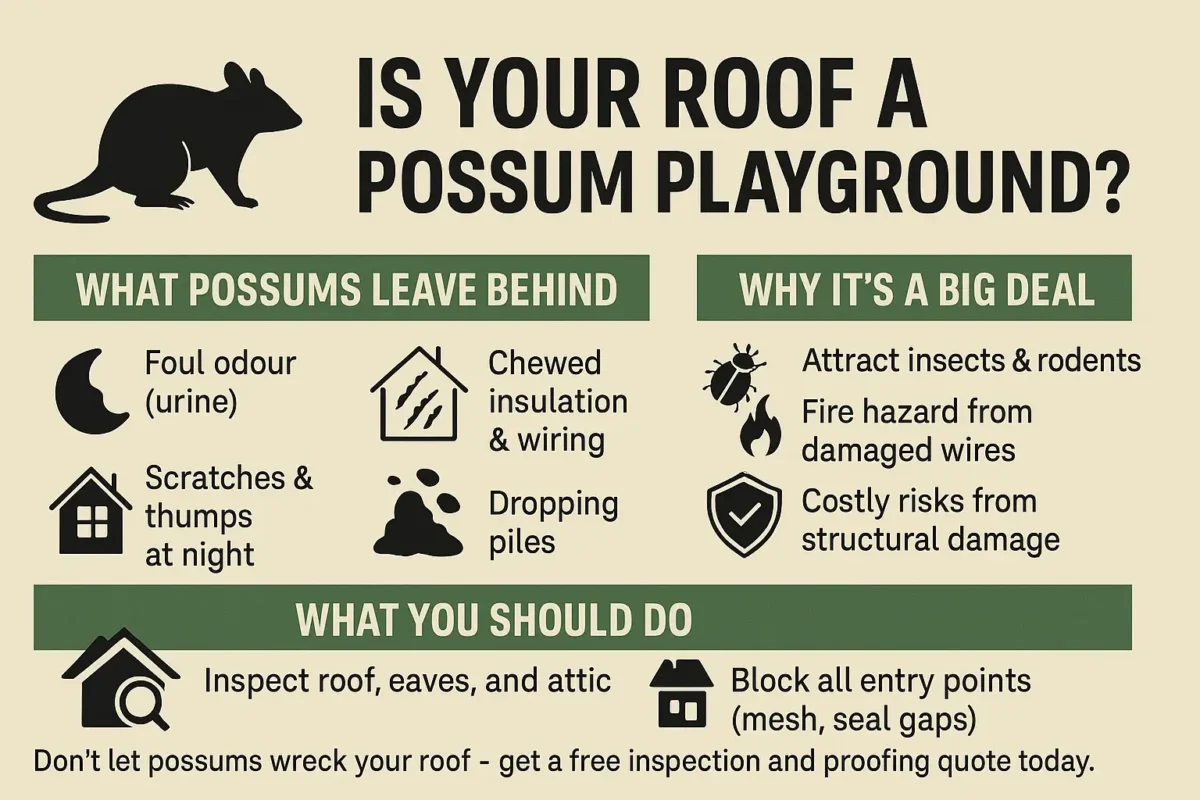
Your ceiling can turn into a nightly highway. Around 3 am, it is common to hear scratching, thumping, or screeching coming from above. This kind of disturbance does more than interrupt your rest. Over time, it can lead to structural damage and sanitation issues that require professional attention.
Entry Points: How Possums Get In (And Widen the Gap)
Gnawing Into Your Home
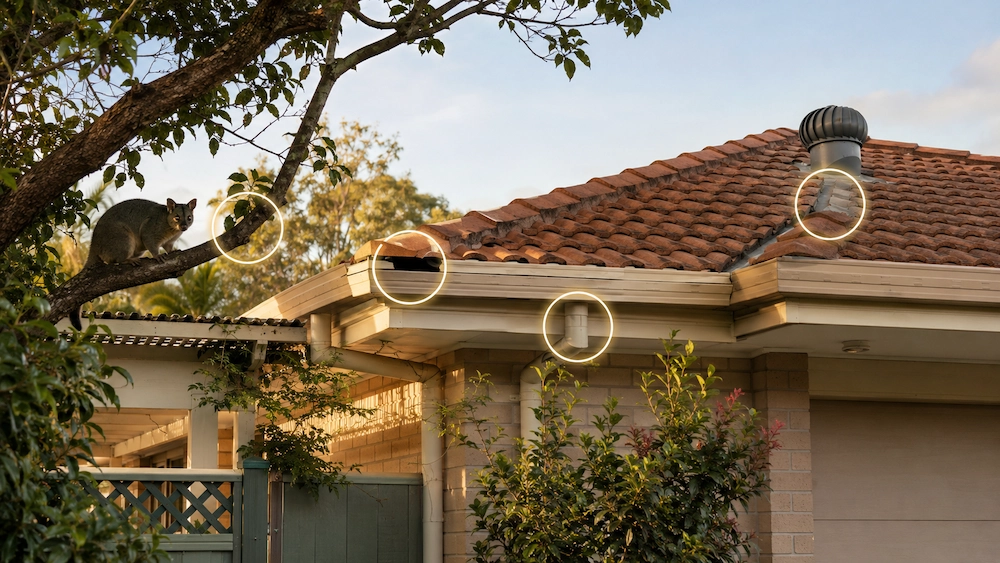
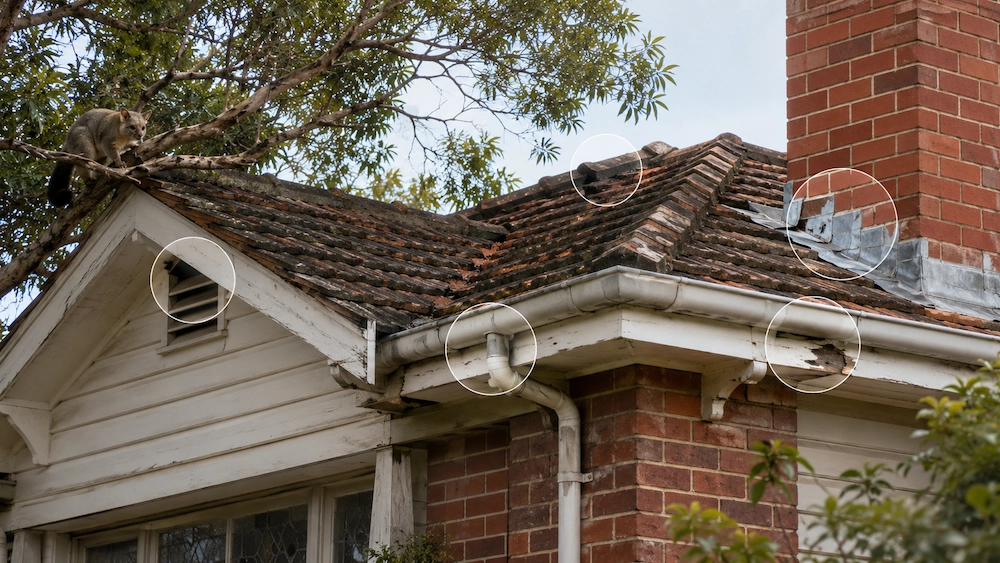
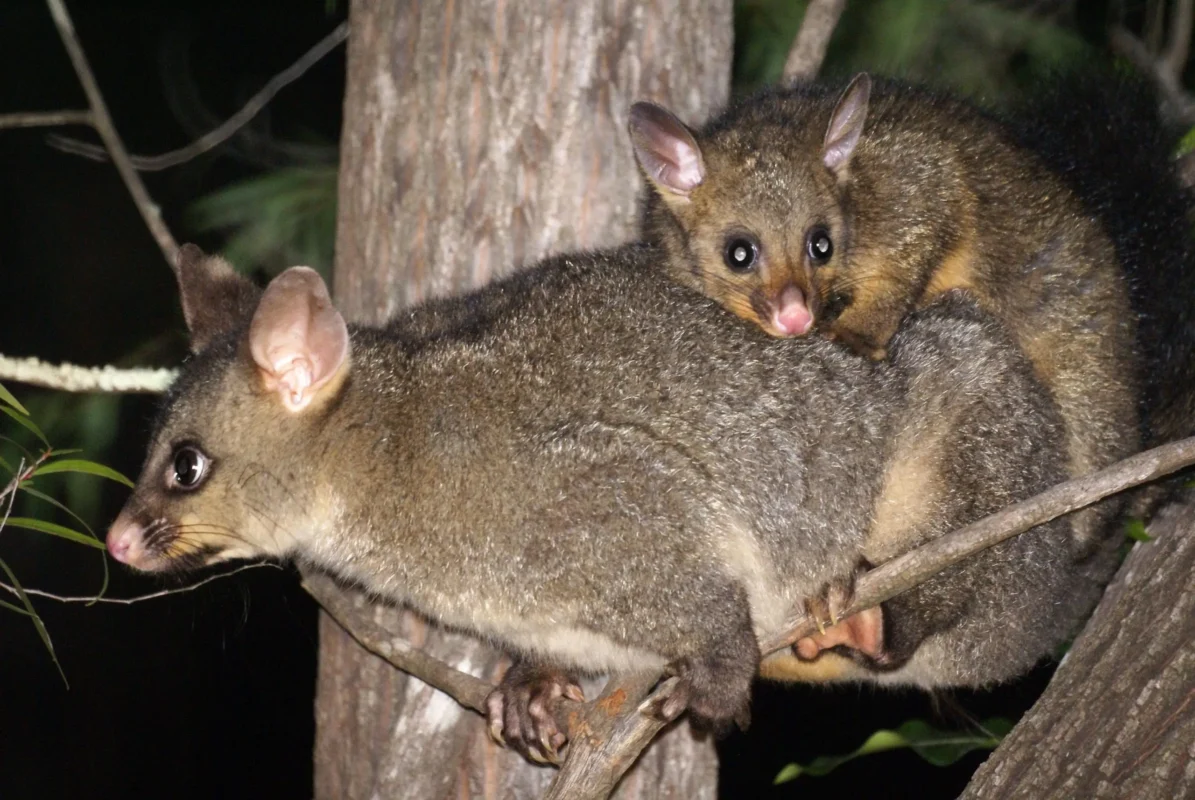
Possums are highly skilled climbers. They can reach your roof using trees, fences, or power lines. Once on top, they search for weak spots such as gaps near eaves, loose tiles, or open vents. These areas are easy for them to claw through.
After entering, they often enlarge the opening to make access easier. This not only lets more pests in but also exposes your home to drafts, water leaks, and gradual damage. Left unchecked, this activity can cause rotting timber, ruined insulation, and weakening of your ceiling.
For more detail on where possums commonly enter homes, 1800Possums has outlined key access points in this guide: Where Do Possums Enter the House? Your Definitive Guide to Identifying Entry Points.
Repeat Offenders
Possums are creatures of habit. Once they settle in, they tend to return. Simply blocking a hole is not enough. If the scent remains or if the barrier is not secure, they are likely to chew through again. Preventing their return requires both sealing the entry points and properly cleaning the affected areas.
What They Do Inside: Damage That Adds Up
Ruined Insulation
Possums often tear, flatten, and displace insulation as they create nesting sites in roof spaces. These disturbances reduce the insulation’s ability to regulate indoor temperature, which makes it more difficult to keep your home warm in winter and cool in summer. As a result, your heating and cooling systems must run more frequently to maintain comfort, increasing your household energy consumption and monthly utility costs.
Dangerous Wiring
Possums frequently chew on electrical wiring, mistaking it for twigs or nesting material. This behaviour can strip insulation from wires, increasing the risk of short circuits, power outages, or even fires. Homes in Melbourne and Brisbane are particularly affected by this issue, often without immediate signs of damage.
Stains and Smells
Possum waste builds up quickly in confined spaces. The odour becomes strong over time and can spread throughout the house. This is more than unpleasant—it poses a sanitation risk.
Possum waste can:
- Produce a persistent odour that lowers indoor air quality
- Stain ceilings and walls
- Soak into insulation and structural supports
- Corrode timber and metal components
These outcomes affect both hygiene and long-term livability.
Shifting the Structure
Possums are often active in roof spaces, especially during the night. As they travel back and forth, their weight and movement can gradually loosen roof tiles, shift insulation out of place, and put continuous strain on plasterboard ceilings. These physical disturbances can eventually result in noticeable sagging, recurring creaking sounds, and in more severe cases, partial collapse of ceiling sections if left unaddressed.
Health Risks Most Homeowners Overlook
Allergy Triggers
Possum waste releases airborne particles that can irritate the respiratory system. People with asthma or allergies are especially vulnerable. Once the waste dries, it can circulate throughout the home.
Key risks include:
- Triggering asthma or allergic responses
- Reducing air quality
- Causing persistent respiratory discomfort
Possum nests also attract pests like mites, fleas, and ticks. These pests can:
- Spread additional allergens
- Cause skin irritation or bites
- Carry bacteria or parasites
Disease Concerns
Though not common, possums can carry diseases that pose health risks to humans. These illnesses may be transmitted through direct contact with their urine, droppings, or nesting materials. Additionally, fine dust from a roof space inhabited by possums can become airborne and may be hazardous when inhaled, particularly in enclosed or poorly ventilated areas. Thorough cleaning and proper sealing of the affected space are necessary steps to reduce exposure and ensure a safe living environment.
For a deeper look into the health impacts of possum infestations, we have outlined the major risks in this article: The Hidden Dangers: Health Risks of Possum Infestations in Homes
DIY Isn’t Enough: Why Quick Fixes Fail
Patching Doesn’t Cut It
Many homeowners try to seal entry points with foam or mesh. While these may seem effective at first, they rarely hold up. Possums are strong and determined. If they can still smell their scent trail, they will likely return and force their way back in.
Common problems with basic repairs:
- Weak materials that cannot resist determined possums
- Incomplete sealing that leaves small gaps
- Unaddressed odours that attract animals back
Trapping Without Relocating is Illegal
Under Australian law, trapped possums must be released no more than 50 metres from where they were captured. If released nearby, they often return. If moved too far, the act becomes illegal.
To resolve the issue legally and effectively, the entry point must be sealed, the area cleaned to remove scent, and the animal released in line with regulations.
The Cost of Doing Nothing
Ignoring the problem might seem convenient, but the damage can quickly escalate. What starts as an occasional noise could lead to expensive repairs and ongoing disruptions. Over time, you may face:
- Roof and ceiling damage caused by gnawing and moisture
- Insulation replacement due to contamination
- Electrical repairs from chewed wiring
- Pest control for additional infestations
- Higher energy costs due to poor insulation
- Reduced property value from visible wear and hygiene issues
Insurance may not cover costs if the damage is considered preventable. This means homeowners are left responsible for the full expense.
Why Choose 1800Possums?
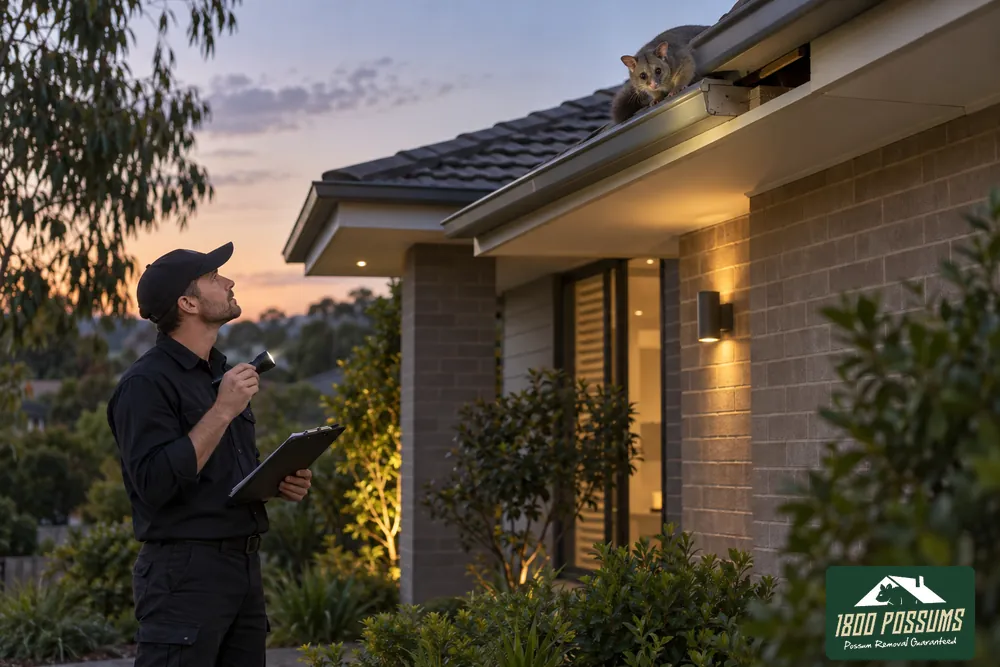
Our professional possum removal service is designed to solve the problem from the ground up. Whether you’re dealing with one persistent intruder or an entire family of possums, we offer targeted, humane solutions that work. At 1800Possums, we follow a clear, effective process:
- Initial roof inspection to identify entry points, nesting sites, and damage
- Legal and humane removal of possums in accordance with wildlife regulations
- Full sanitisation of contaminated areas to remove scents and waste
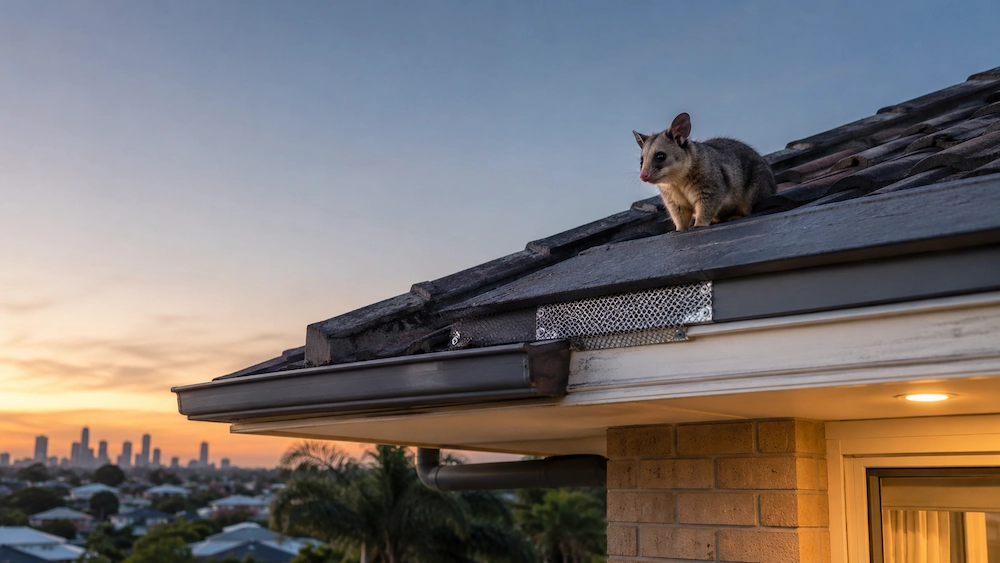
- Permanent sealing of all roof access points using durable materials
Our approach ensures that possums are not only removed but also prevented from returning, saving you from repeat issues and added costs. Each service is backed by a 2-year money-back guarantee, giving you added confidence in the work we do.
Don’t Wait for Your Ceiling to Collapse
Have you been hearing unusual noises at night or found droppings and visible damage near your roof? Addressing the issue early can help you avoid costly repairs, prevent health hazards, and restore peace of mind in your home.
Contact 1800Possums today or schedule an inspection through our website.
Latest Articles